31. December 2024
My Badlands
I think I’m coming down with a flu as I write this. My throat feels strange, my sinuses are clogged, and I feel completely drained.
He lay in his bed as if he were lounging on a sofa, holding a remote control and flipping through TV channels. He smiled at me as though nothing was particularly wrong. Yet, a shiver ran down my spine when I saw in which state he was in. We hadn’t seen each other in over six months, and his health had deteriorated rapidly since my brother passed away two years ago. He tried to sit up and reached out his hand to greet me. I gave him a hug instead and intuitively started a casual conversation.
At one point, he asked why he was in the hospital. He said he felt perfectly fine and wanted to go home even though he hadn’t eaten in over a week. “It’s just some issue with my stomach. It will pass,” he said. My father had always been a big eater who loved hearty, savory European food. As long as his plate had a large piece of meat and some fried potatoes, he was happy. His body once reflected that. But not anymore. His emaciated frame now depended entirely on nutrients delivered through a tube connected to a plastic bag hanging from a pole.
Despite this, his spirits were high. We talked politics – his passion, given his career as a former journalist. We even played backgammon, though he accused me of cheating and insisted I didn’t know the rules as well as he did. His memory had clearly started to decline. We laughed about stories from the past. Still, there were moments when he would suddenly say he’d had enough and wanted to go home. He mentioned having things to take care of, though he couldn’t recall exactly what.
After two days, I left. Our farewell was uncomplicated, as if we’d planned to see each other the next day. But I was heading home – 600 kilometers away. The doctor had told me he wouldn’t make it to Christmas.
After I left the hospital, I kept questioning whether that was the right way to say goodbye. My father had ignored the doctors’ diagnosis and genuinely believed it was just a minor stomach issue, that he’d be home soon – maybe even that afternoon. So, how do you say goodbye to someone you know you’ll never see again without making them wonder why you’re making such a big deal of it? I chose to say, “See you later.” And that’s exactly what I did. It took no more than a minute, and I was out the door. No sad face, no final words, no long hug – nothing that would make him question why I was acting differently than usual. I think he knew, though.
Maybe we were both playing the same game.
The next day, his state of being declined swiftly, and he was moved to palliative care. Did my goodbye have anything to do with it? Was it some inexplicable signal for him to let go? I don’t know. In a way, I hoped so. It would mean my visit mattered to him even though our relationship hadn’t been great. There had always been gaps in our relationship – sometimes months, sometimes years. Occasional calls, then maybe a visit, which usually didn’t end well.
Somehow this farewell didn’t feel right. I called his wife and asked her to tell him that I’d return in a few days. I didn't want to regret something I couldn't undo later. So I returned the following Saturday.
I entered his room. His eyes snapped open when he heard my voice, then immediately closed again. Was that a sign of some sort? I don’t know. What kind of sign was I expecting? I don’t know that either. Maybe it was the sound of my voice. I was told that when all other bodily functions fail, hearing is the last to go. His body had frozen. His eyes had lost any magic of life and a machine helped him breathe. I talked to him, feeling estranged by the uncertainty of whether he could hear or even understand what I was saying. All I recall saying was that I’d play some Bob Dylan for him the next day. Bob Dylan was his favorite musician.
That night he died.
What now?
I had to stay focused.
I had a schedule I couldn’t postpone.
Thoughts barraged my mind: What should I do? There was nothing left to change. No bedside to sit next to, no one to talk to or watch over as every atom of life was escaping a fatal carrier. I had already said my farewells to the living. Time no longer mattered; it had stopped there. Those who are gone are gone forever. An empty shell remains – stripped of experiences, memories, habits, and feelings. Nothing existed from that point forward. It became pure biology.
I was convinced that continuing with my plan was the right thing to do. His latest family gathered around him were never part of my family; they never had been, never wanted to be, and from this moment on, they never would be. I owed no accountability to anyone. That chapter was closed, and I had to move on.
Inhale … exhale.
Badlands.
A week later, I found myself in Granada, in southern Spain. It was the end of August, and the autumn sun still radiated a calming, healing warmth. I sat in a café, sipping coffee, watching the world unfold around me. The streets were alive with energy – musicians playing, children running about, couples deep in conversation, and dog owners tossing sticks into the river for their eager pets to retrieve. It was simply alive.
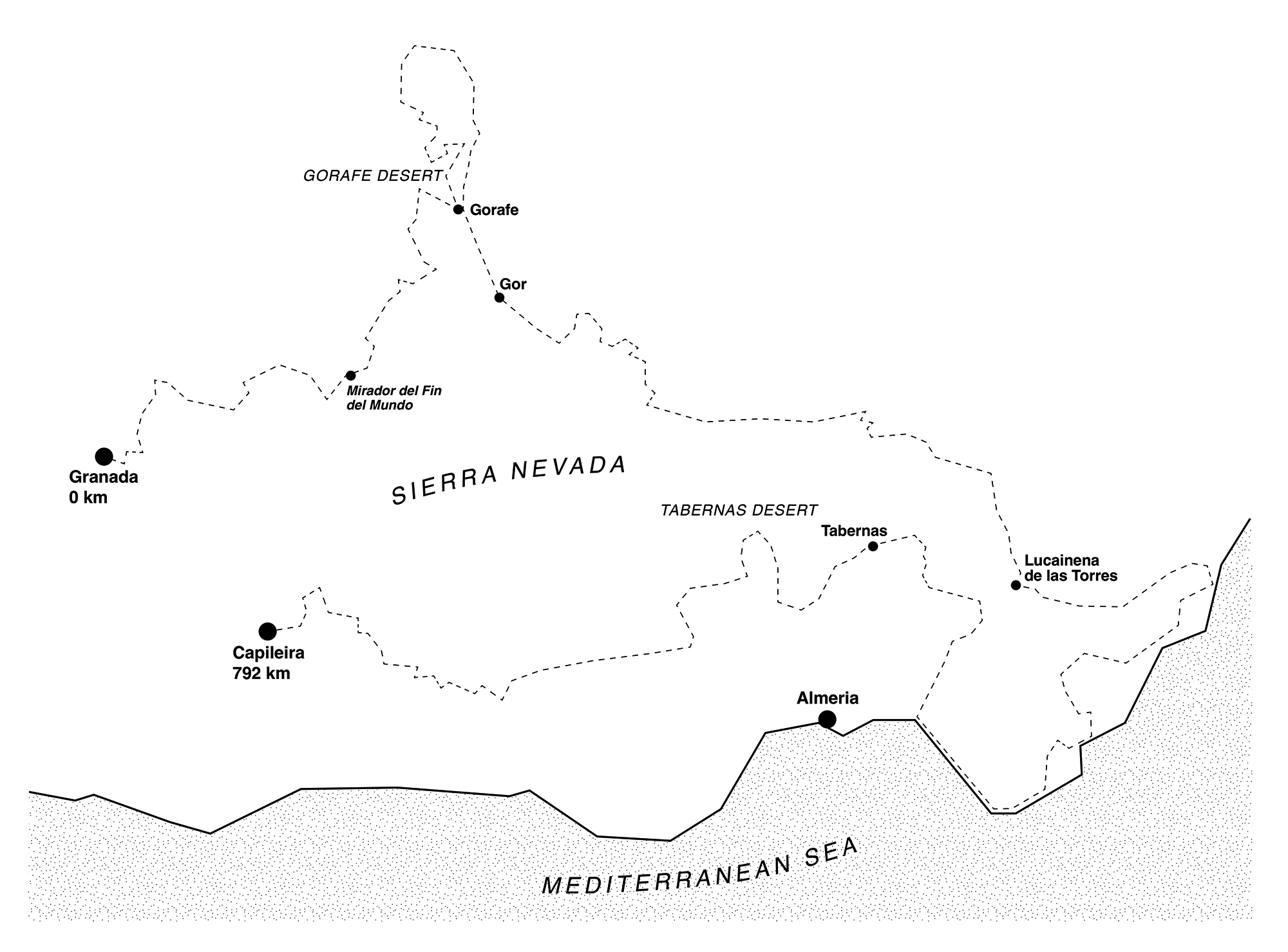
The majestic Alhambra stood above the city, its presence a glowing reminder of Granada's rich Arabic heritage. This past had shaped the labyrinthine alleyways, the intricate architecture, and even the names of many streets and the city itself. Occasionally, a gravel bike would pass by, its rider clearly an outsider. Most likely, they were here for the Badlands race – a grueling gravel bike challenge spanning nearly 800 kilometers with over 15,000 meters of elevation gain.
The participants had a maximum of six days to complete the course, which traversed Europe’s only two deserts – Gorafe and Tabernas –, drift along the Mediterranean coast, and finish in the village of Capileira, perched on the slopes of the Sierra Nevada. At least a third of the 350 riders would “scratch“ – a term I’d recently learned, meaning to abandon the race. A select few would cross the finish line before the third day, while most would arrive after four or five days. The remainder would trickle in on the sixth day.
My project was to film the Badlands race, capturing the story of Nathalie Schneitter, a Swiss mountain bike champion determined to complete the challenge in under 50 hours. What a feat that would be! Beyond that, I wanted to provide insight into the side projects initiated by the event’s organizers.
David Rodríguez, one of the founders of the Badlands experience, how I would like to call it, aspires to highlight the climatic, cultural, and social changes affecting this region. This desolate region in Andalusia is plagued by unemployment, deteriorating infrastructure, and a lack of future prospects. One of the most pressing battles though is the environmental one, as this area is exceptionally vulnerable to climate change. The combination of changing climate patterns and unsustainable agricultural practices has significantly jeopardized both the region and the prospect of a sustainable future for its inhabitants. Not to mention the deserts, which continue to expand year by year due to these very issues. Although the Badlands experience itself is not regarded as particularly ecological, as most of the riders travel hundreds of kilometers most often by plane, its role in raising awareness is undeniable. As David said in an interview, either you do nothing or you try your best, even if that means sacrificing certain ideals.
The results should not be underestimated. For the inhabitants of the villages, Badlands has contributed to their economic lifeline. Many benefit from the influx of guests traveling through the region on bikes – not only during the Badlands race but also throughout the year, as visitors arrive in smaller groups or alone to explore, experience, and immerse themselves in this extraordinary, little-known part of Europe. This growing activity has helped the local population recognize the potential to transform what was once considered an inhospitable region into a small but nevertheless thriving tourist attraction.
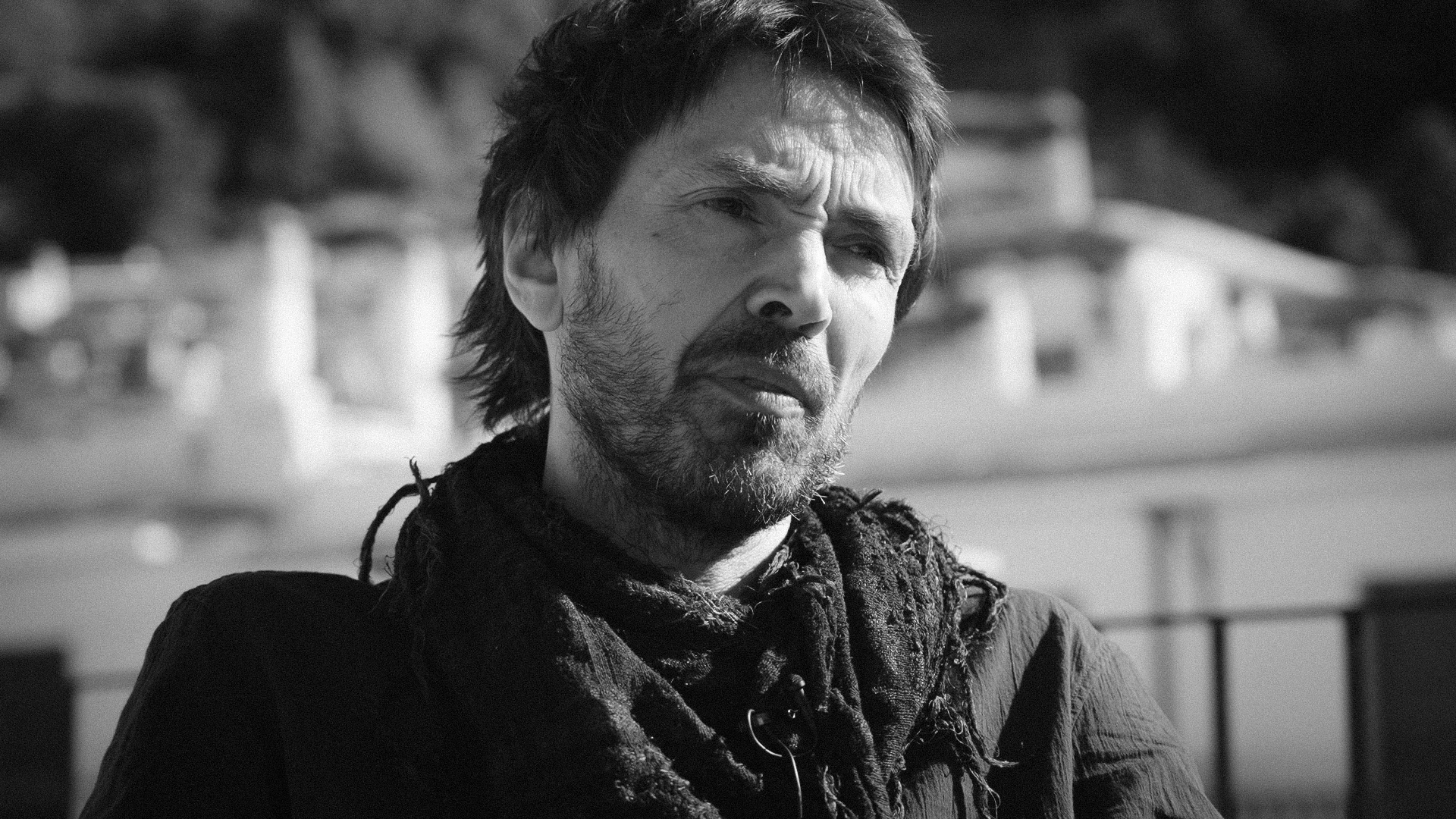
I met up with Nathalie and some of her roommates in the evening. Among them was Justinas Leveika, a Lithuanian nurse living in Norway. Not only is he known for organizing his own cycling event, The Bright Midnight – a race of around 1,100 kilometers through Norway's picturesque backyard during the well-lit summer – but also for earning the Triple Crown of bikepacking by completing the Tour Divide, the Colorado Trail, and the Arizona Trail in the fastest known times (FKT) in the U.S.
His smile and warmth were captivating. We talked – not just about Badlands or racing in general, but also about topics like friendships, loneliness, and the challenges of being a male nurse. He shared stories about picking fruit along the Badlands route and reminisced about his grandmother’s lush garden back in Lithuania.
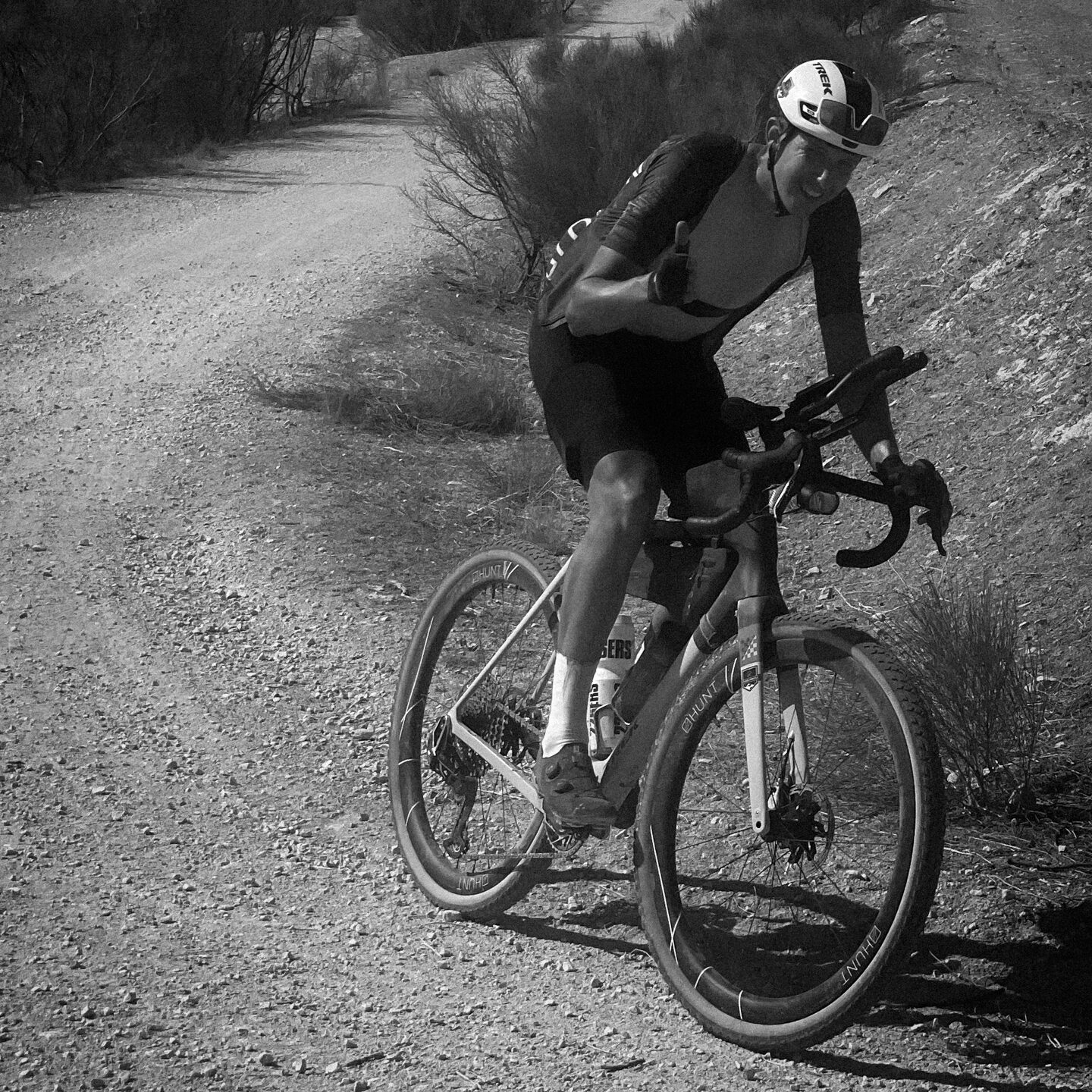
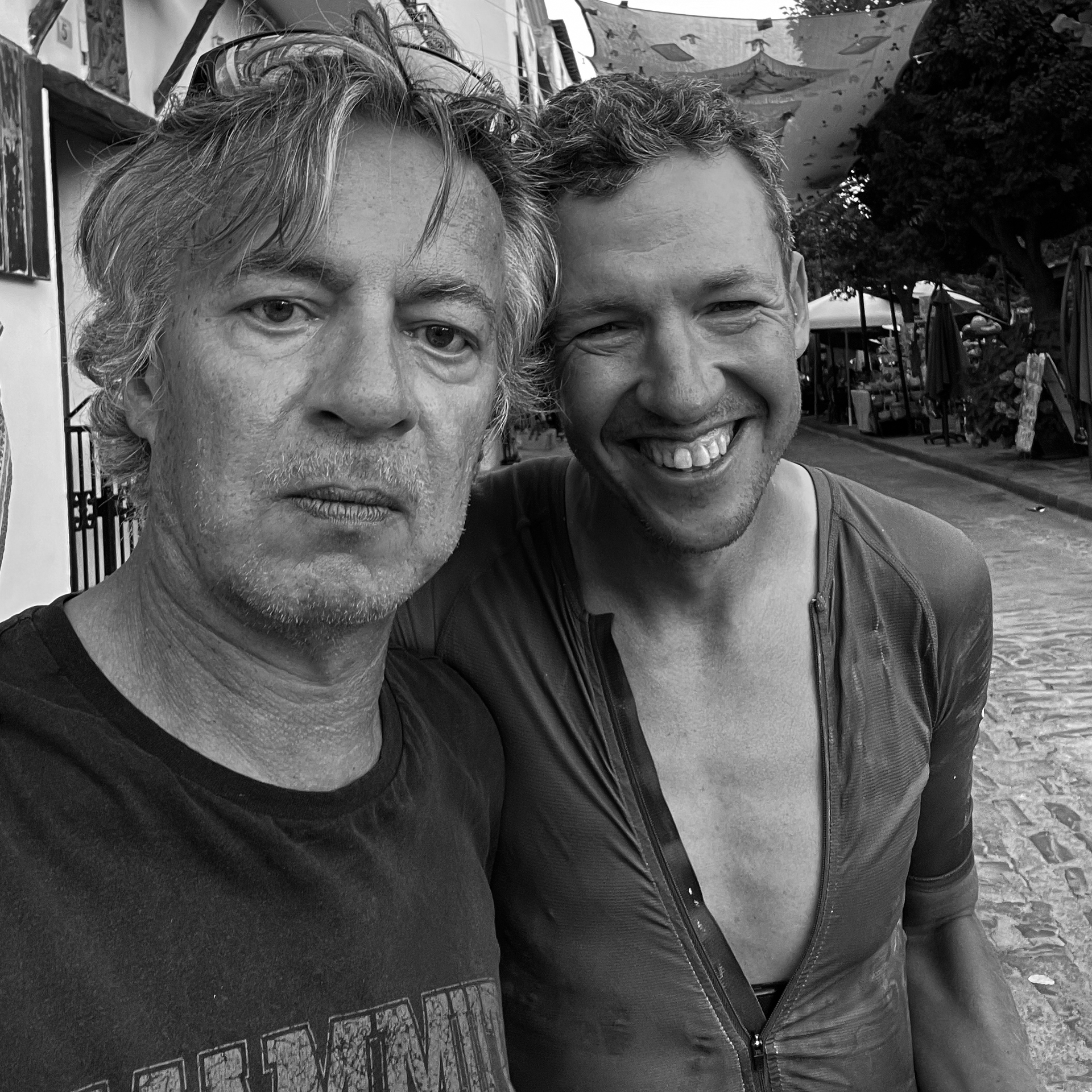
And then there was that ever-present smile, the impression that nothing could upset him. Nothing. Not even when I found him lying under a tree during the race, eating nuts and fruit, taking a break because his body wasn’t cooperating, and he hadn’t yet found his pace. What resonated most with me, though, was his mantra:
“Giving up is not an option.”
That phrase lingers with me to this day. And true to his word, he didn’t give up. He crossed the finish line.
In the group was also Julie Harster, a self-confident young woman from Canada living in Switzerland, who was participating purely for fun. She had a more relaxed approach to it all. It wasn’t about the competition; it was about connecting with the people involved, enjoying the moment and the ride, and embracing the personal challenge it presented. Unfortunately, she scratched due to exhaustion I believe. But that’s okay – that’s part of the experience too. It’s about understanding that you try your best, maybe battling the physical urge to stop. Your mind fights to convince your body to continue, even as it questions why you’re doing this in the first place. At some point, your mental state craves resting time, and perhaps to move on later. Mind games.
Eventually, you reach a breaking point. Either you change your strategy and continue without the pressure of meeting a specific time, or you face the reality that it just isn’t the right time to go through with it. Like so many moments in life, standing at a crossroads and deciding which path to take. What feels right in the moment might turn out to be wrong in the long term – or vice versa. That’s something I’ve currently been battling with myself, reflecting on what was to come. But maybe more on that later.
{ Und Sie dürfen sich nicht beirren lassen in Ihrer Einsamkeit, dadurch, daß etwas in Ihnen ist, das sich heraus wünscht aus ihr. Gerade dieser Wunsch wird ihnen, wenn Sie ihn ruhig und überlegen und wie ein Werkzeug gebrauchen, Ihre Einsamkeit ausbreiten helfen über weites Land. Die Leute haben (mit Hilfe von Konventionen) alles nach dem Leichten hin gelöst und nach des Leichten leichtester Seite; es ist aber klar, daß wir uns an das Schwere halten müssen; alles Lebendige hält sich daran, alles in der Natur wächst und wehrt sich nach seiner Art und ist ein Eigenes aus sich heraus, versucht es um jeden Preis zu sein und gegen allen Widerstand. Wir wissen wenig, aber daß wir uns zu Schwerem halten müssen, ist eine Sicherheit, die uns nicht verlassen wird; es ist gut, einsam zu sein, denn Einsamkeit ist schwer; daß etwas schwer ist, muß uns ein Grund mehr sein, es zu tun. }
Rainer Maria Rilke: Briefe an einen jungen Dichter
–––––––––––––––––––––––––––––––––––––––––––––
Do not allow yourself to be confused in your aloneness by the something within you that wishes to be released from it. This very wish, if you will calmly and deliberately use it as a tool, will help to expand your solitude into far distant realms. People have, with the help of so many conventions, resolved everything the easy way, on the easiest side of easy. But it is clear that we must embrace struggle. Every living thing conforms to it. Everything in nature grows and struggles in its own way, establishing its own identity, insisting on it at all cost, against all resistance. We can be sure of very little, but the need to court struggle is a surety that will not leave us. It is good to be lonely, for being alone is not easy. The fact that something is difficult must be one more reason to do it .............................................................. Rainer Maria Rilke, Letters to a Young Poet
One very reassuring aspect of this experience was the lack of pretentiousness toward those who didn’t make it. No swagger, no arrogance – the pros and amateurs alike are all affected in the same way. I suppose that’s what makes this event, and others like it, so approachable and uplifting – if that’s the right way to describe it.
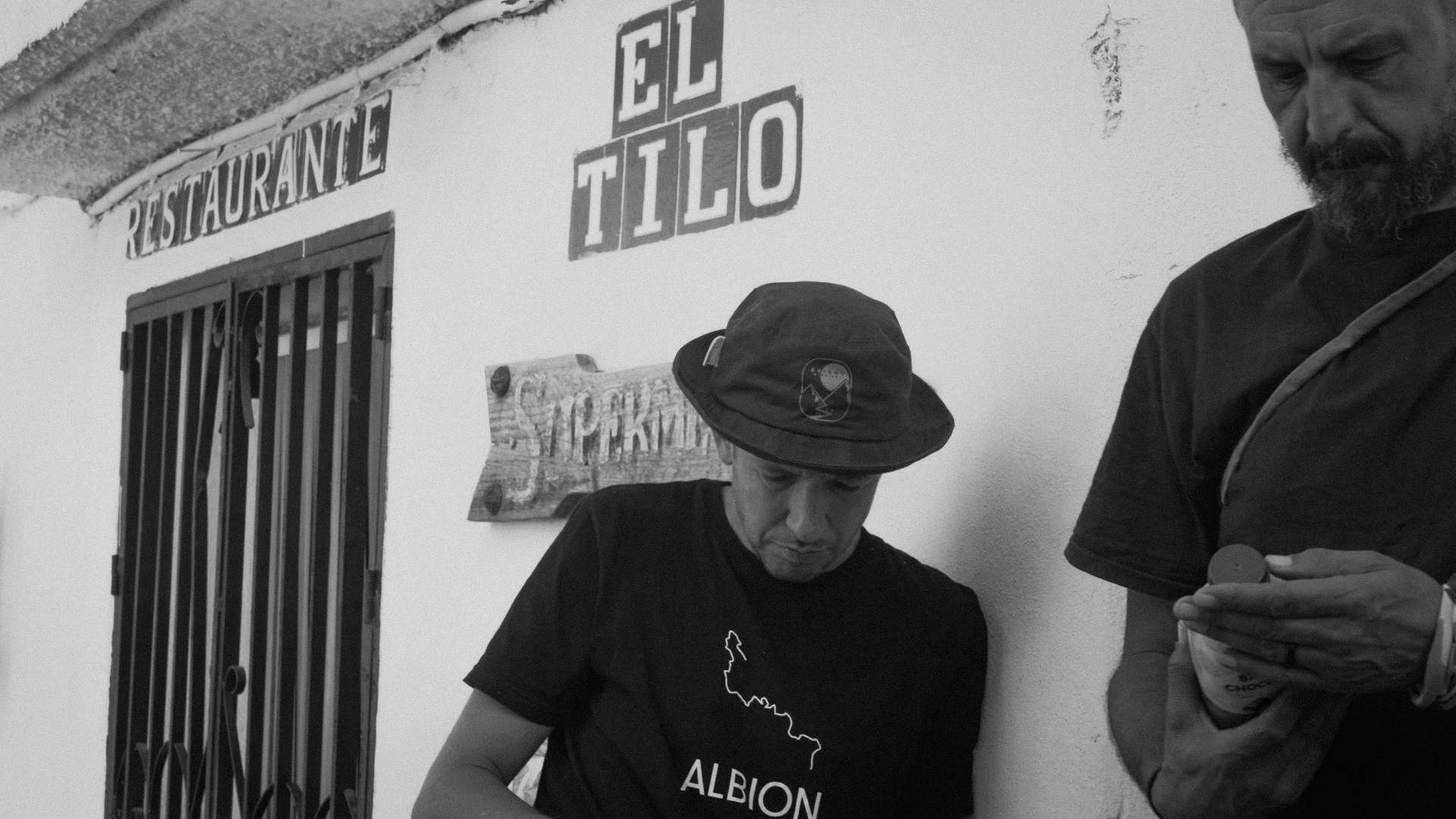
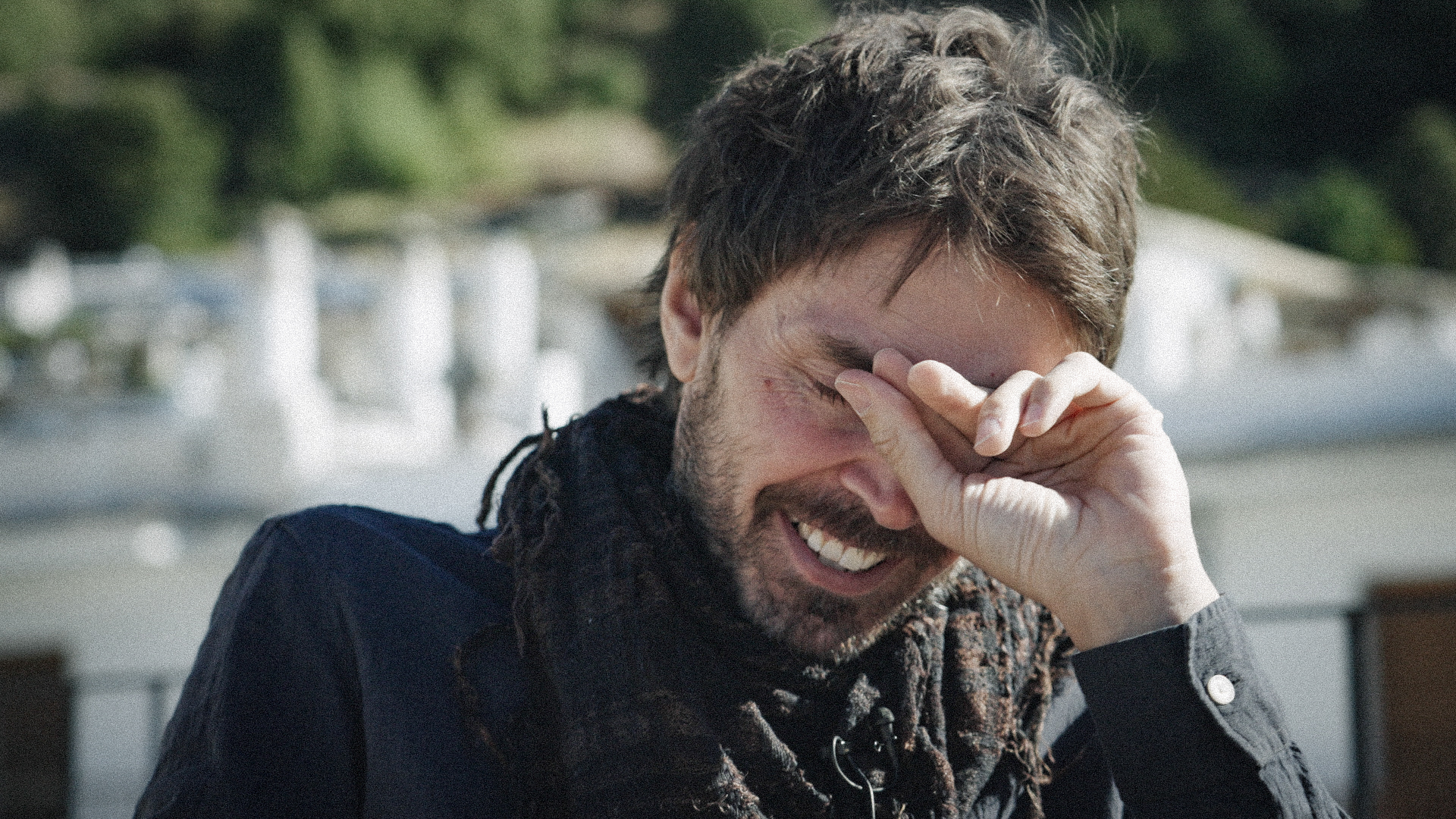
And then there was Ryan (the guy with the beard). Ryan Le Garrec: a photographer, writer, and filmmaker. Kind of like me, but different. He specializes in all things cycling. For now, at least. We had already unknowingly been connected through Instagram. So his work, his passion wasn’t new to me. But you do look twice when you finally meet a person you’ve been following for ages. And it’s easy to say, I admire his work, his talent, and the way he sees the world—a perspective I fear I may have lost. Without sounding condescending, there’s something almost innocent about it – an approach that comes from stepping out of one's comfort zone. It got me thinking, and maybe it switched something back on in me. That sense of, “Fuck it. Let’s give this a go again.” The impulse to think outside the box, strip things down to their essence, and just do it. Creative talk I guess.
We ended up talking more after the event, actually long after I returned home. About our fathers, journalism, making cool films, and taking great photos. He also shared his magazine idea, which he'd mentioned earlier when we were still drinking beers together in Granada and Capileira.
My father was a journalist in the Middle East, in Jerusalem, where I was born. That’s where I grew up and was confronted with geopolitical issues there, and often found myself accompanying him during many of the stories he was covering. But as family dynamics sometimes go sour, I ended up moving to South Africa and later to the United States with my mother. At some point, I decided to return to a father I didn’t really know. By then, I was at an age where getting to know him better wasn’t exactly a priority. It was a time when listening to hard rock, learning the guitar, impressing girls, and smoking stuff that wasn’t legal took precedence. And, of course, growing my hair as long as humanly possible. I had disconnected from my father. Maybe we were never really connected in the first place. By then, we didn’t share much of anything anyway. I suppose you could say the feeling was mutual.
I think Ryan and I had similar stories to tell. Family vibes that aren’t that exceptional in this day and age I guess.
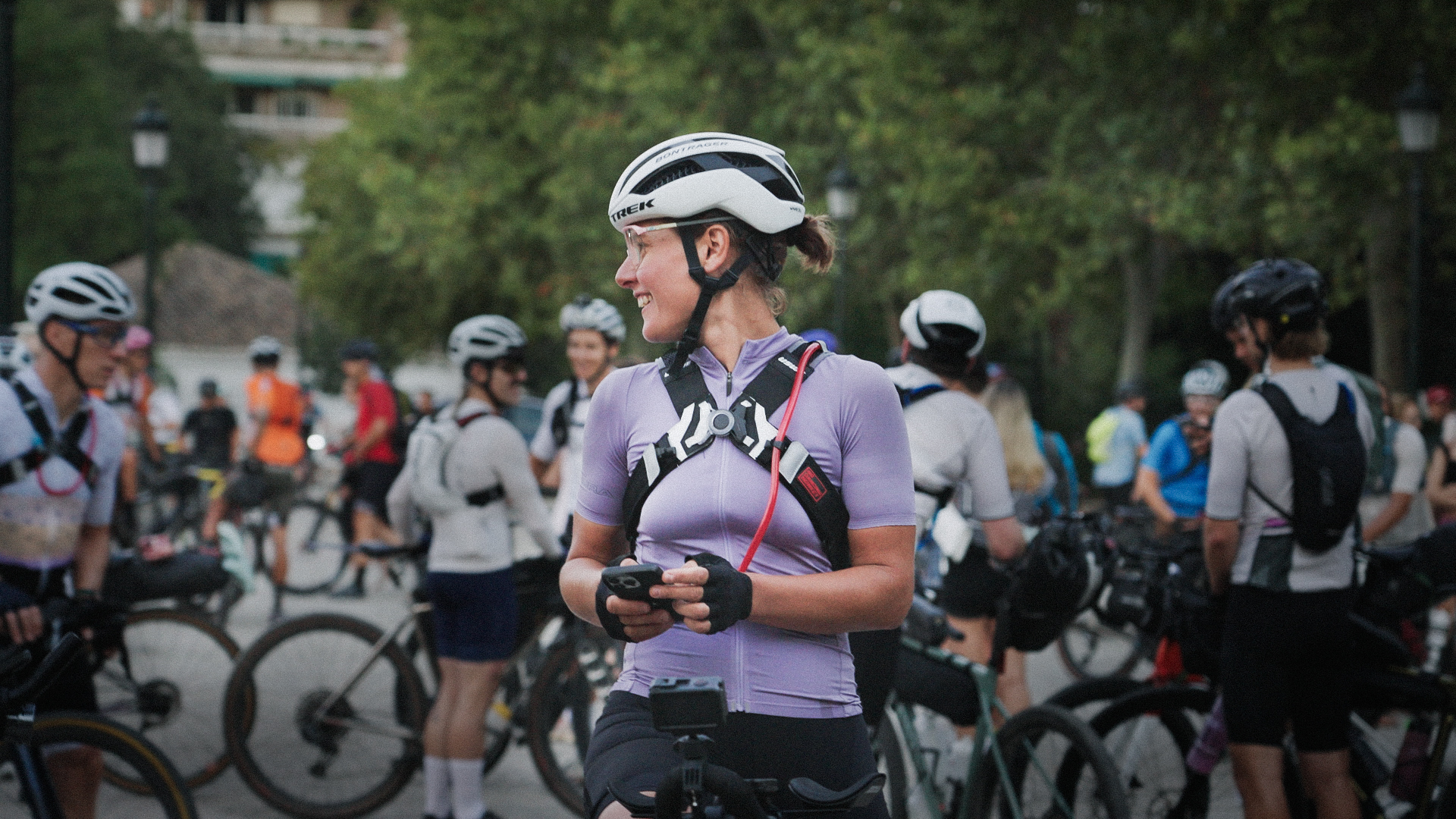
Start.
My mind was set: early morning, no distractions. The car was packed, and I was ready to go. All the riders were waiting at the start – some patient, others nervous. Among them were familiar faces I had been following on social media, like Chris Hall and Sherry from BuzzAlong. Nathalie was obviously already in her “race mode“, as she would call it later. She seemed quite tense and wasn’t very responsive when I asked her something. I probably wouldn’t have been either.
Are you nervous?
What a stupid question to ask, I realized. Didn’t really know what else I could ask to get some kind of conversation going. Nothing else fell in mind. Maybe I should have just shut up. Her gaze wandered around. Partly examining what others had on their bikes, partly checking if she had everything.
No not really. Just excited about what is to come.
She answered and ignored me and my camera again.
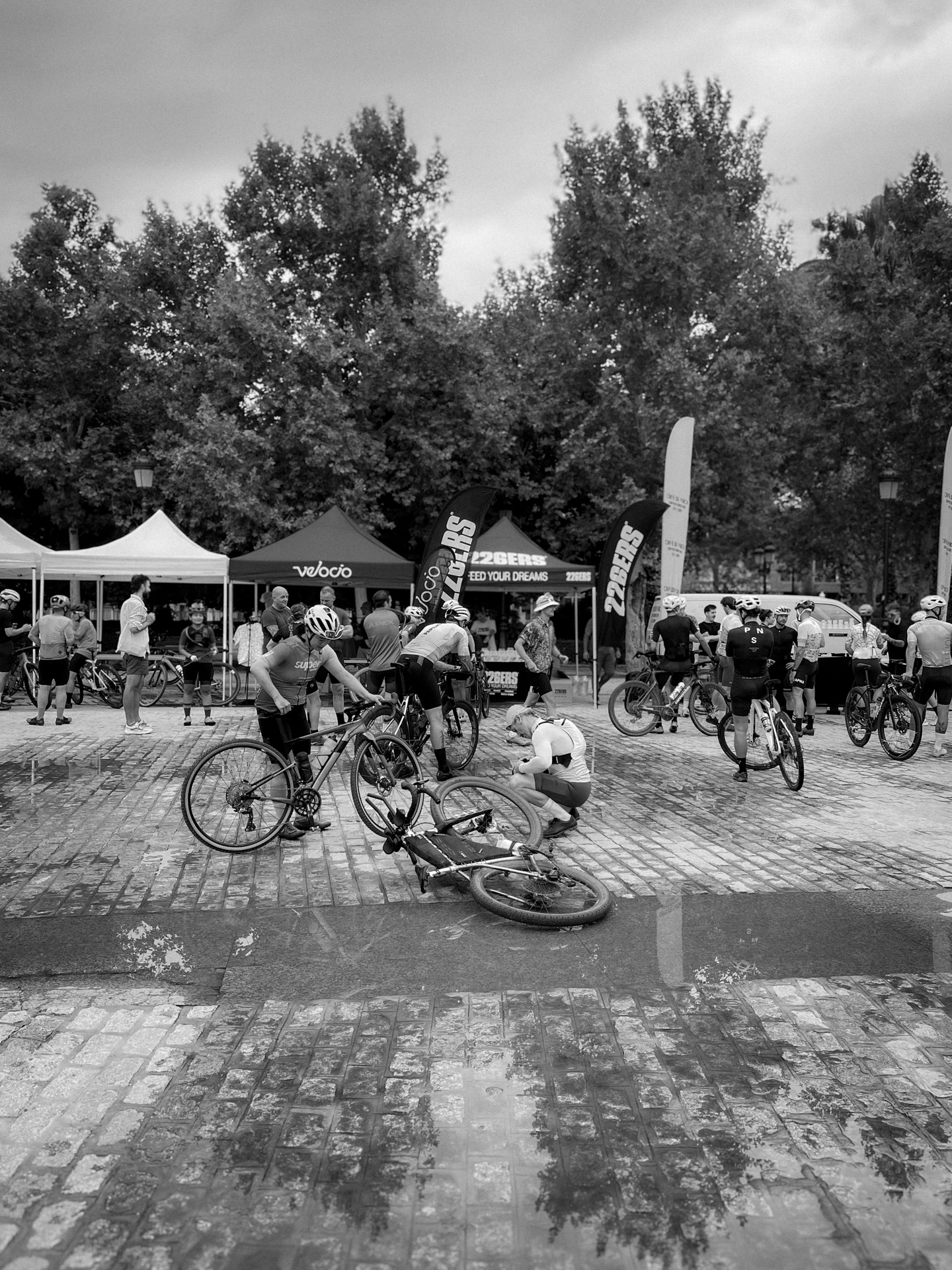
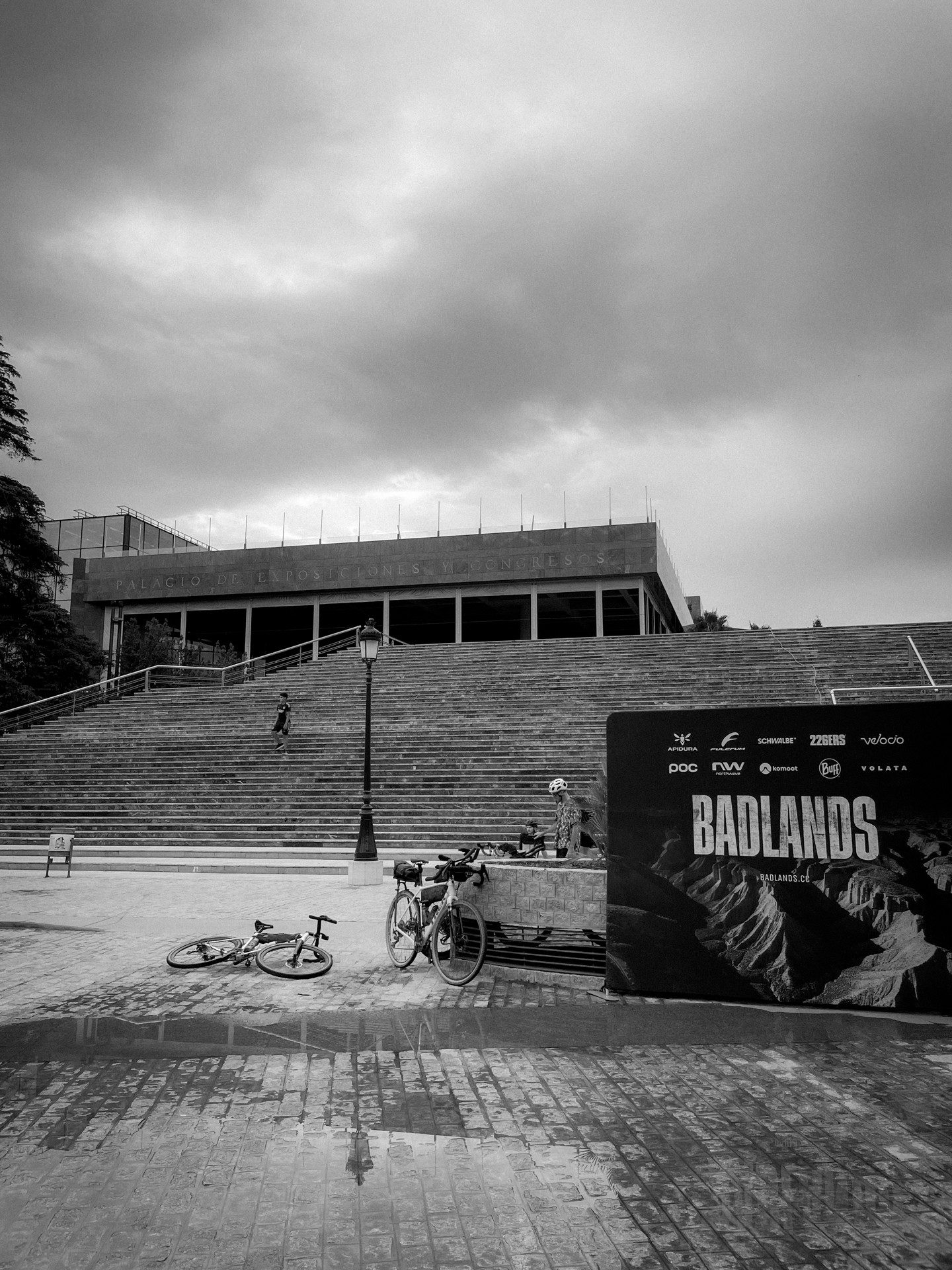
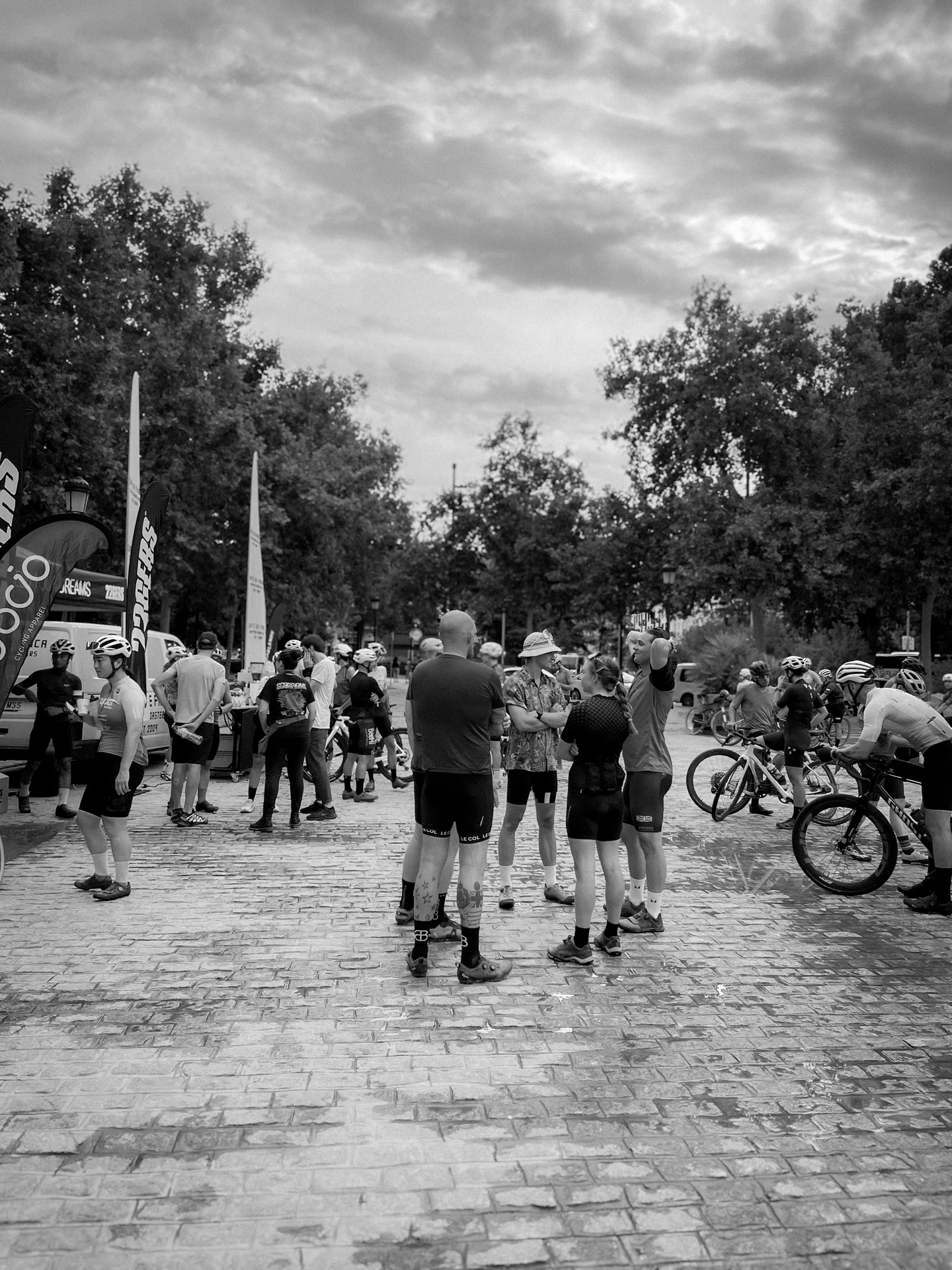
David, the organizer, called the start, and the distinct sound of clipless shoes jabbing into pedals echoed through the air. Hubs began to buzz, while bystanders shouted, “¡Vamos!“ The bike pack slowly began to roll, crawling behind the police car leading it out of Granada.
I was alone again. My mind kept jumping back and forth between the death of my father and the present moment. I tried to figure out why I wasn’t feeling sad. Instead, I felt profoundly indifferent about what had happened, and I couldn’t clearly say why. I started Googling to see if there might be something wrong with the way I felt, but the answers weren’t very helpful. Maybe so much had happened since I was a kid, and the distance between us had grown so great that, somewhere along the way, the point of no return had been crossed. I had found my peace long long ago. There wasn’t anything left to get off my chest, and even if so, it would be too late now. I was simply glad to see him no longer suffering.
Time pressure was on my side. It was the best distraction. I had to get to the next hot spot where I could film Nathalie passing by. My rally began and .......................................
I got lost in Granada .....................................
Nathalie was pushing it. I had to catch up with her. Flying down narrow roads, I passed racers who had fallen back before finally catching her at my first hot spot, about 15 kilometers into the race. She sped past me, full of vigor and completely focused, not even noticing me standing just a few meters away. It all happened so fast.
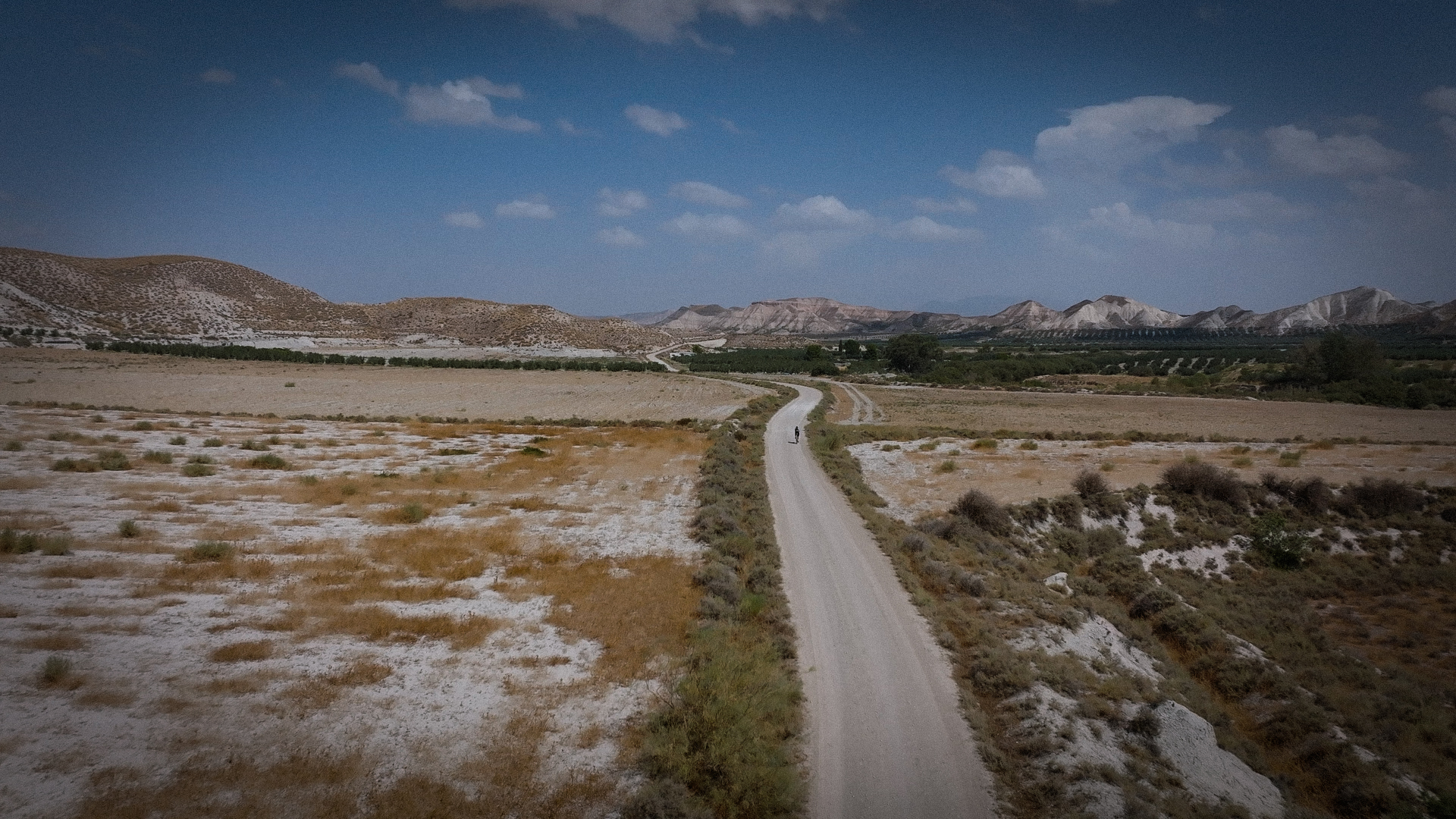
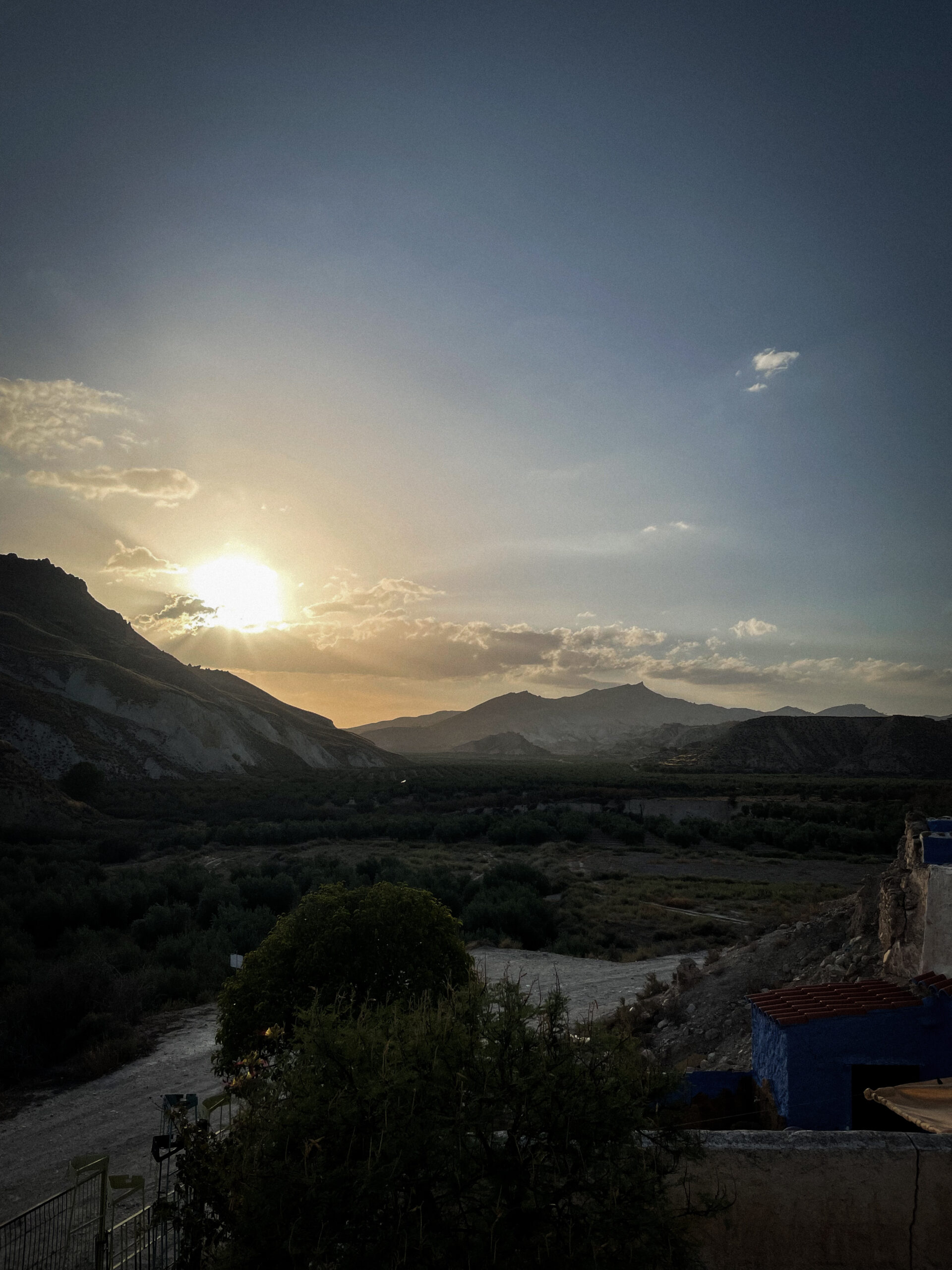
Back in the car, I headed into the foothills of Badlands country. Alone, I had the chance to take in the breathtaking scenery – the gently swaying trees, the canyon-like rock formations of this rugged area. My little rented car, clearly not built for this terrain, cruised over dusty tracks. I stopped occasionally, stepping out to let the warmth of the early sun sink into my skin, to soak in the sounds and scents of the wilderness. I was alone, and it was healing.
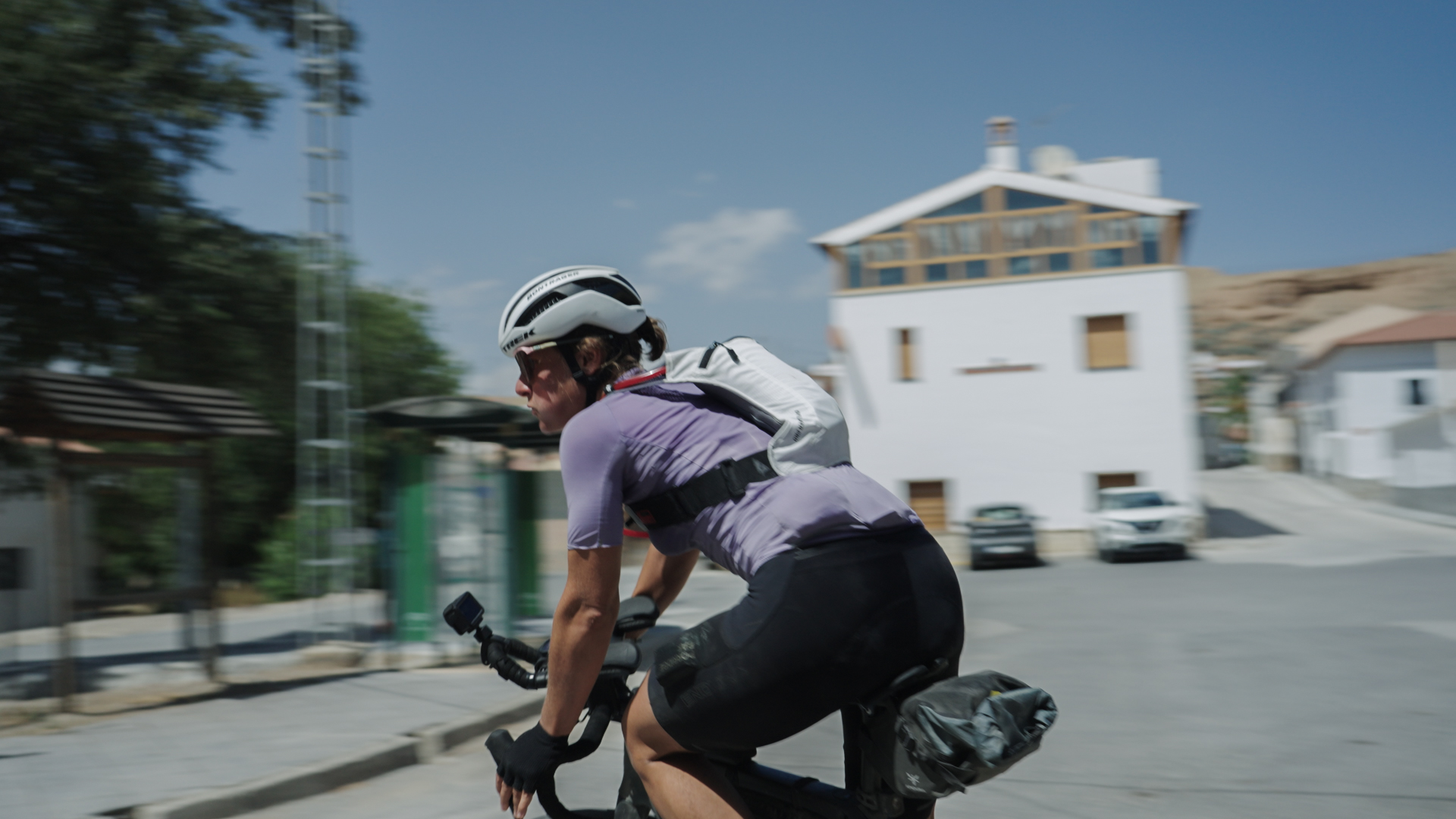
I waited at the 45-kilometer mark, where the first racers began to pass. Justinas, Cara, and many others went by until Nathalie came flying around the corner, leaving me in a cloud of dust. She moved like a machine – each pedal stroke precise and powerful. Glancing over her shoulder, it wasn’t me she was looking for but rather anyone who might be gaining on her. She was still deep in race mode, driven and full of energy. And then she was gone. The moment lasted less than 15 seconds, and I was on my own again. I had to move quickly – checking her position on my phone and figuring out how to beat her there before she could cover me in dust once again.
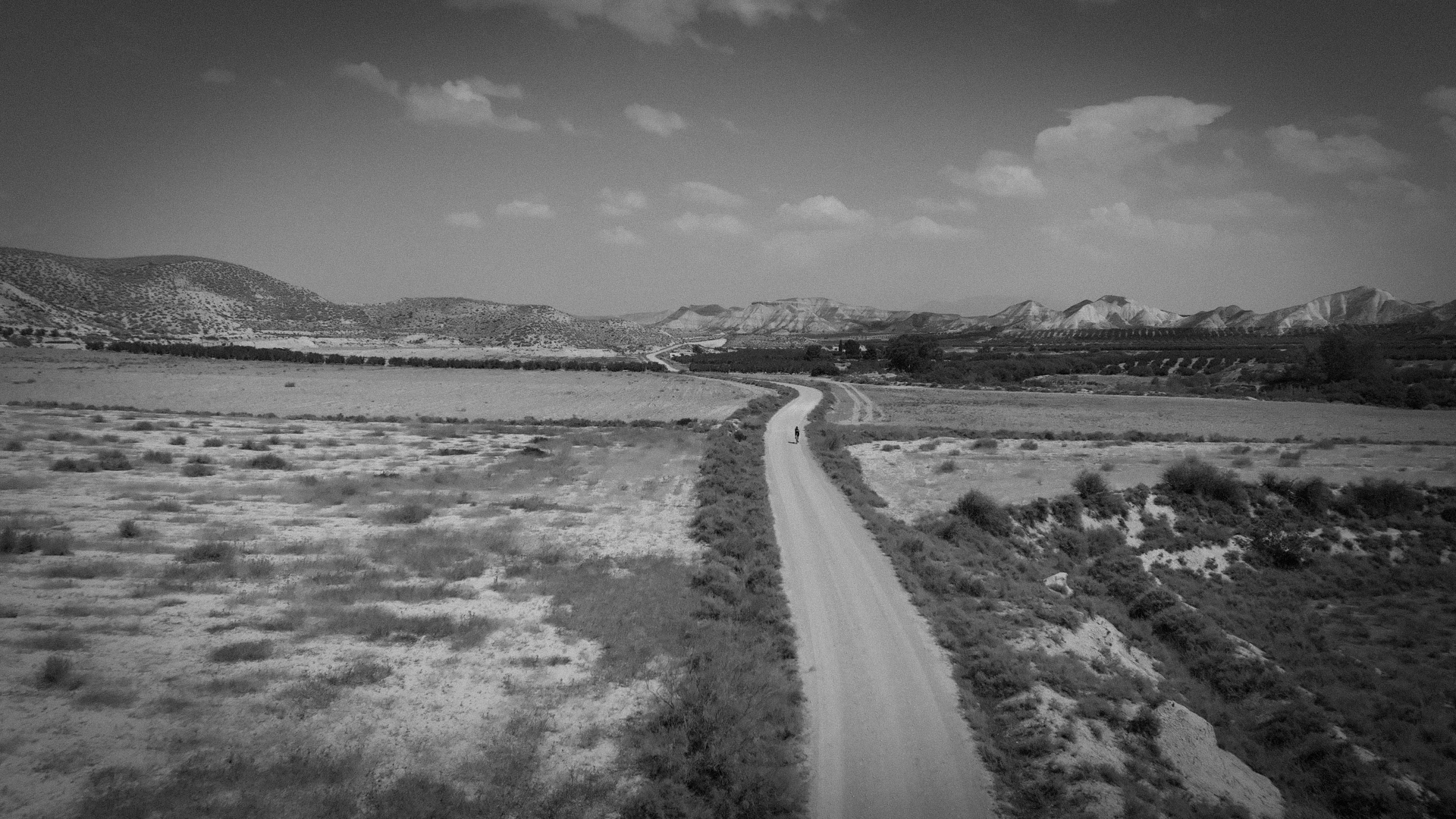
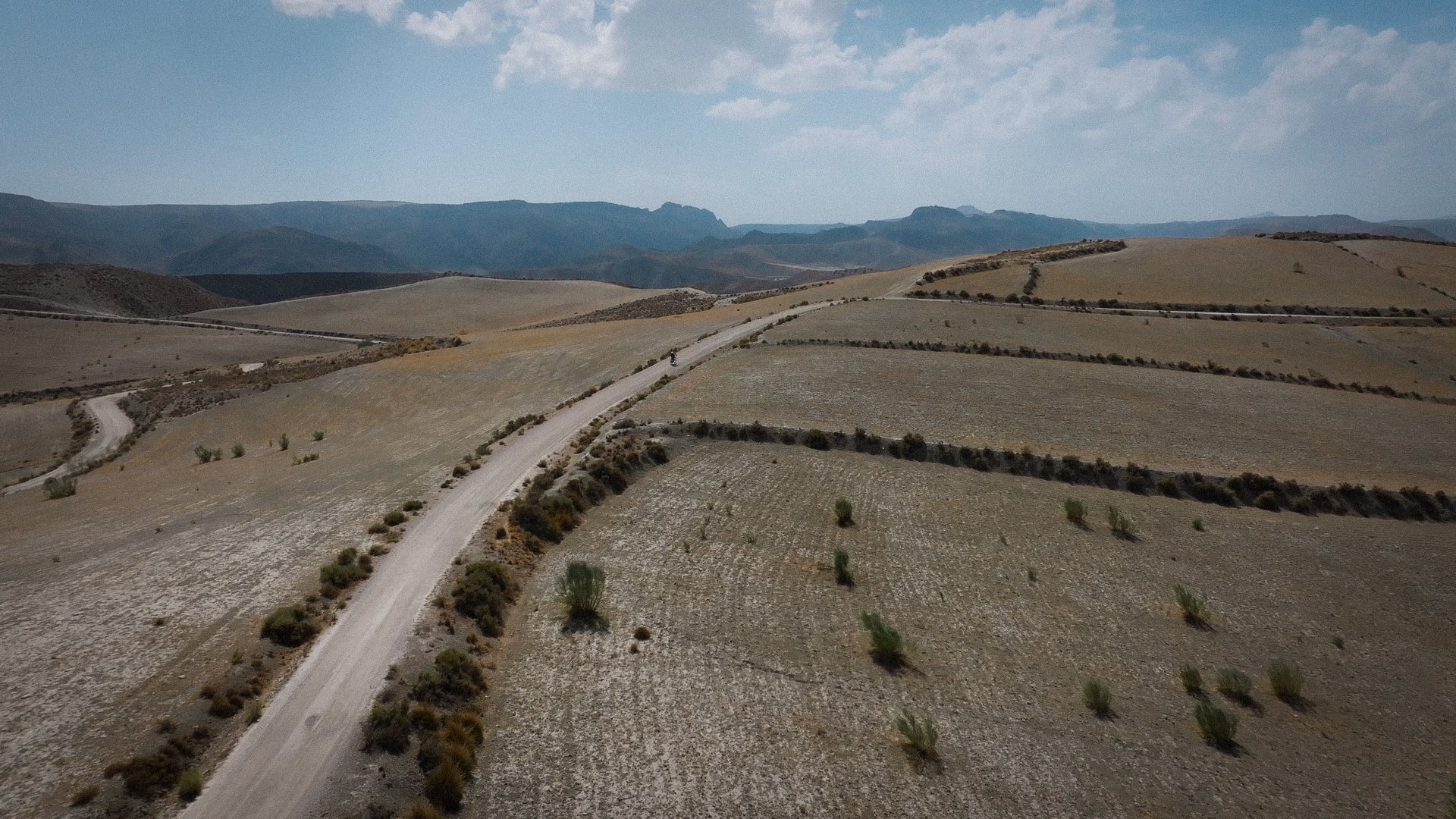
I was all hyped up, as if I were riding the race myself. What drives someone to take on such an immense physical burden? I’m not talking about myself – I was comfortably seated in my air-conditioned car – but about those riders on their carbon, aluminum, or steel bikes, racing down precarious gravel tracks at breakneck speeds. It must be a mix of adrenaline, a mental high, and the addictive drive to win. I could feel it stirring in me too – a sudden urge to jump on a bike and flow with the race.
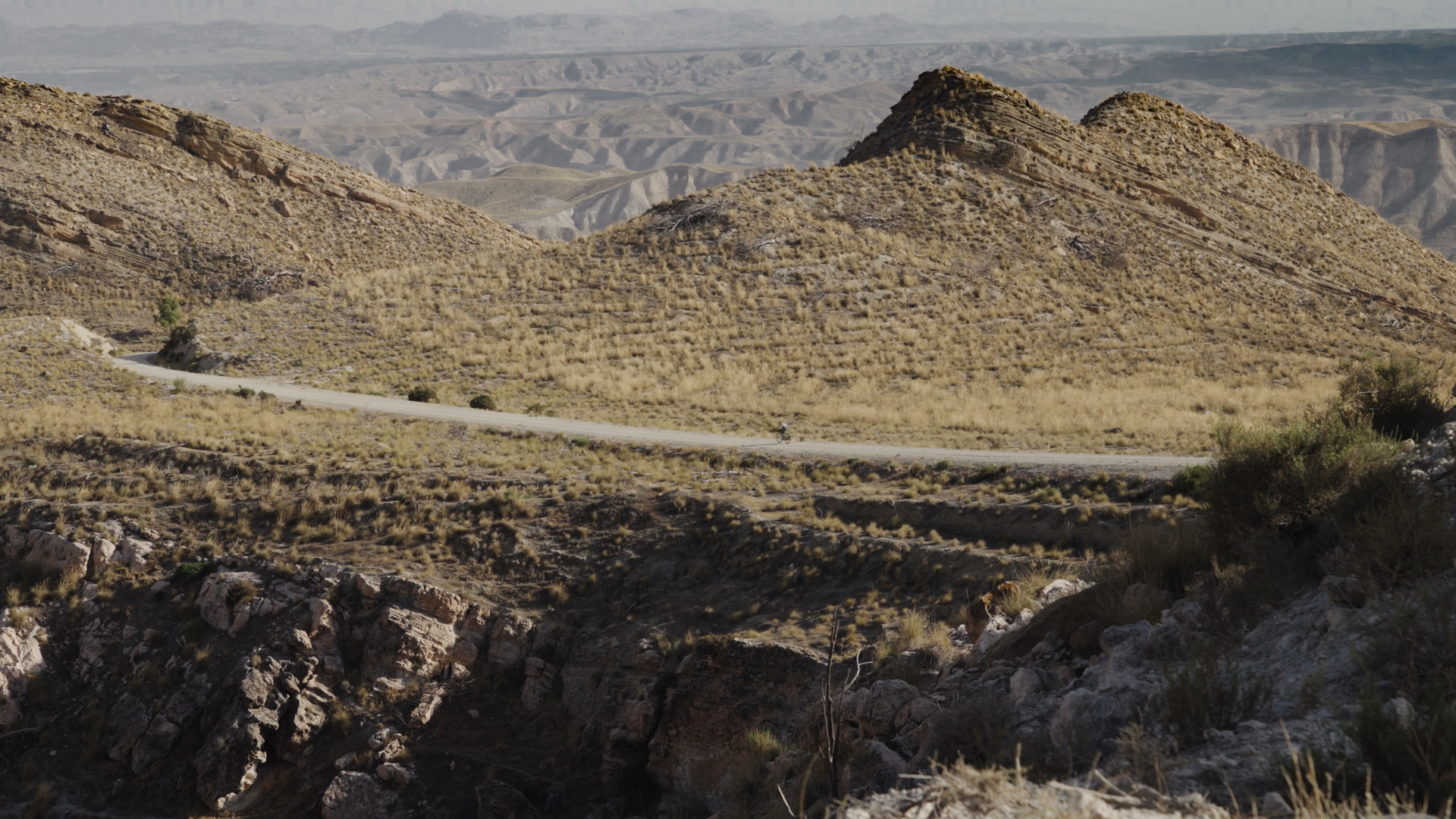
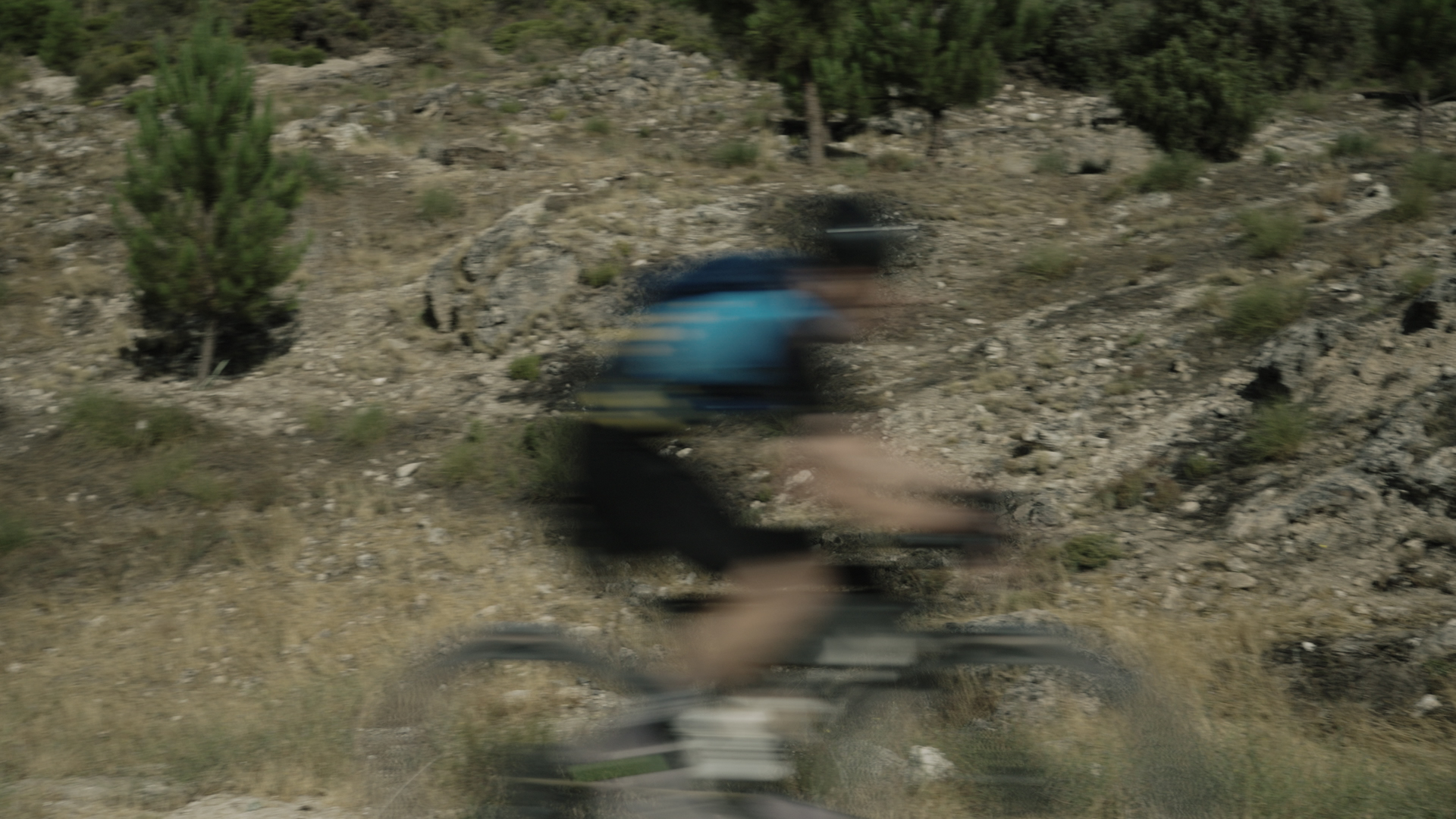
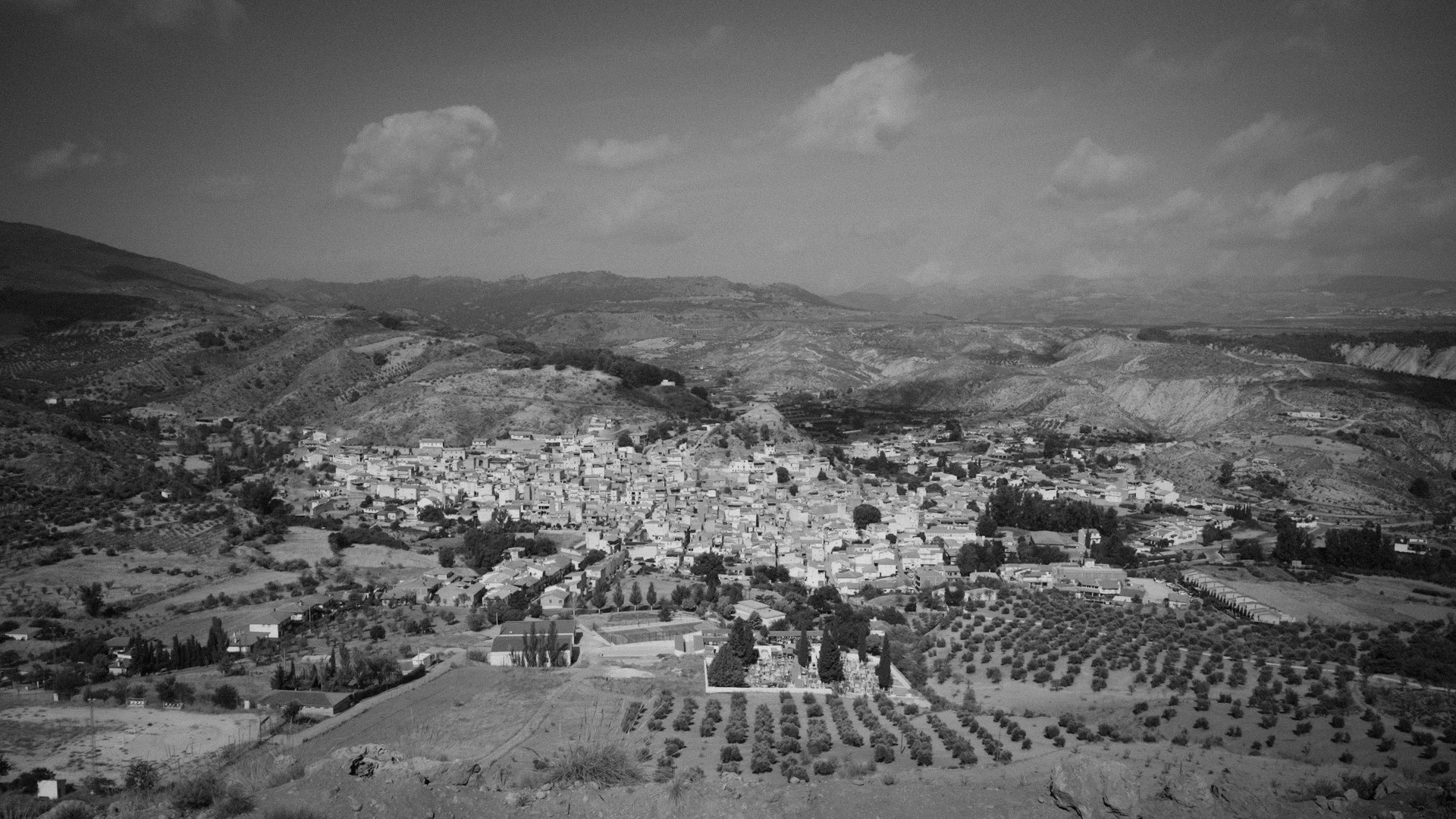
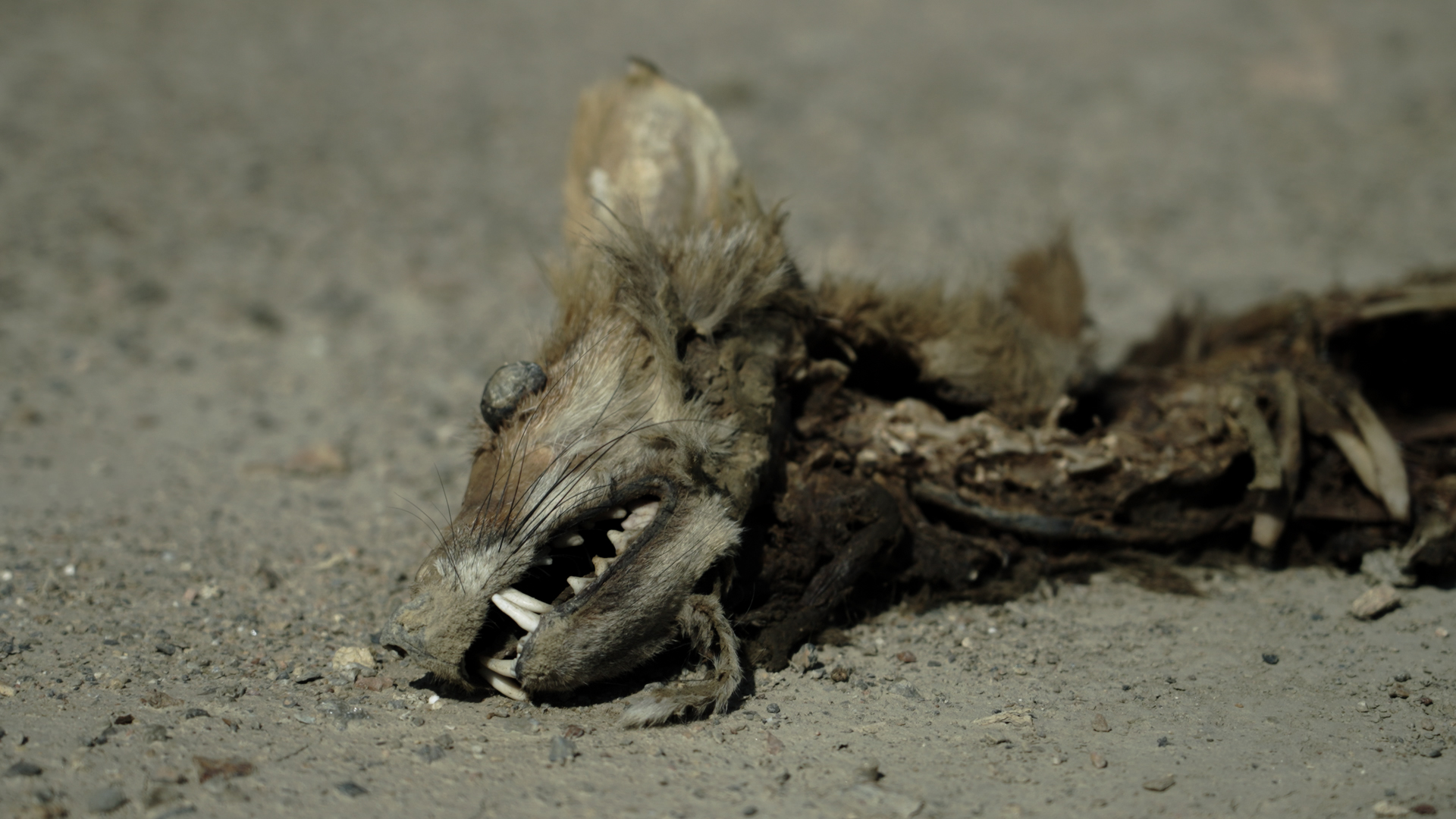
Nathalie had disappeared. At Mirador del Fin del Mundo, near Guadix, my little car struggled up the most punishing ascent to the summit. There, I waited for her, facing the village below with the peaks of the Sierra Nevada behind me. This place was something like the gateway to the Gorafe Desert. I missed her. Later, I learned she had passed through before I was even ready to film her arrival. The climb was brutal – riders looked like ants inching their way up the hill. That’s when I heard my name and saw Simona again. At first, I barely recognized her. Covered in dirt and drenched in sweat, she looked utterly drained. I’d met Simona a few days earlier when she was getting her accreditation. She was here alone, but sadly, she scratched the race a day later in Gor. She wrote me, saying her body gave out after 130 kilometers. She was devastated – disappointed in herself and heartbroken.
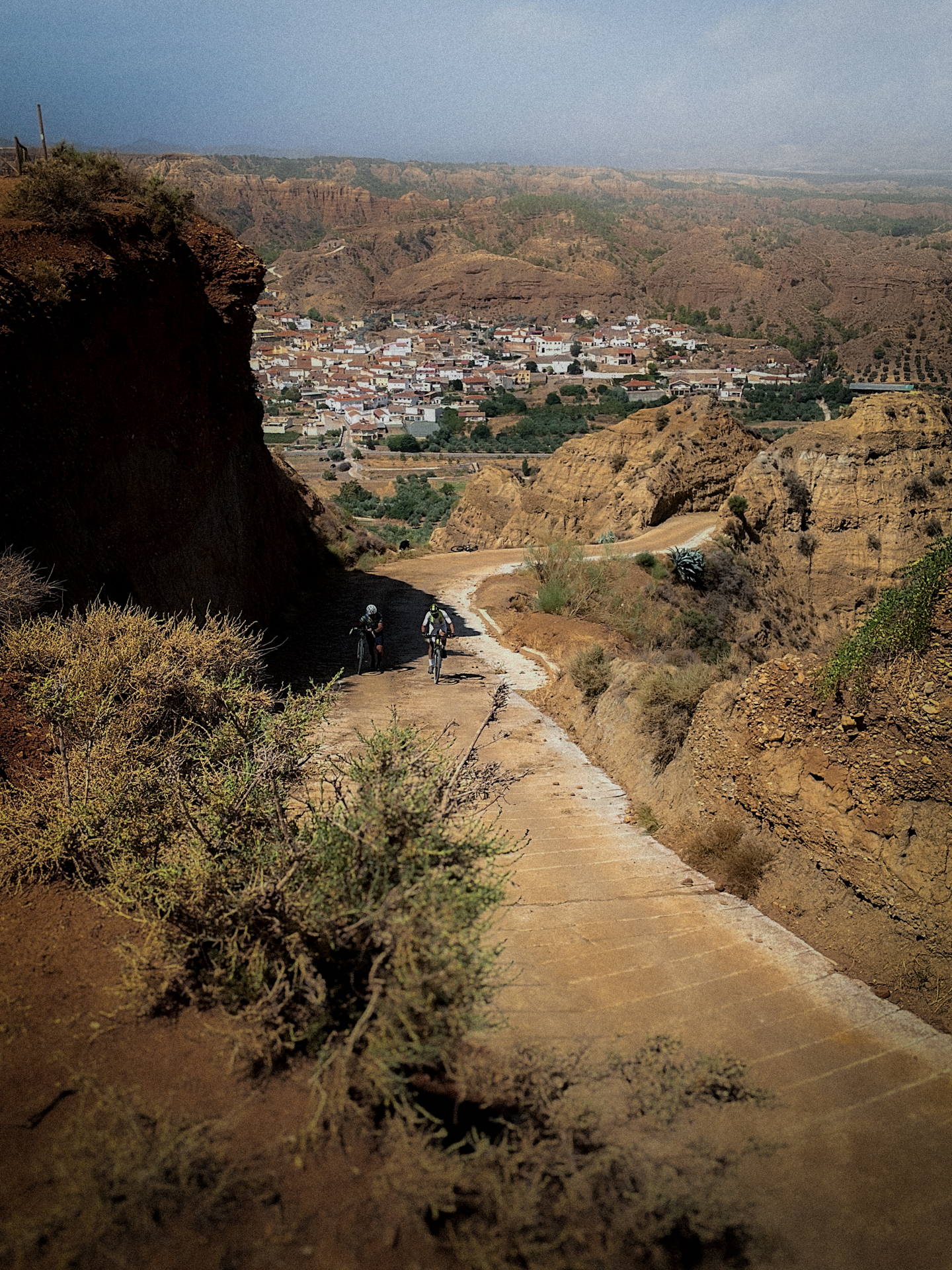
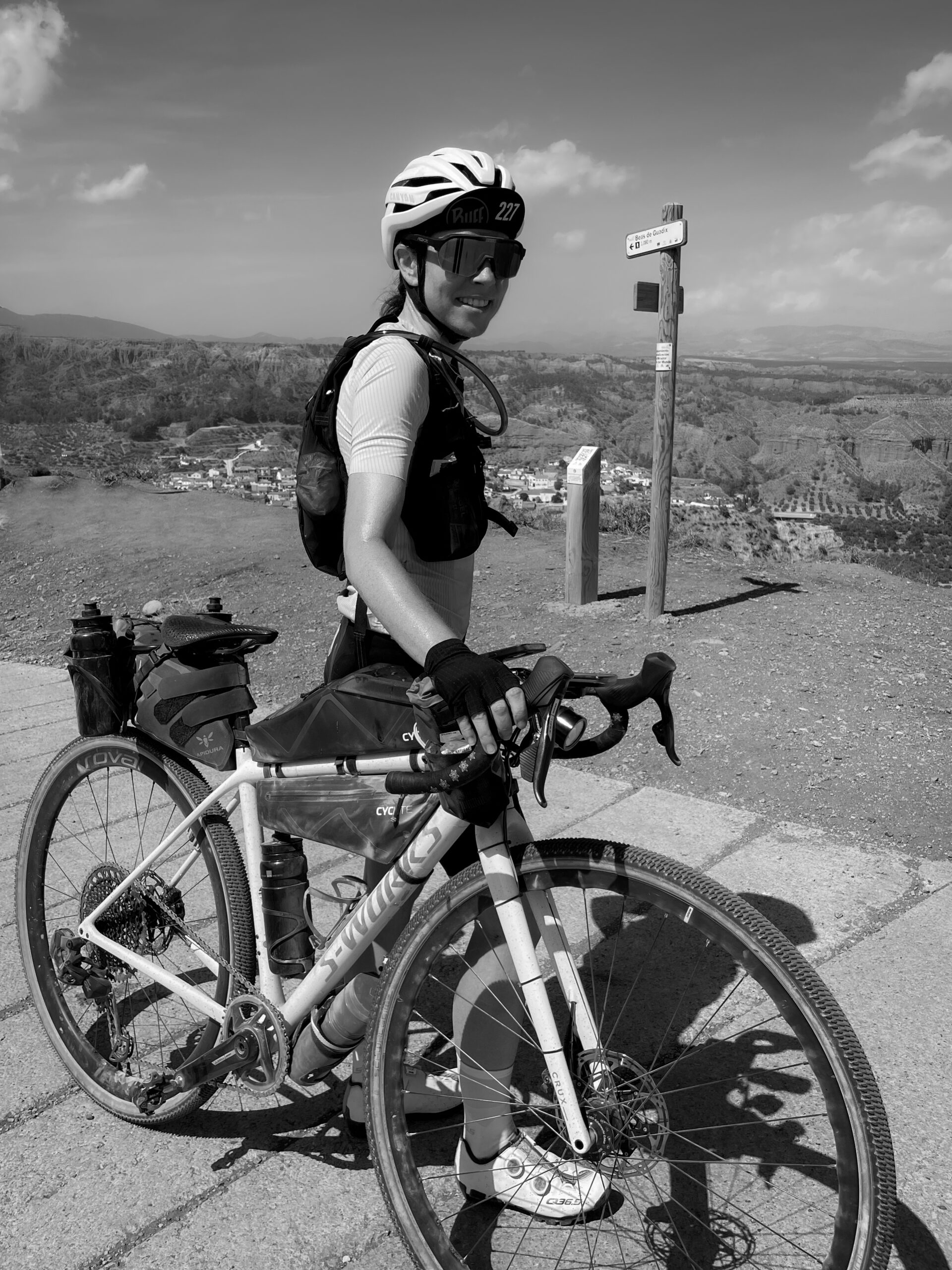
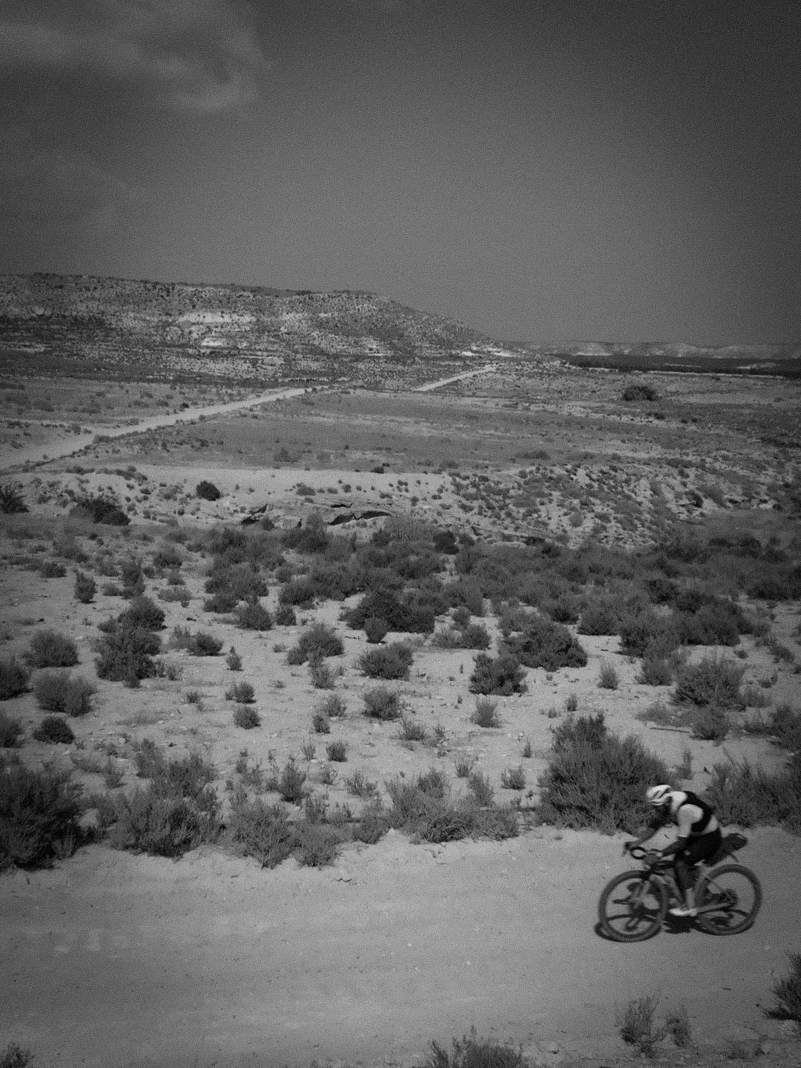
I waited for Nathalie in Gorafe, a small village about 125 kilometers into the race. She was consumed with rallying her energy, refilling her bottles, downing sugary soft drinks, and eating whatever carbs she could find. I almost felt like I was in her way. Her mindset wasn’t tuned to conversation – her focus was on her rank. She looked around nervously, as if expecting someone to challenge her position. With a quick goodbye, she was off again.
She had ridden this route before, back in December a year ago. Back then, it wasn’t a race; she had no pressure to win. It was just a solitary ride – a trip to escape. She had found herself in a world she hadn’t imagined existed: the vast emptiness, the barren landscape, the scarcity of people. It was inviting, it drew her in and made her think – about her life, about everything she had been through before that trip. It was personal, something she didn’t want to delve into further.
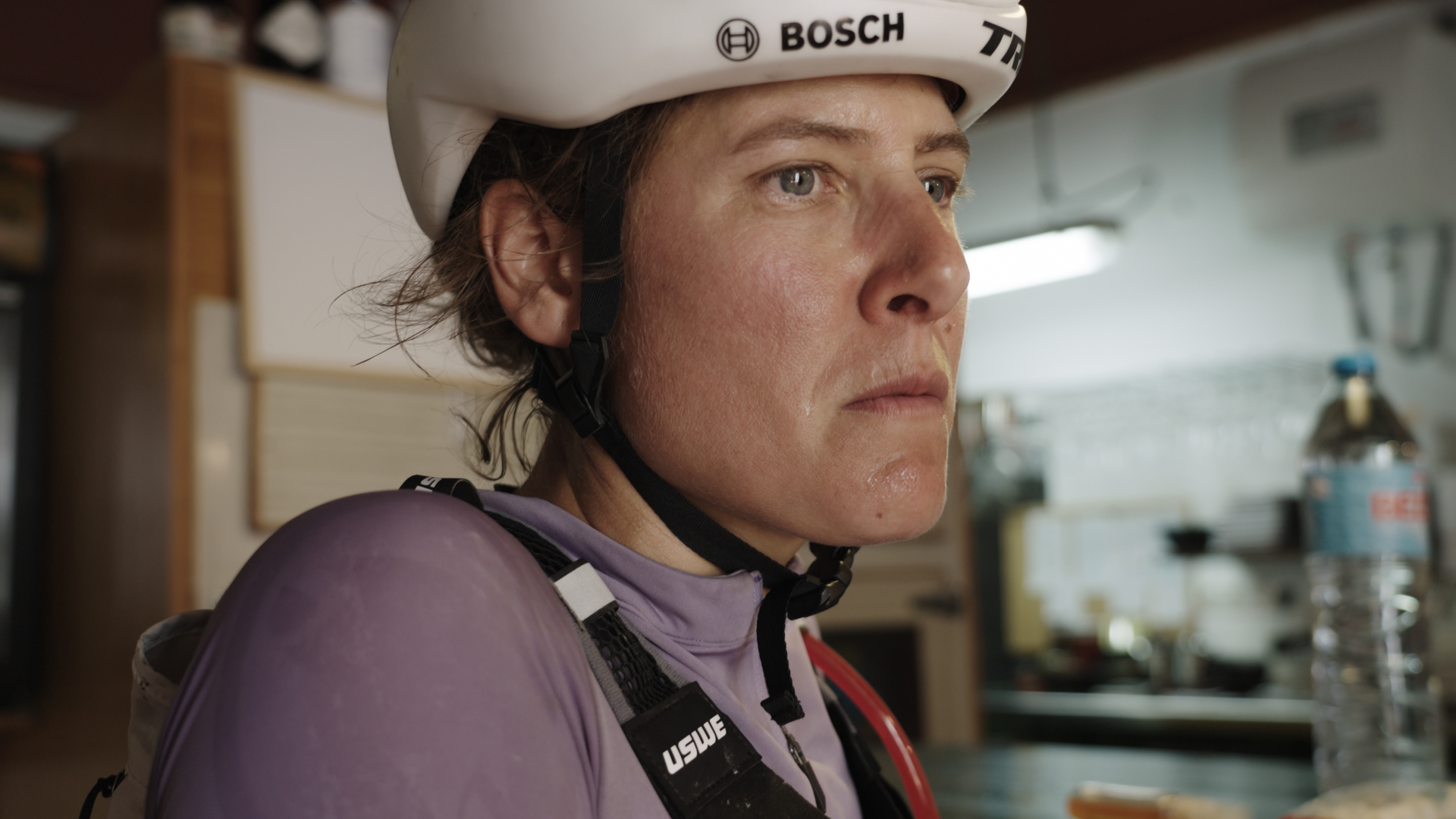
I get it. Ever since I started biking, it’s been the same for me – a way to immerse myself in something far greater than I could ever fully grasp. I’m always searching for distance, for a path that leads away from the mundane hum of traffic and the press of crowds. I crave vastness – an open path that feels endless, one that swallows me up, shakes me to my core, and makes me feel small – a part of something infinitely larger than myself. It’s about finding a state of mind rooted in the present moment, yet lost in a kaleidoscope of emotions, thoughts, and timelessness. The more dust, the more sun, the more the ride matters. Racing wouldn’t be an option for me – I could never keep up with anyone anyway.
That feeling seemed mutual. It’s hard to put into words what it does to you. Some people cry without understanding why. Others laugh through the pain, unwilling to trade the moment for anything in the world. And then you pinch yourself, asking, Am I really here?
Well, .................... very much so.
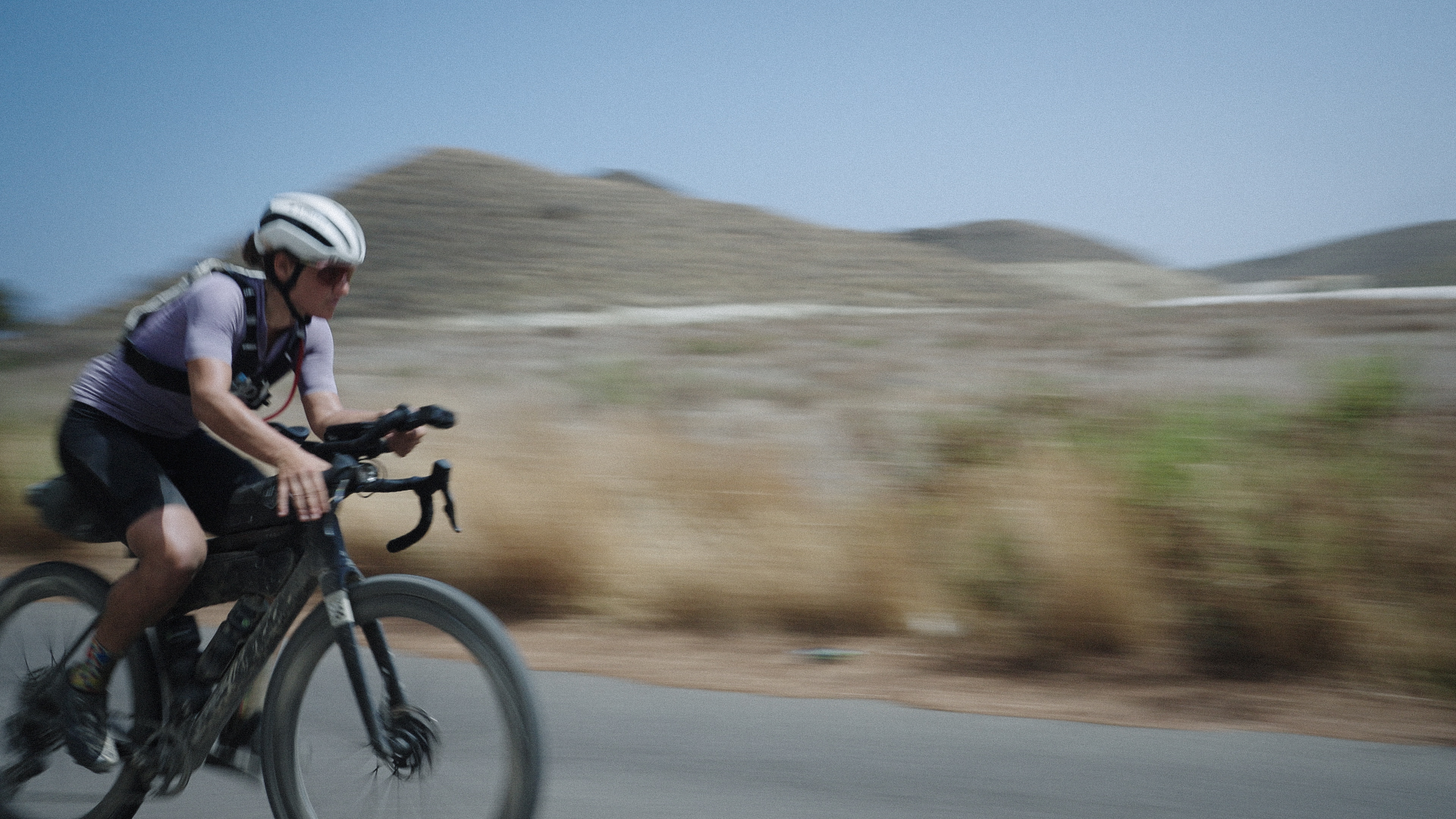
I lost Nathalie.
Following the route, I eventually got stuck in a ditch. My little French ride wasn’t built for an adventure like this. After piling rocks and dry twigs under the wheels, I managed to rock the car out of the hole, but I couldn’t go any further. Turning back wasn’t an option – there was no way my car could climb the sketchy hill I had just descended. Moving forward meant facing an impassable ditch. I was stranded in an extremely remote area, in the middle of nowhere. I needed help.
The next challenge was finding a phone signal. I found myself hopping around like an idiot on a desert-like strip of land behind the car, holding my phone aloft until a tiny bar of reception appeared. But as soon as I lowered the phone to make a call, the signal disappeared. I repeated the ridiculous dance, and when the signal returned, I yelled into the phone from below. Rafa, a Badlands team-member, suggested I head to the nearest farm to look for help. When I reached the farm, there was a note on the door. It read,
Vengo pronto. He llevado a uno al hospital.
In English: “I’ll be back soon, just took someone to the hospital.”
I waited for hours, but no one showed up.
Finally Julian, an older gentleman out for a walk, appeared. After some small talk (he seemed thrilled to have someone to chat with), I convinced him to help me. First, though, he insisted I visit his house. He lived with his wife in a cave house, which was fascinating. The front looked like a normal home, but inside, the structure extended deep into the rock behind the entrance. Julian enthusiastically explained how the temperature remained constant throughout the year – naturally cool in the summer and warm in the winter. If I hadn’t been in such a rush, I would’ve gladly stayed to learn more. He even offered me a beer, but I had to decline. With a shrug, he said, “Alright.”
We went to his makeshift garage, where he fired up his old Toyota 4x4 pickup. A black cloud vomited out of the exhaust and the engine coughed itself to life. The truck had clearly seen better days. We chugged along the path toward my car. Julian talked non-stop – about his time working in Switzerland, his pension, trips to the seaside, and how much he preferred the quiet of the countryside over the hustle of city life. Meanwhile, I was on edge. The sun was setting, and I kept wondering where Nathalie was.
The Toyota handled the ditches with ease, and by the time we reached my car, it was nearly pitch black. Julian hooked up my little Frenchy to a rope and towed me through the ditch – and two more after that. By the end, my car was covered in mud, looking like it had just survived a rally through the Masai Mara in the rainy season. But I was free!
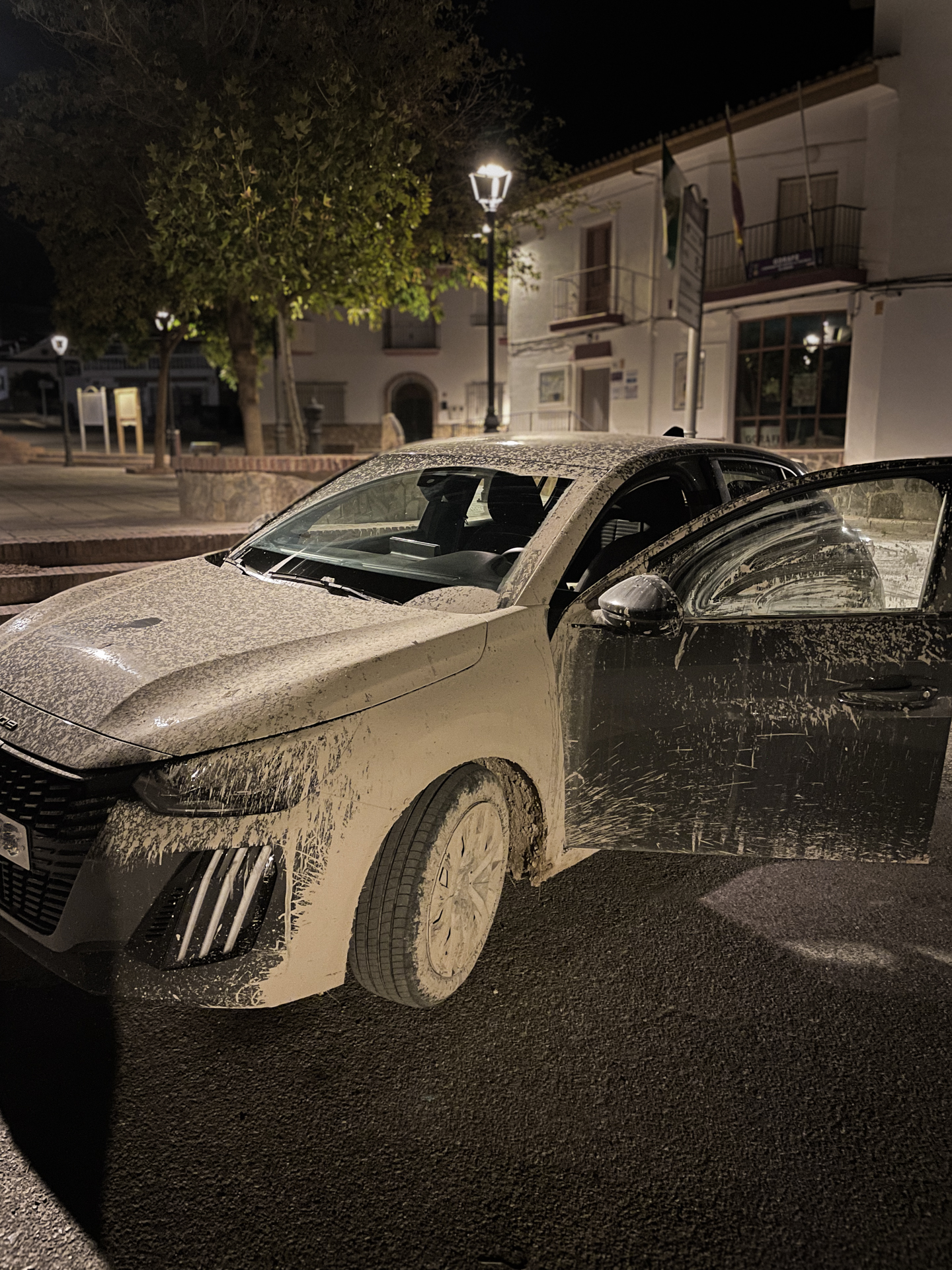
With a few hours’ delay, 50 euros poorer, and a car making ominous noises, I was finally back on a road to Gor. Sometime late at night, I arrived. Once again, I missed Nathalie. She was already on her way to Lucainena de las Torres and there I stood, with my little adventure behind me, among some twenty riders, drenched in dirt and sweat, eating my patatas bravas and chugging down a Coke.
I reached Lucainena around two in the morning. The street lanterns were still on in this tidy little village in the middle of nowhere. I wandered through the empty streets, listening to the distant chirping of cicadas, and eventually tried to catch some sleep in the car.
When I woke, an old lady was standing next to the car, staring at me – or maybe just at the car itself. It was clear that Frenchy, my car, didn’t quite belong in this pristine town. Still caked with clay, mud, and dirt in every crack and crevice, it looked utterly out of place. I stared back at the woman, and she startled, taking a step sideways before shuffling off. I sat down at the bus stop on the other side of the road, lit a cigarette, and looked over at Frenchy. I couldn’t help but smile and shake my head slightly in disbelief at what had happened the night before. As I stared at the car, I had to admit – she didn’t fit in ................................................ then again, neither did I.
After a quick car wash to make us a little less obtrusive, Nathalie finally arrived. She was absolutely drained, having ridden all night, and was desperate for food and drink. We met at the only café in Lucainena, a small, inconspicuous place, and downed some coffees. Nathalie was still in race mode, her focus razor-sharp on pushing forward and making it into the top five. There was no serenity in her and I could feel it seeping into me, making me restless and off she was once again.
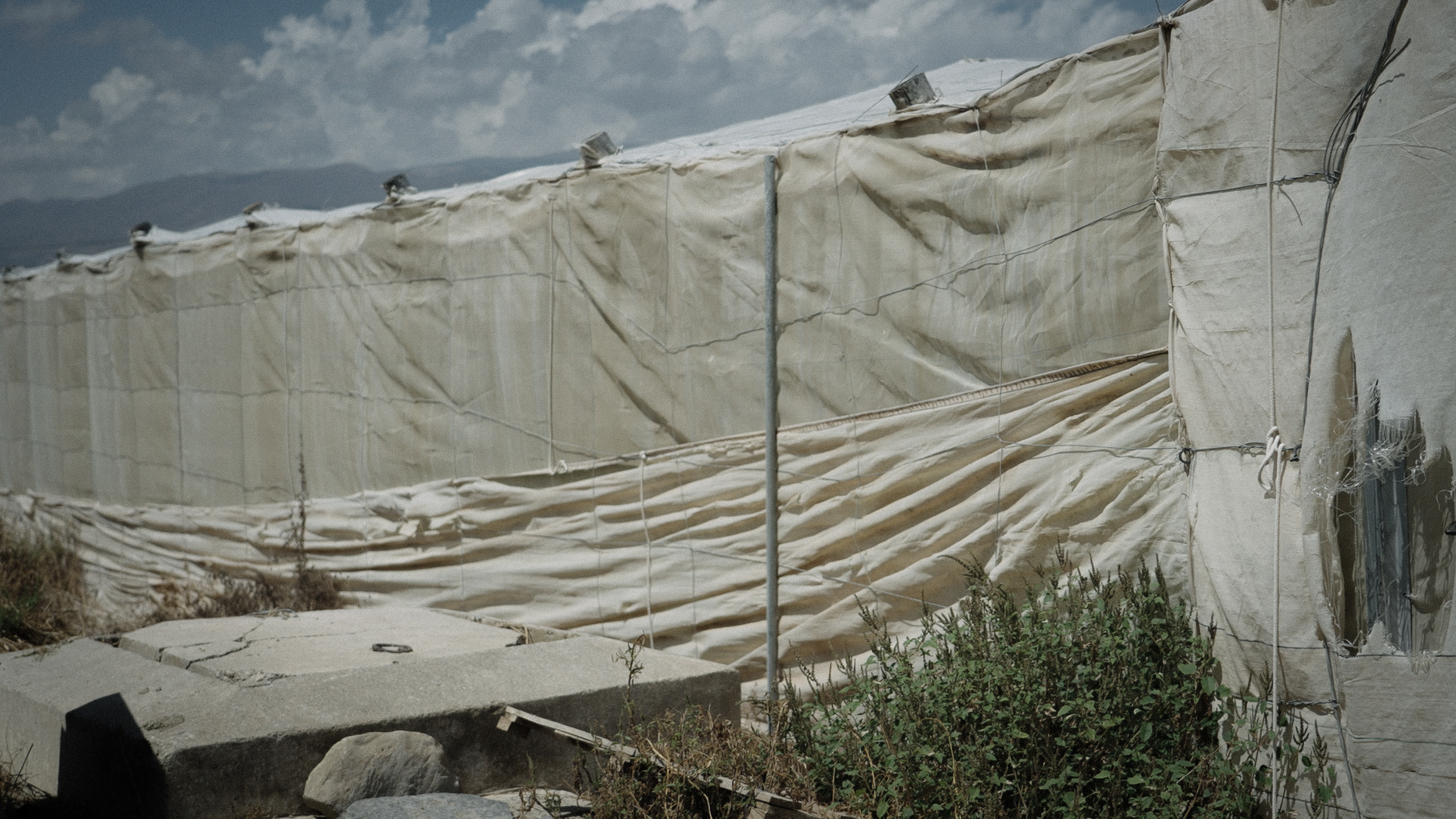
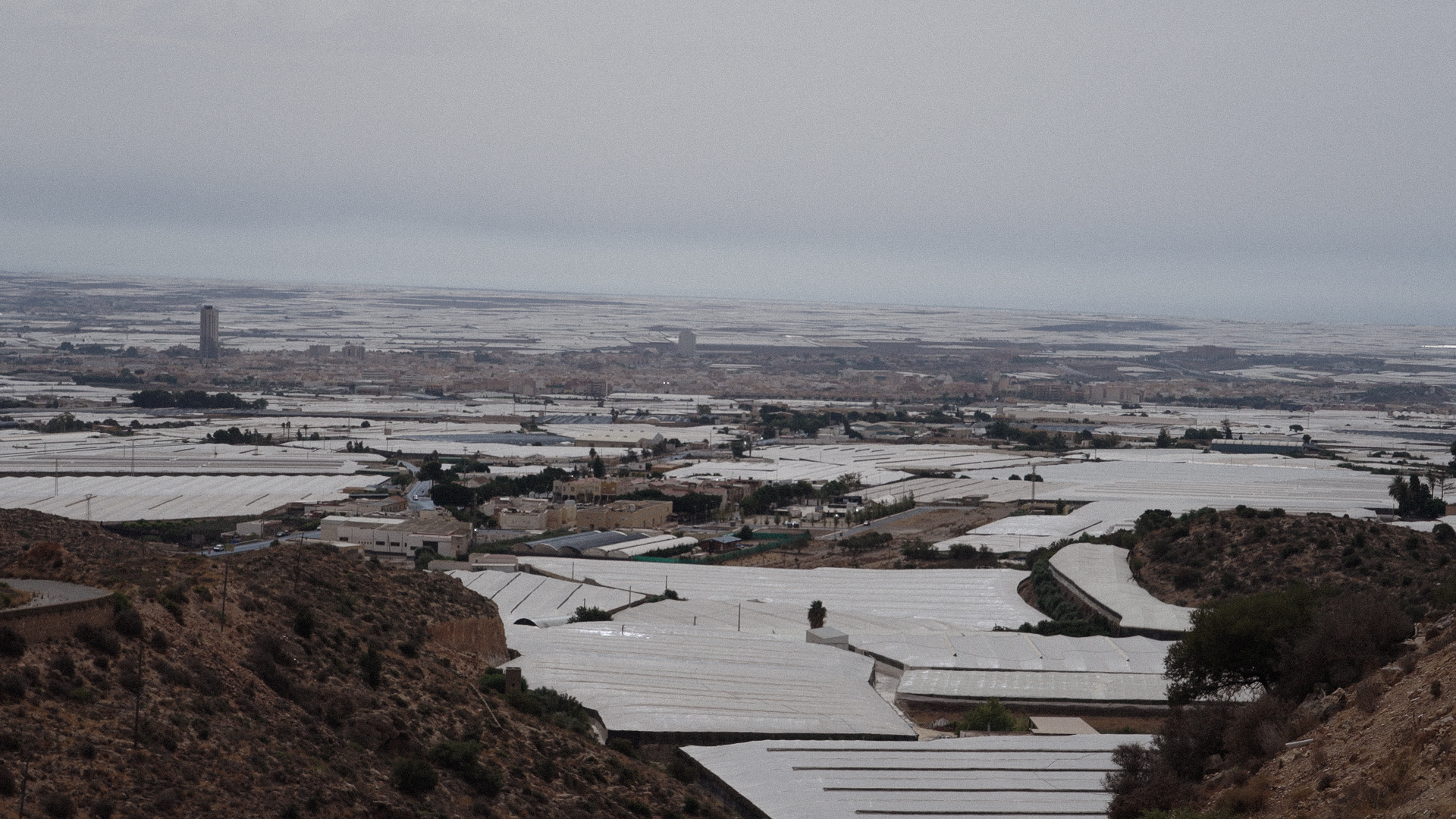
Our paths crossed a few times on the way to the coast. In the intervals, I took the opportunity to film b-roll and document the increasing number of greenhouses along the route. These structures became more numerous the closer I got to the sea. This represented the other side of my story. I wanted to juxtapose the Badlands race with the broader issues of ecological degradation due to climate change, rural migration, and the controversial practices of conventional farming, which have left a profound and often disastrous impact on this region. This angle was the missing link and a great part of the framework of the film to elevate the narrative beyond “just another bike race.”
This issue had already been addressed by David on the Badlands website. It’s a subject deeply embedded in the event he curates. His efforts focus on shifting the mindset of the riders, engaging the local population, and offering incentives for change that promote sustainable tourism, creating income opportunities while emphasizing the scarcity of resources in the region. His message is simple: we must do our best to act responsibly. Bringing attention to this issue could reach a wider audience and raise awareness, especially in regions like mine, where these challenges feel less immediate. It’s also about examining what we eat and where it comes from. We’ve become so accustomed to abundance that we often forget the immense effort – and cost – it takes to sustain this luxury. Yes, it is a luxury – one that comes at the expense of the climate, water, land, and human lives.
The fact that this region of Spain has built an industry capable of producing around seven harvests a year to feed those of us in the north is staggering. This is a region battling water scarcity, deforestation, and countless other challenges, not to mention the extreme exploitation of the people working on these plantations. The greenhouses themselves, covered in plastic sheeting, stretch for kilometers. They create a dystopian landscape, with plastic fields extending endlessly, strips of plastic flying through the air, entangling themselves in tumbleweed, or simply littering roads and fields. It’s a scene straight out of a bleak science fiction film – a stark reminder of the environmental and human cost behind our food systems.
Nathalie passed me in the dark along the beach. I had waited for about two hours, and filming her took about 10 seconds. Then she was gone again. Later, she wrote to me saying that she couldn’t go on anymore and needed rest. She had booked a room in a hotel and planned to rest for a few hours. We arranged to meet in Tabernas for breakfast. That marked her second night on the road and almost 600 kilometers into the race. In Tabernas, I managed to get a warm meal and some sleep in a bed too.
The next morning, we met at a café. Her attitude had undergone a transformation. After realizing that racing Badlands was no longer an option, all the pressure she had been carrying vanished. She leaned back in her chair, smiled, and said,
“Now I can simply enjoy the ride.”
While crossing paths again on the way to Capileira, I saw a happy and relaxed Nathalie. 67 hours into the race, she crossed the finish line at 3:30 in the morning on the third day. Except for a team member from Badlands who presented Nathalie with her medal for successfully completing the race, I was the only one there to greet her. At this time of hour, the town was otherwise silent and deserted. Nevertheless, it felt strange to be alone, with no finishing committee to celebrate her arduous journey.
That didn’t stop her from opening a small bottle of Schnaps, which she had carried with her throughout the race – a ritual she had maintained in every race she had ever participated in. She took a sip, then realized that finishing the bottle would knock her straight off her feet.
Finish.
The race was over – at least for Nathalie, for me, and for everyone I had met over the last few intense days. We spent a few days relaxing in Capileira, watching random riders cross the finish line to cheers and applause. During this time, I wrapped up my final interviews with Nathalie and David before heading back to Granada.
There I was, once again, with plenty of time to kill and reflect on the past few days and the situation with my father. I planned to take my time driving to meet Silvia Quarta for the second part of the film, making a stop in Almería along the way. Silvia is an environmental scientist who coordinates restoration camps in the backcountry of Murcia. She lives with a group of students, scientists, and alternative farmers on the farm La Junquera, devoted to regenerative production methods.
In Almería, I had a chance to relax and try to write down my thoughts. I didn’t find it easy, as I couldn’t quite figure out what I was feeling or what I should be feeling. My final farewell was to deliver a short speech at my father’s funeral, which was to take place shortly after my return from Spain. I started by writing down the first memories that came to mind – those that meant something to me or had left some impression during my childhood with him. There were a few. I chose the ones that weren’t too serious. Later, his wife tried to forbid me from speaking at the funeral. She insinuated that I might say something bad about him.
What a stupid person! I didn’t give a fuck what she thought and delivered my speech.
Frenchy and I set off in the morning for La Junquera. It was a beautiful two-hour ride, giving me more time to think since the radio had stopped working somewhere in the desert a few days earlier. I tried to take in the views and my surroundings, but my mind kept circling back to the idea of never seeing someone again. It’s not as if you have a choice – it’s simply, and unavoidably, never again. Never again. This is how the cycle of life works. It’s not unique to me. It’s no different from what friends who’ve lost family members go through. So why am I making such a fuss about it? Am I making a fuss about it? After all, he had a long life. It reminded me of a passage from Szczepan Twardoch's book The King of Warsaw:
{ And when Moryc Shapiro was no more, it was as if he had never existed. There remained those who remembered him, but he had disappeared as if he had never existed. Nothing remained, only the body, and the body disappears too, soon enough. It began to disappear as soon as he died, because the body is only the order of matter, and this order ends in death. From nothing to nothing. }
From nothing to nothing ............................................... thinking.
.
.
.
.
Inhale … exhale. I am almost there.
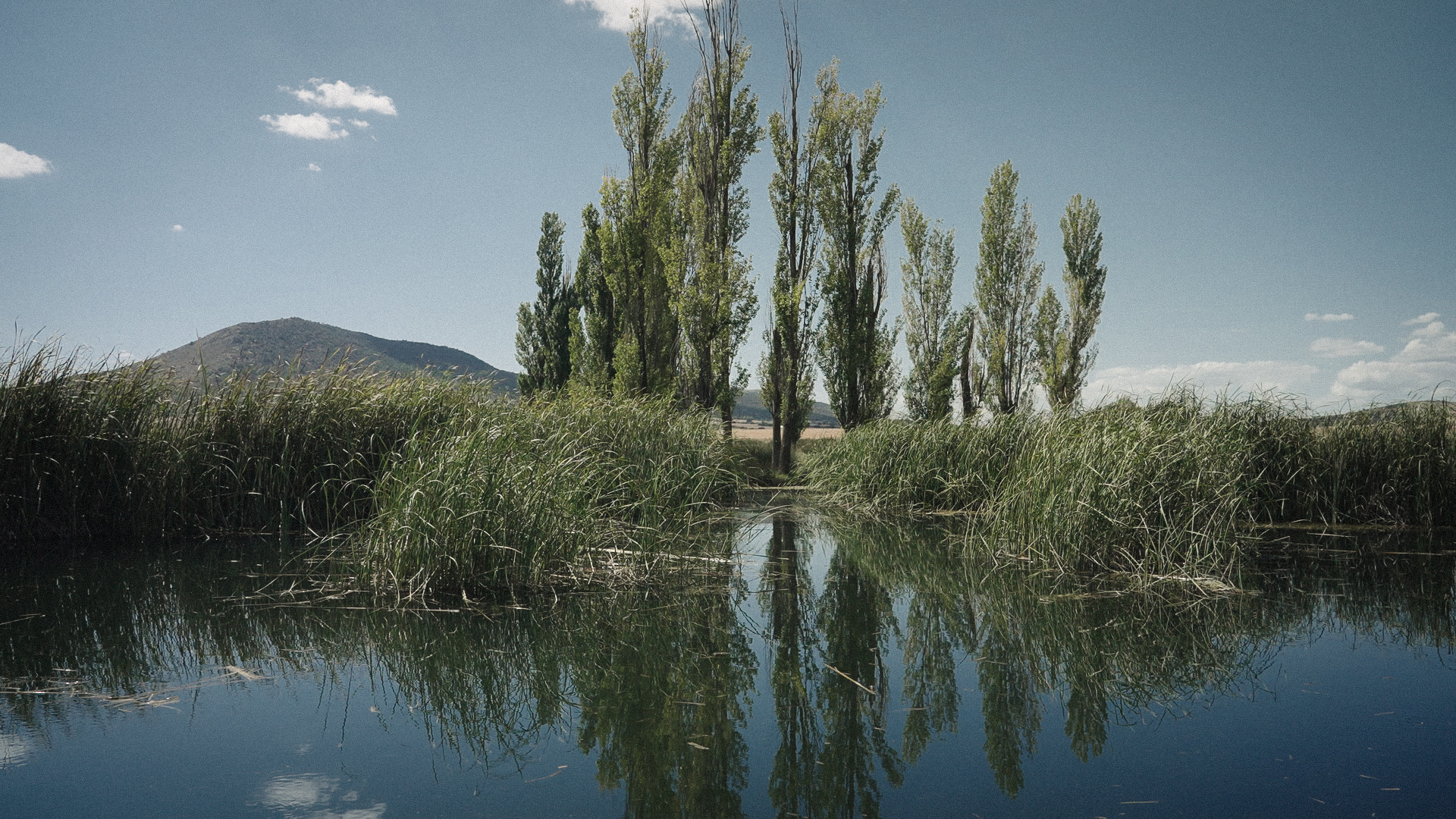
La Junquera.
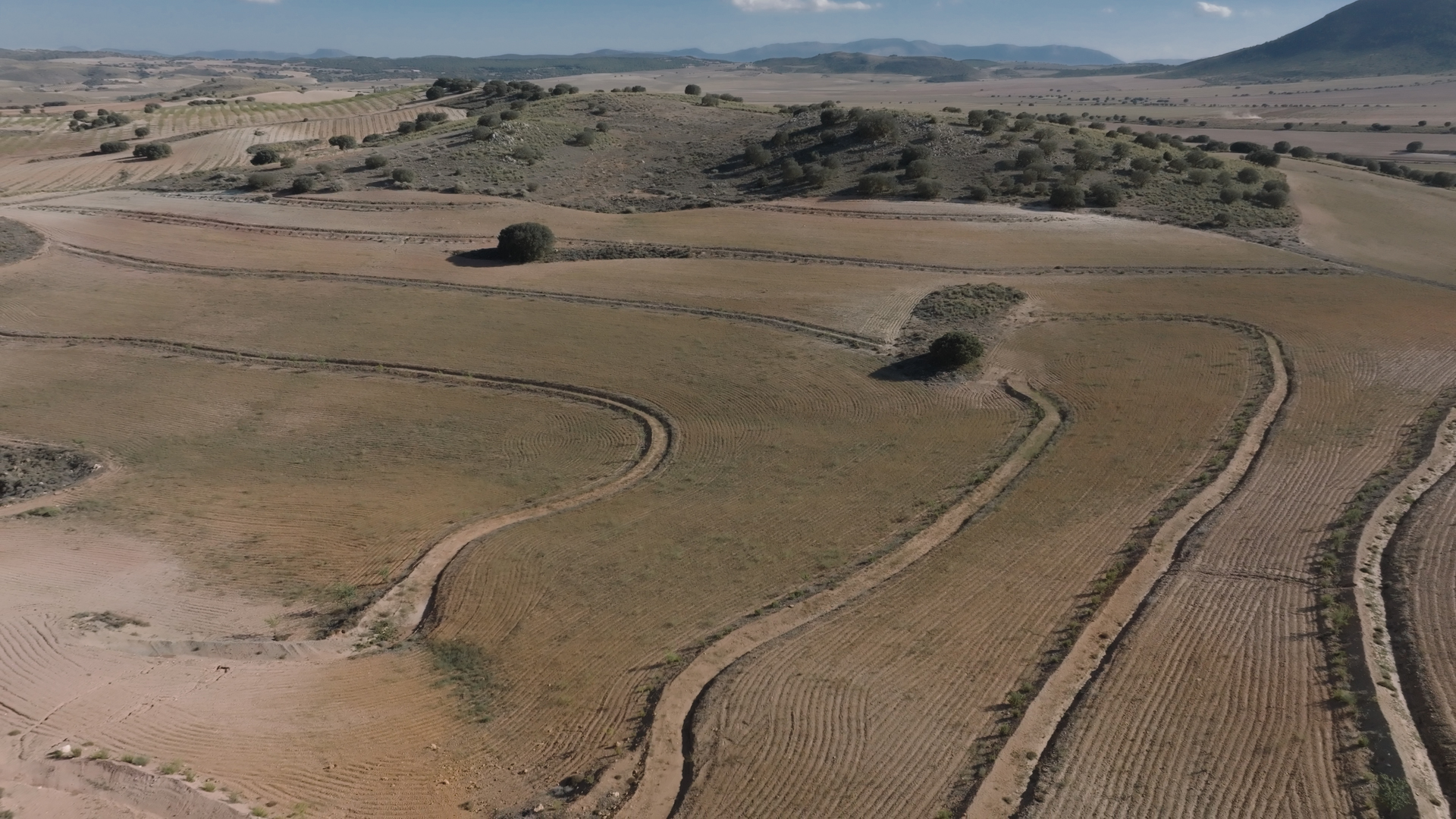
The landscape here is so different from that of the Badlands race, with its sharp edges, aggressive steep climbs, and dusty, rocky trails. Here, the soft, stretched hills gently flow over the ground, inviting and slowly embracing one with a feminine allure. I imagined riding my bike here.
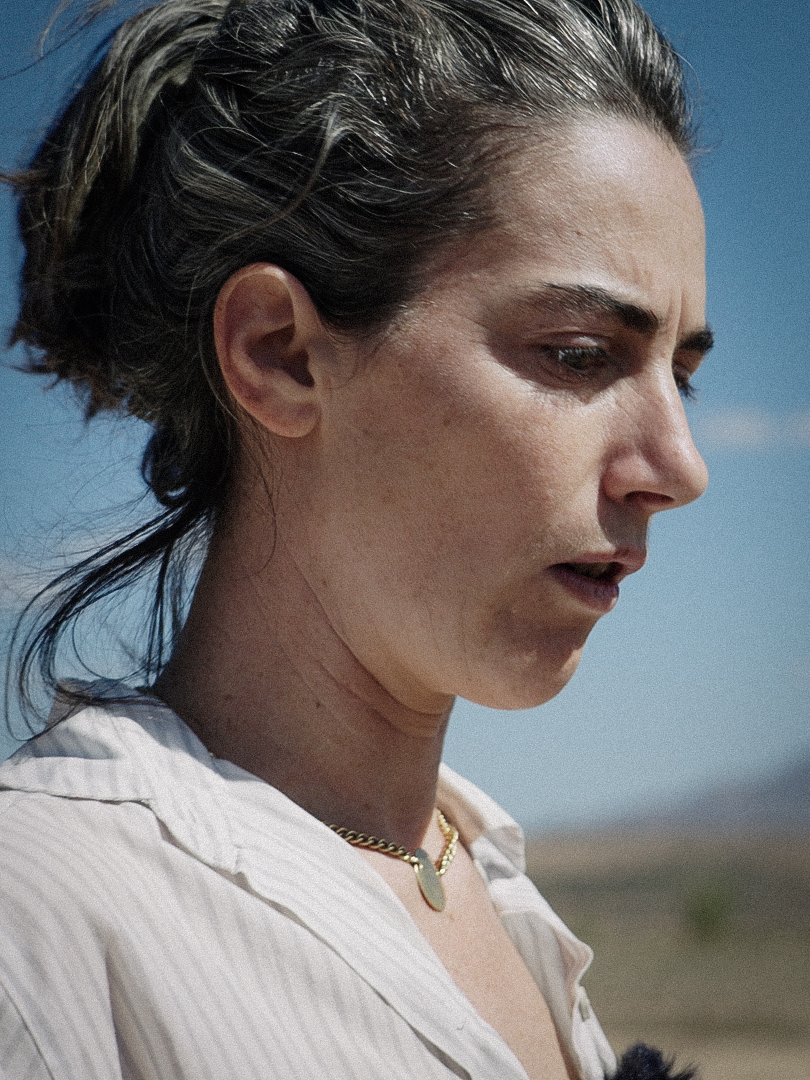
Silvia, a young, self-assured woman with an attractive charisma and broad academic knowledge, welcomed me warmly. She drove me around in her pickup truck – nearly as old as the one Julian had used to pull me out of my dilemma – and showed me the vast stretches of land that belonged to the farm.
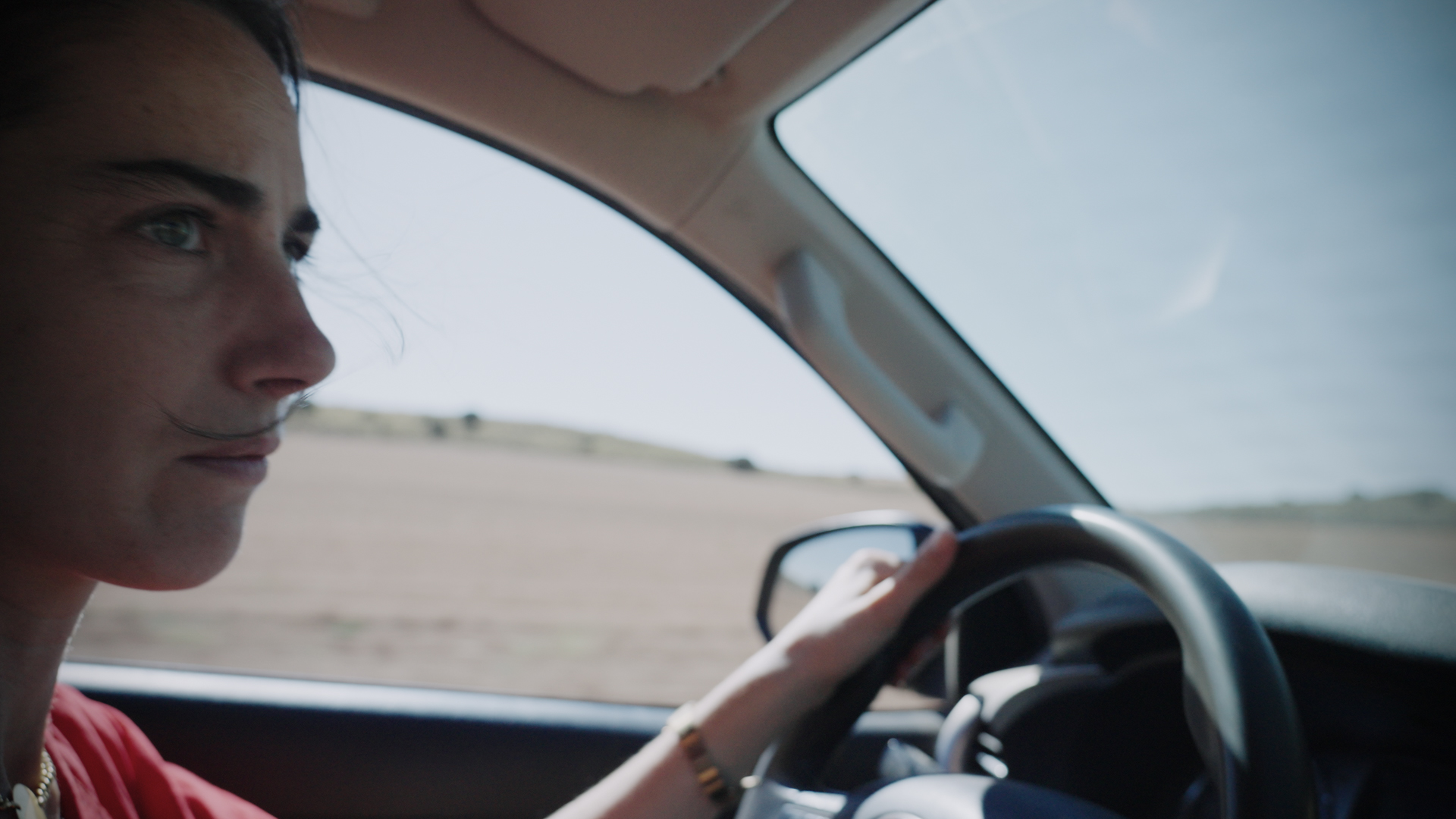
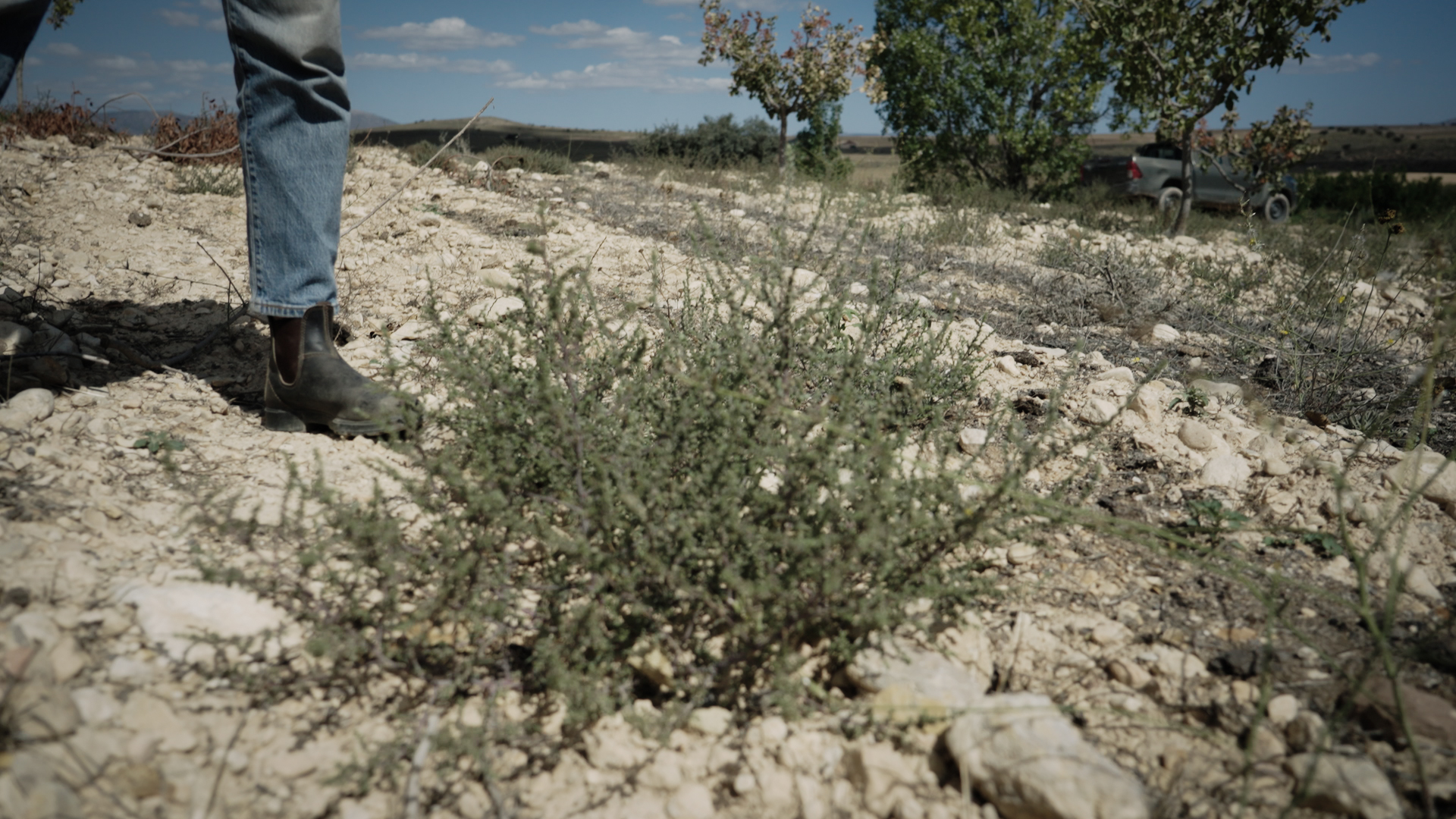
We stopped at fields that, to my untrained eye, looked like ordinary farmland. Silvia, however, began describing them with subject-specific terms that rolled off her tongue as if they were everyday jargon. I struggled to keep up. I had so much to learn and only a short time to do so. I have to admit, I felt overwhelmed.
But as the day went on, things started to click. I began to understand the differences between conventional and regenerative farming. I learned to distinguish between different forms of fields, and I grasped what swales were and why they were so important. Silvia explained why fields benefit from being bordered with protective plants, and I started piecing together her lessons. I’m simplifying things, of course, but I began to see the bigger picture.
In addition to the effects of conventional farming, the semi-arid region and climate change take a heavy toll on the soil, making it difficult for trees – or anything else, for that matter – to grow. Restoration was the overarching goal: restoring the ecosystem through reforestation programs, cleaning the rivers, and teaching the local population to adopt regenerative methods as an alternative to the destructive conventional farming practices that had persisted for generations.
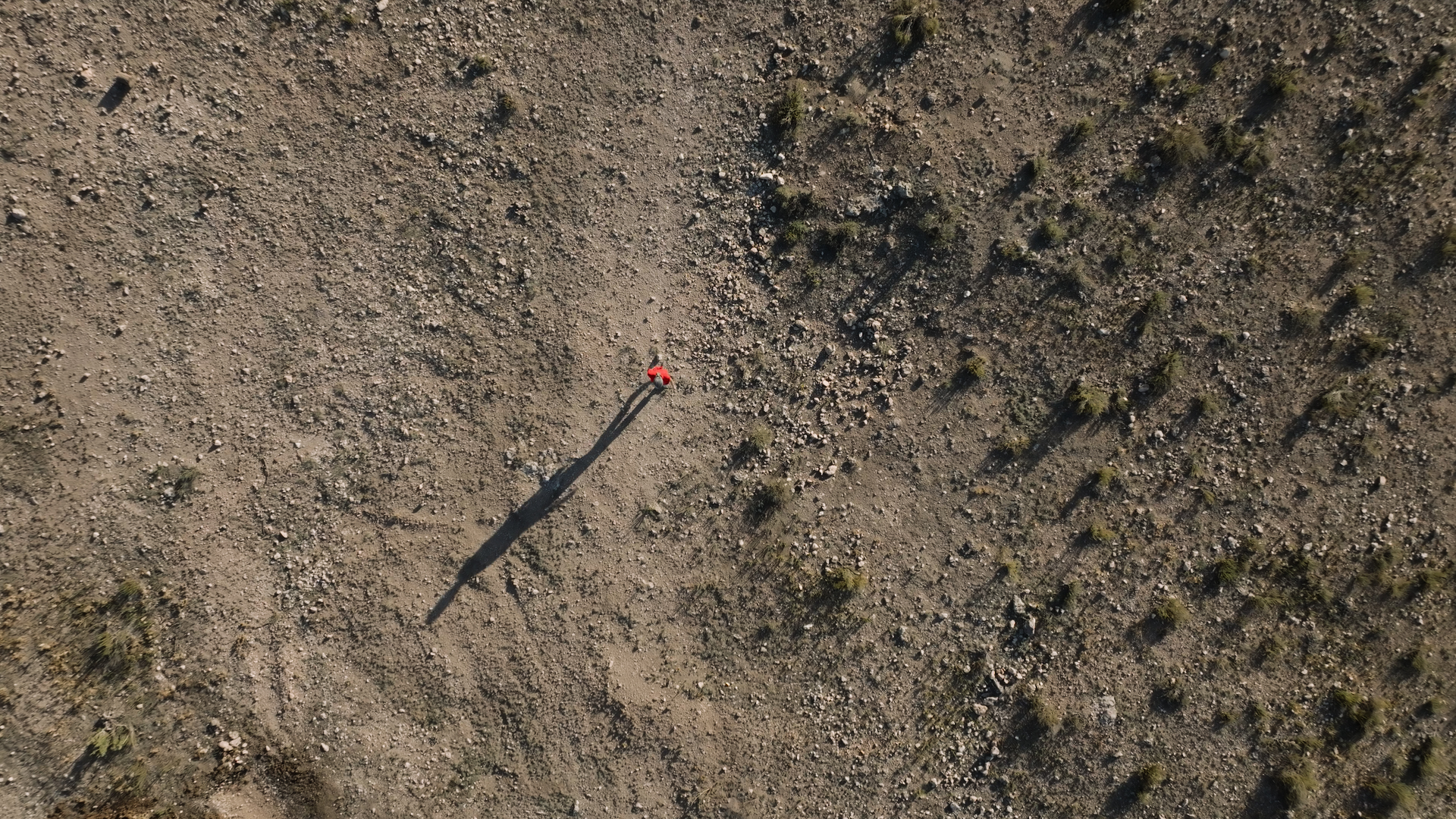
We took the time to follow the river – in Central Europe you would call it a stream – from its source near the farm, heading eastward. Starting as a fresh and clean spring, it winds its way through fields contaminated by pesticides and past a pig factory farm that blatantly dumps its slurry into the water. Finally, we stopped where the “river“ dwindles to almost nothing. Whatever little reaches the next village is undrinkable and toxic. Changing this is a mission Silvia is determined to tackle. However, it will take years and significant effort to persuade both the local population and the regional government to support making a change.
After a long day, Silvia invited me to have dinner at her place. Being Italian, she prepared pasta with tomato sauce. It might sound simple, but it was anything but. It was really really good – not just because of the incredible variety of tomatoes grown in their enormous vegetable garden, but also because, well, she’s Italian. Her cooking talent, the right use of spices, and her touch truly made the dish.
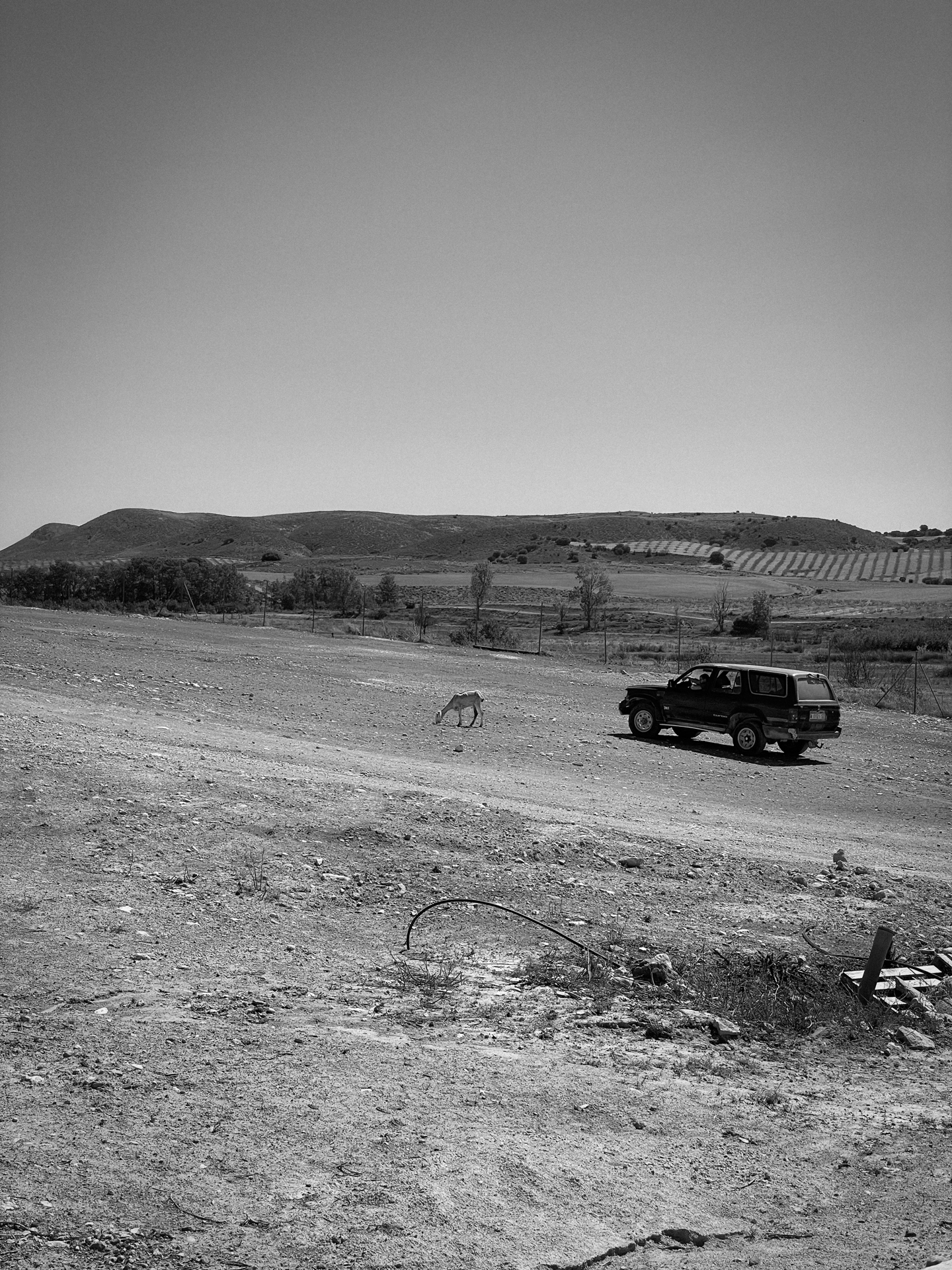
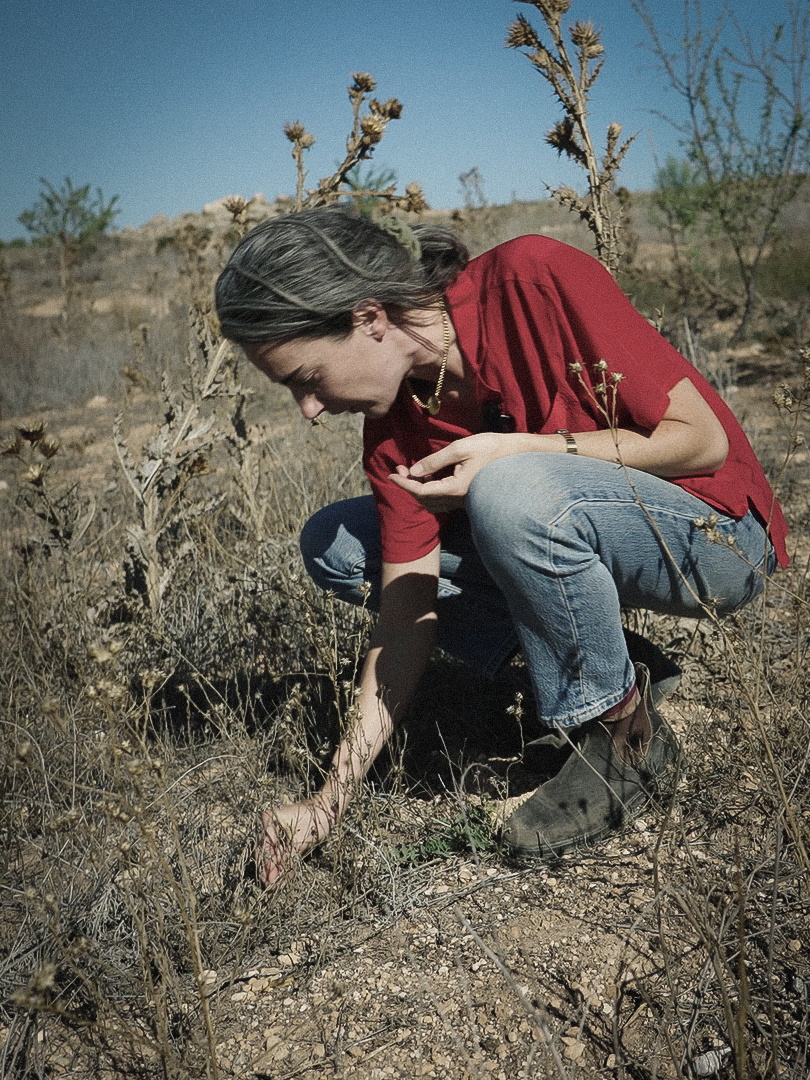
My time here was coming to a close.
I had gathered all the material I needed to finish the film. In a way, I always feel melancholic when projects like these come to an end. It almost hurts. The story concludes, the cover closes, but a part of me always wishes it could go on. Being out there, meeting people, experiencing new situations, and learning new things enlightens me. I am deeply thankful for these moments – thankful to those who let me into their lives, who share conversations, show me their ways, and help me understand new solutions. I admire those who give their best to change situations so grave in our lives; it always inspires me to reflect on my own actions and reconsider my choices. It’s a privilege, and that makes me even more grateful.
I will miss it. I miss it.
I had made a kind of deal with David: my participation at Badlands in exchange for his last interview. Of course, he would have given the interview anyway, as it was part of the film, but he looked at me with a sly grin and said,
"Ok, Michael. You’ll come next year and ride Badlands.
Then I’ll give you the interview. Promise?"
That was the push I needed to commit to something I’d long dreamed of doing but had always been extremely intimidated by. I promised.
Me, riding the Badlands route. What did I get myself into? .............................................................................. Oh shit.
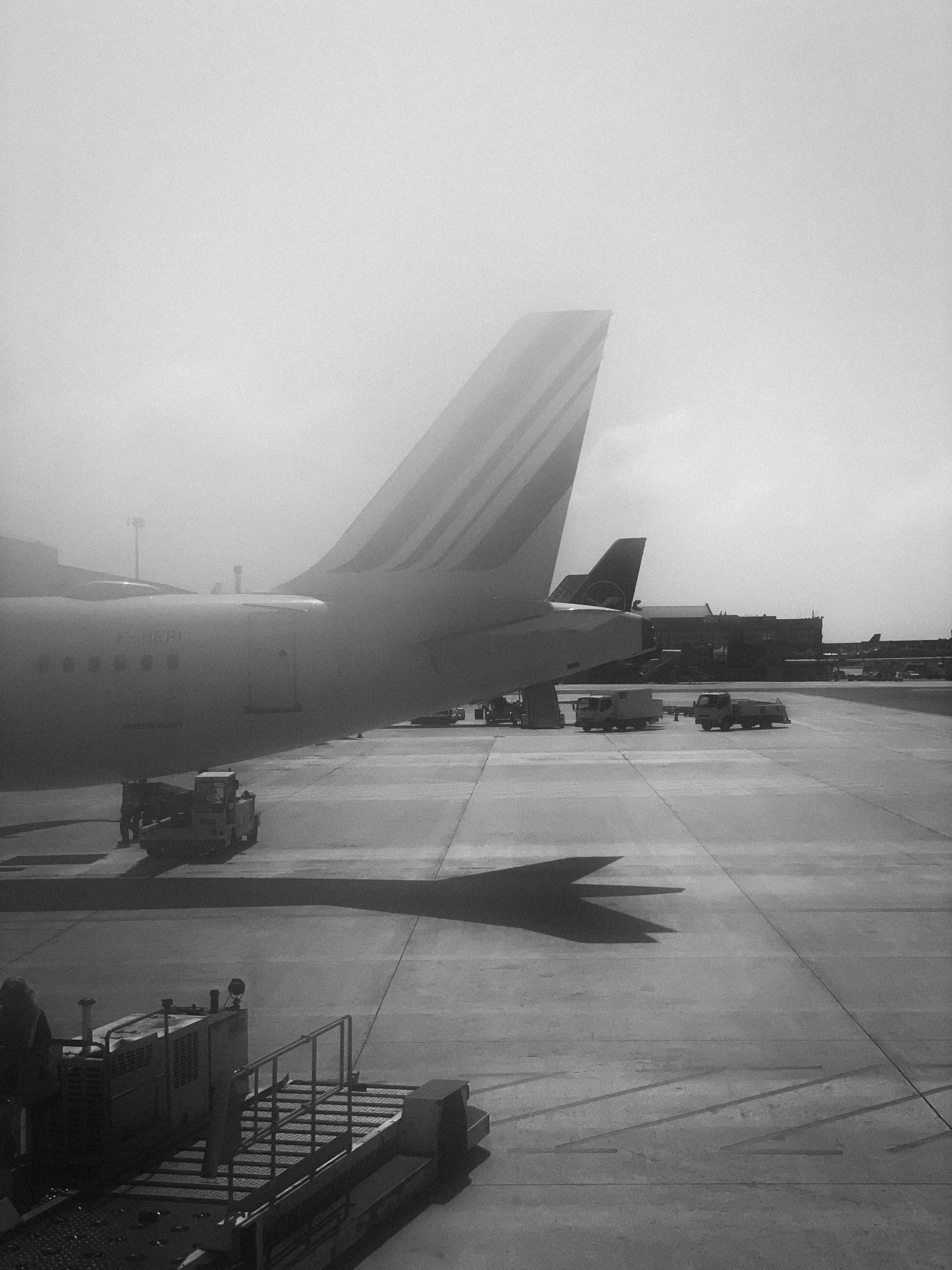
I dropped Frenchy off at the airport. She didn’t look so good anymore, but the folks at the car rental didn’t seem to care – though I have to admit, I was a bit worried they might. Before I knew it, I was sitting on the plane, flying back home. I took one last look at the rugged landscape below before we headed out toward the vast blue unknown.
A few days later, I found myself at the funeral. It felt surreal in its own way. A picture of my father hung above his urn. Why on earth had she chosen that photo? And what was I even doing here? I felt completely out of place – disconnected from a reality that didn’t feel like mine. It seemed to have nothing to do with me, my understanding of life and death, or anything familiar.
The whole scene felt like Salvador Dalí’s painting La persistencia de la memoria. Of all things, that painting probably best captured my feelings at the time. ......... Time .......... Clocks. An unconscious symbol of the relativity of space and time – a surrealist meditation on the collapse of our notions of a fixed cosmic order, as Dawn Adès interprets Dalí’s work. Maybe I was hallucinating this bizarre, almost dadaist moment. I wasn’t really there. Or was I?
Inhale … exhale. It’s almost over.
I sat there, forced to listen to some bullshit the funeral speaker recited, based entirely on what my father’s wife thought was true. So much of it felt wrong. So much of it was wrong. So much said didn’t make sense. Are we talking about this guy who used to be my father? Oh well. It’s over now. This chapter is closed. It’s time for me to leave it all behind.
Back in Switzerland, I relived the moments I had experienced in Spain. It was refreshing – my digital Camino de Santiago – and it occasionally gave me goosebumps. Everything came together:
I finished the film, it went on air, and I am proud.
In September 2025, I’ll return to Spain, riding through the Gorafe and Tabernas deserts. I’ll revisit stages I experienced in 2024, obviously from a different perspective. This journey will be a path of rediscovery, while the quaking memories of 2024 ricochet between my ears.
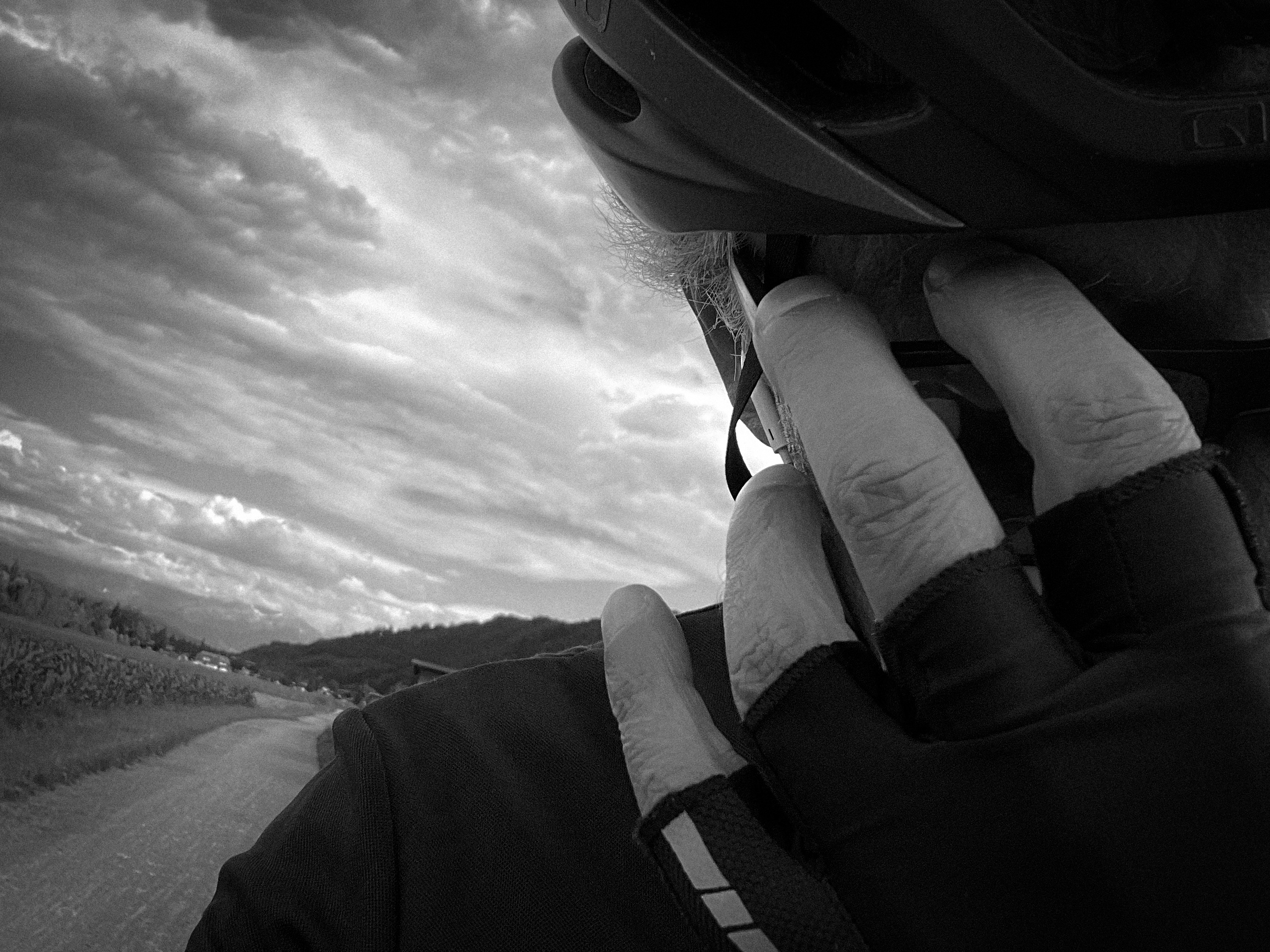
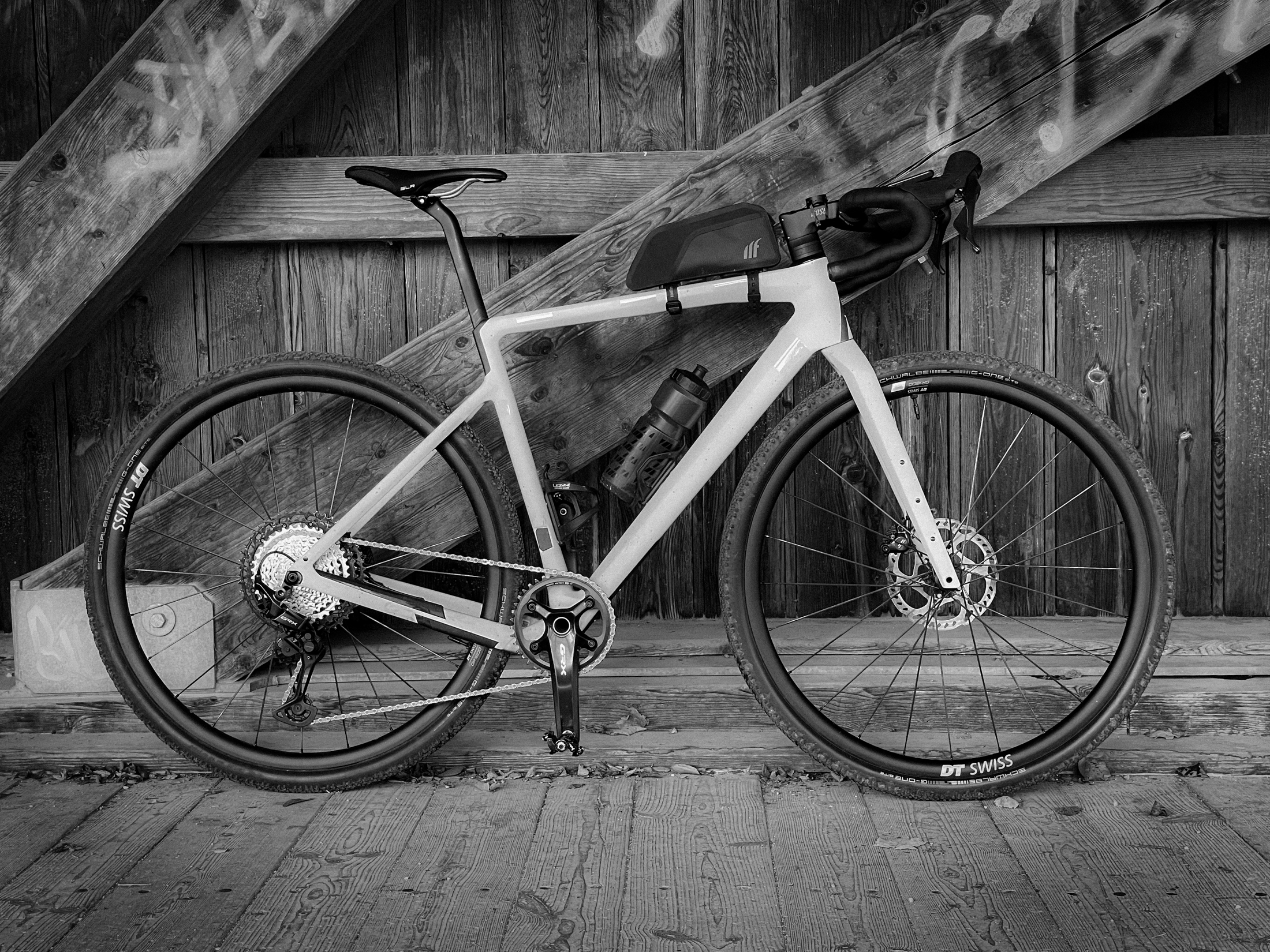
I’ll take the ride as it comes – my "Camino de Badlands". A deep dive into my gargling egos as I ride along the Mediterranean Sea, claw my way up ridiculous hills, and curse – curse like I’ve never cursed before – at myself for getting into this crazy adventure.
But I’ll be happy ..................................................................................... and maybe, just maybe, I might even smile ..........................................
fin.
Michael Philipp beobachtet.
©2025-2030