2. September 2025
Outback Spain
Alcublas … What is Alcublas? A town? …… oh,…… where is Alcublas?
Alcublas is a small town between the Turia and Palancia rivers, long tied to farming and livestock. Even its name carries mystery: some say it means “midday” or “town hall of the people,” but the most accepted idea links it to alquibla, the direction of Mecca. This theory connects Alcublas to Abu Ubayda, a Valencian astronomer from the 9th–10th centuries who specialized in mosque orientation. It’s possible he carried out his observations in the area, which may have given the village its name.
Centuries later, Alcublas found itself in the middle of the Spanish Civil War. In 1937, the Republicans set up an airfield on the Balsilla plain, with shelters for soldiers and civilians, and trenches dug around the Sabuquera Cave. These were part of a wider defense system to protect Valencia, which was then the capital of the Republic. Many of these wartime remains can still be seen today.
After the war, the Franco years brought a wave of migration to the cities. Alcublas lost much of its population, a trend that continued through the 20th century. Today, only around 600 people remain, though the village still carries the weight of its history in its name and its landscape.
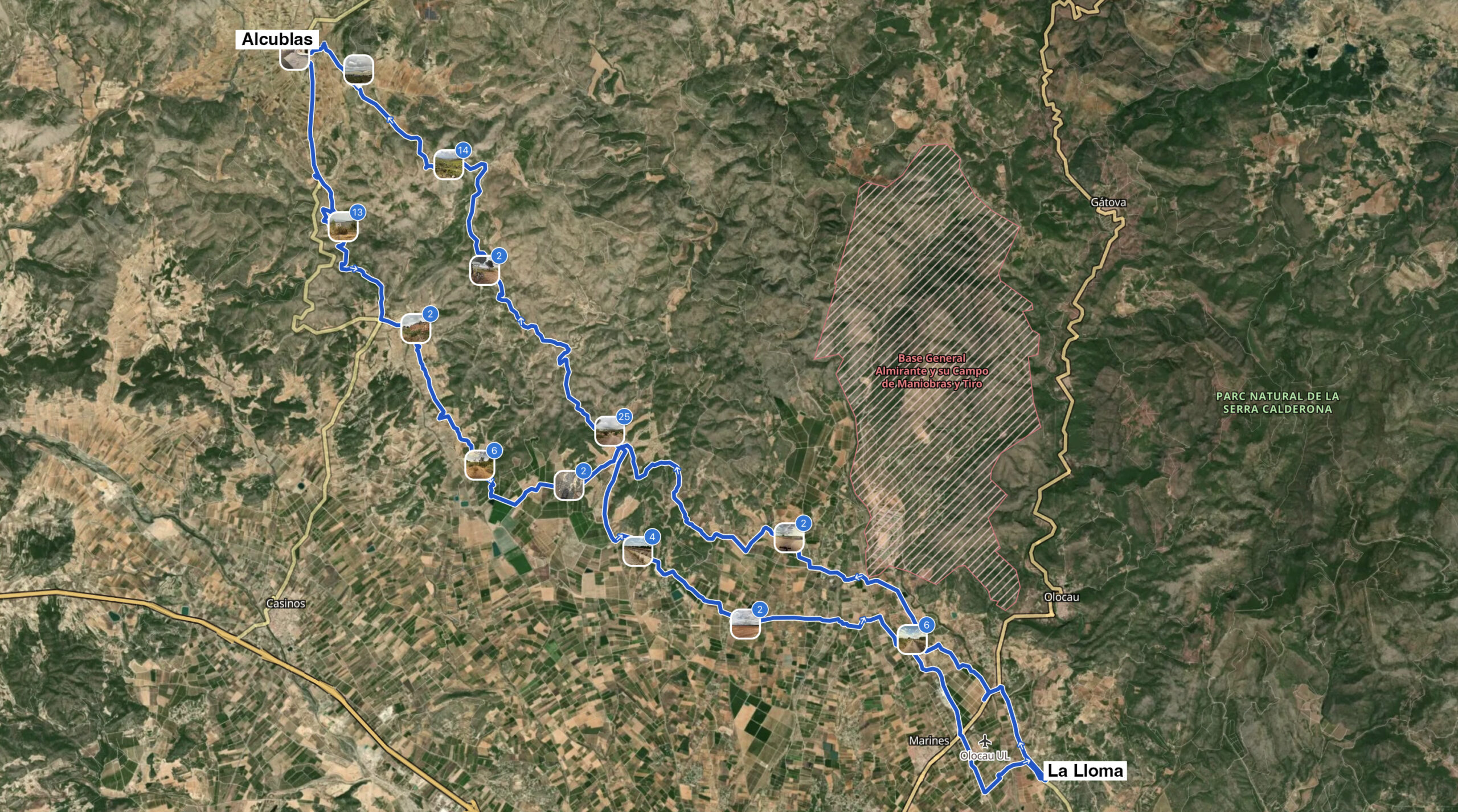
I had originally planned a ride from Olocau to Andilla and back again. A clean round trip of around 100 kilometers with about 1,700 meters of elevation. But things change, and the unexpected takes over. I got lumbago the day before we went to Spain – not the kind that disappears after a day or two. This one was mean. It was here to stay, at least for a while. What began as a tiny twitch while doing something insignificant grew into something that would preoccupy me for weeks.
Still, I decided not to let it ruin my vacation in Spain. After about a week, I got back on my bike.
I changed my route, shortening it to around 60 km with about 1,000 meters of elevation. That seemed doable in my condition.
The night before, I had prepared everything. It felt like I was heading off on a huge expedition. The next morning, I was in pain and almost postponed it.
Thank God I didn’t.
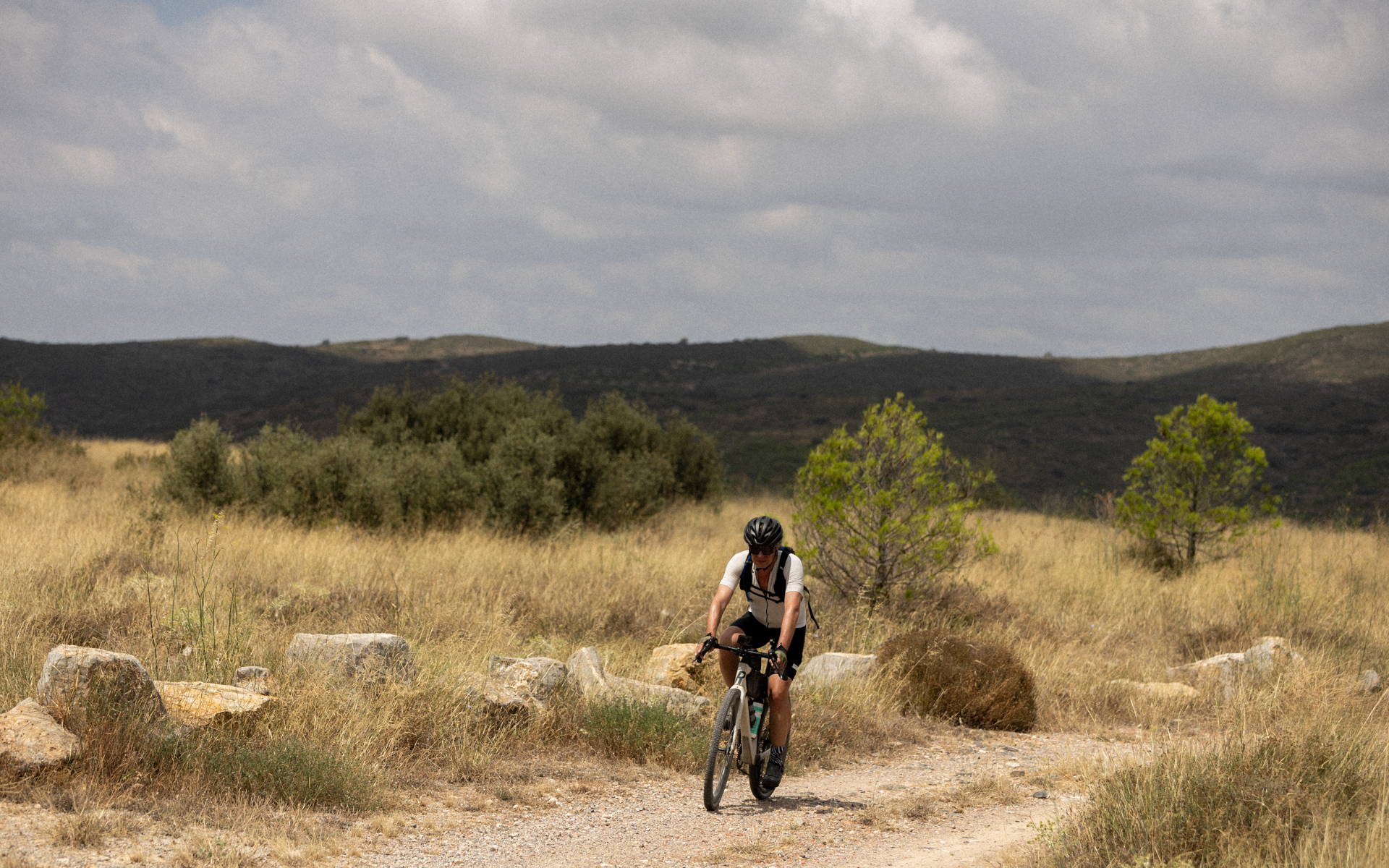
At around nine o’clock I climbed onto my bike, settled into the saddle, and set off down the hill. The feeling was extraordinary – free, painless, simply right. The sun was still low, a bit of mist lingered from the night before, and a beautiful silence draped the landscape as if I were lost all on my own in the middle of nowhere.
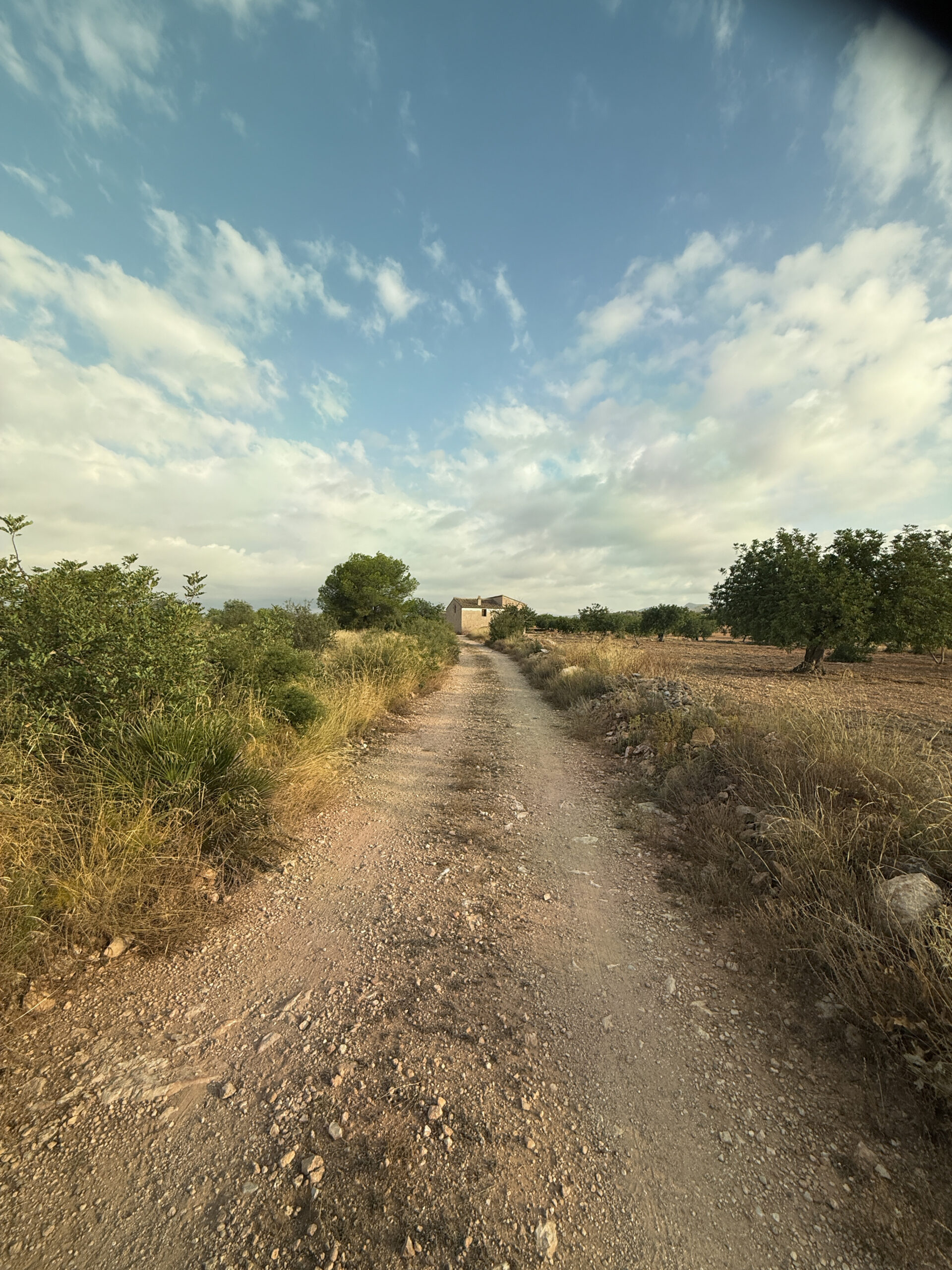
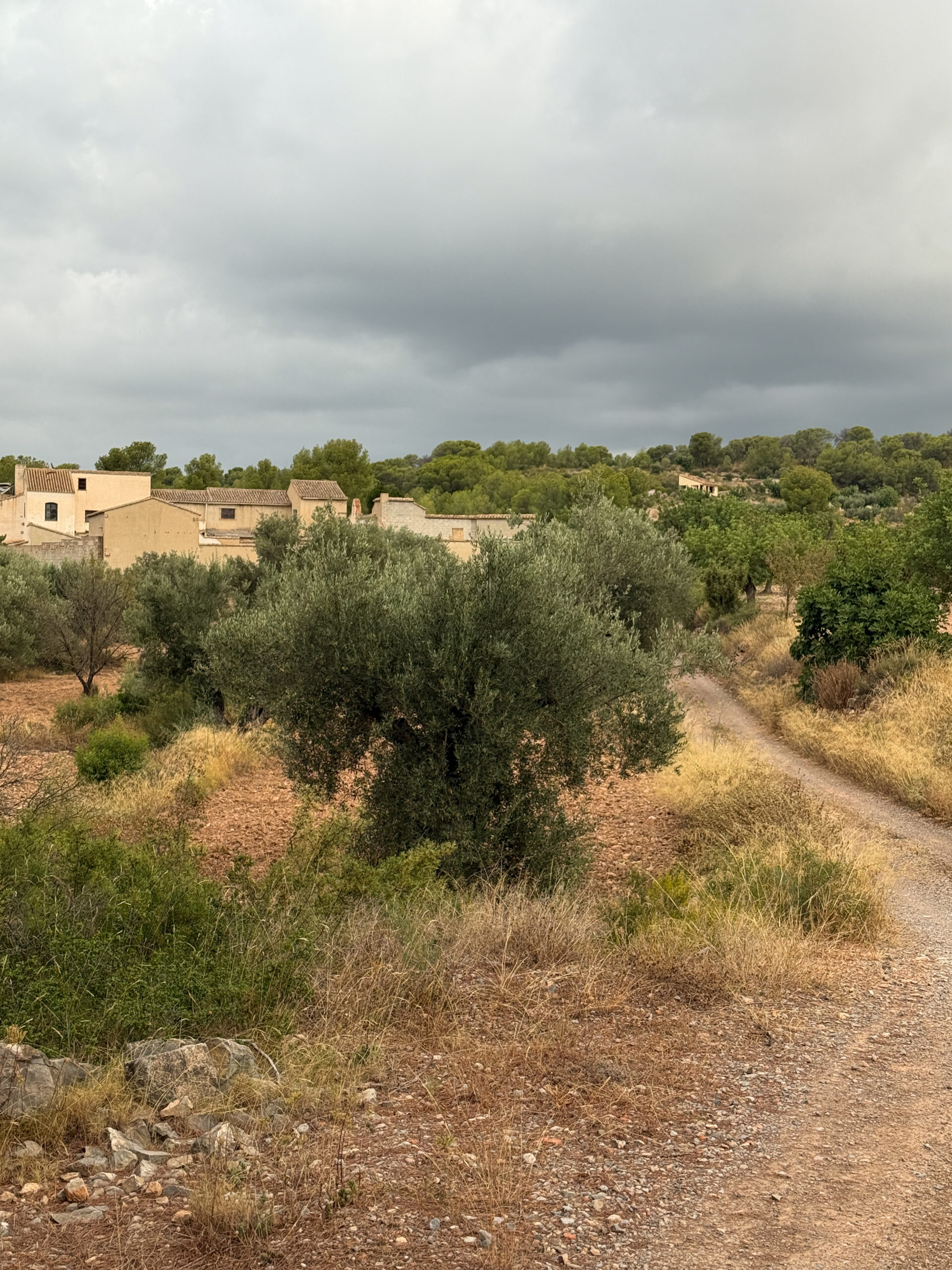
Soon, I was riding over fine gravel paths that left asphalt behind. Olive orchards and dried fields lined the way, and I was completely alone.
Magical.
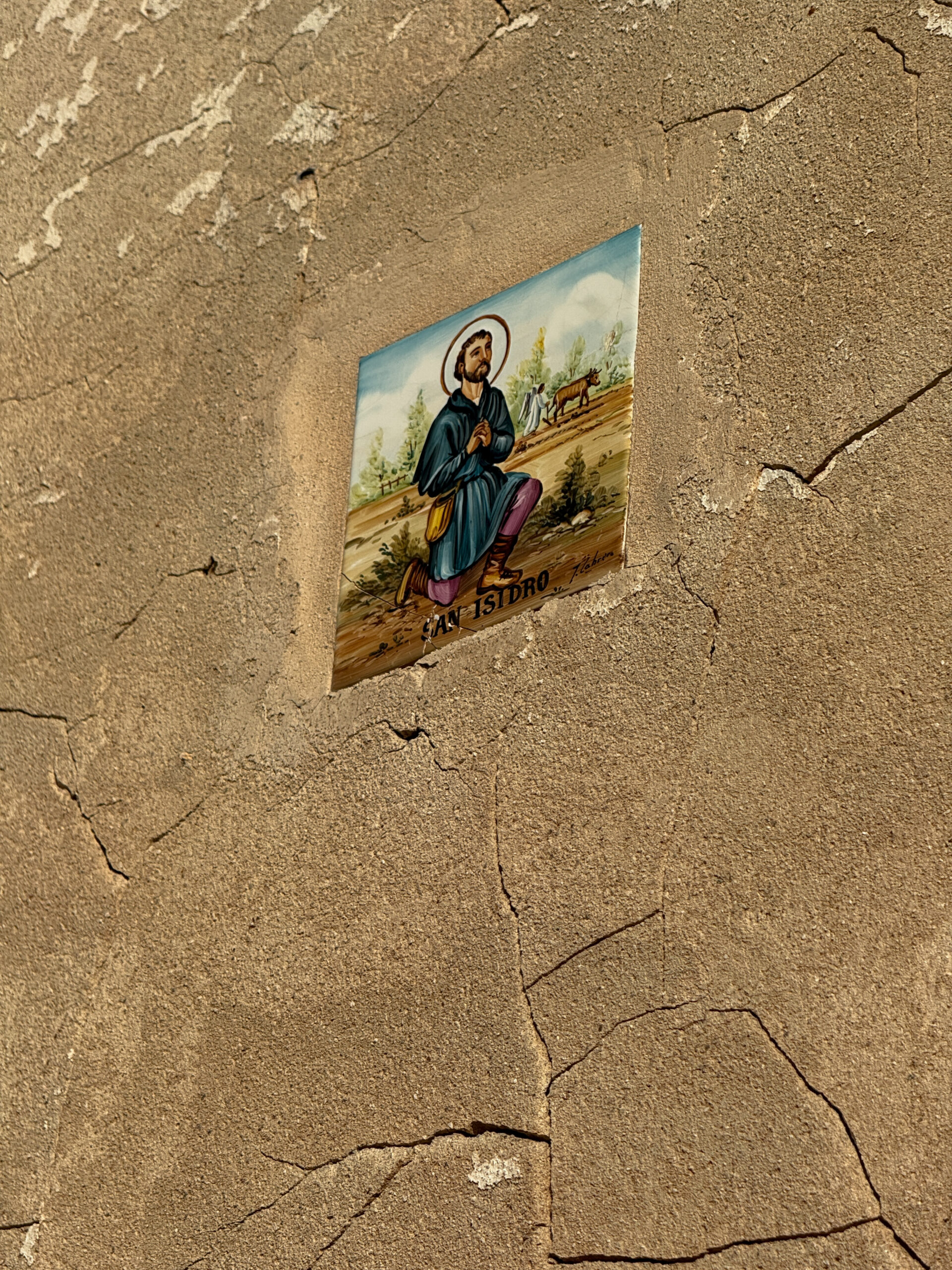
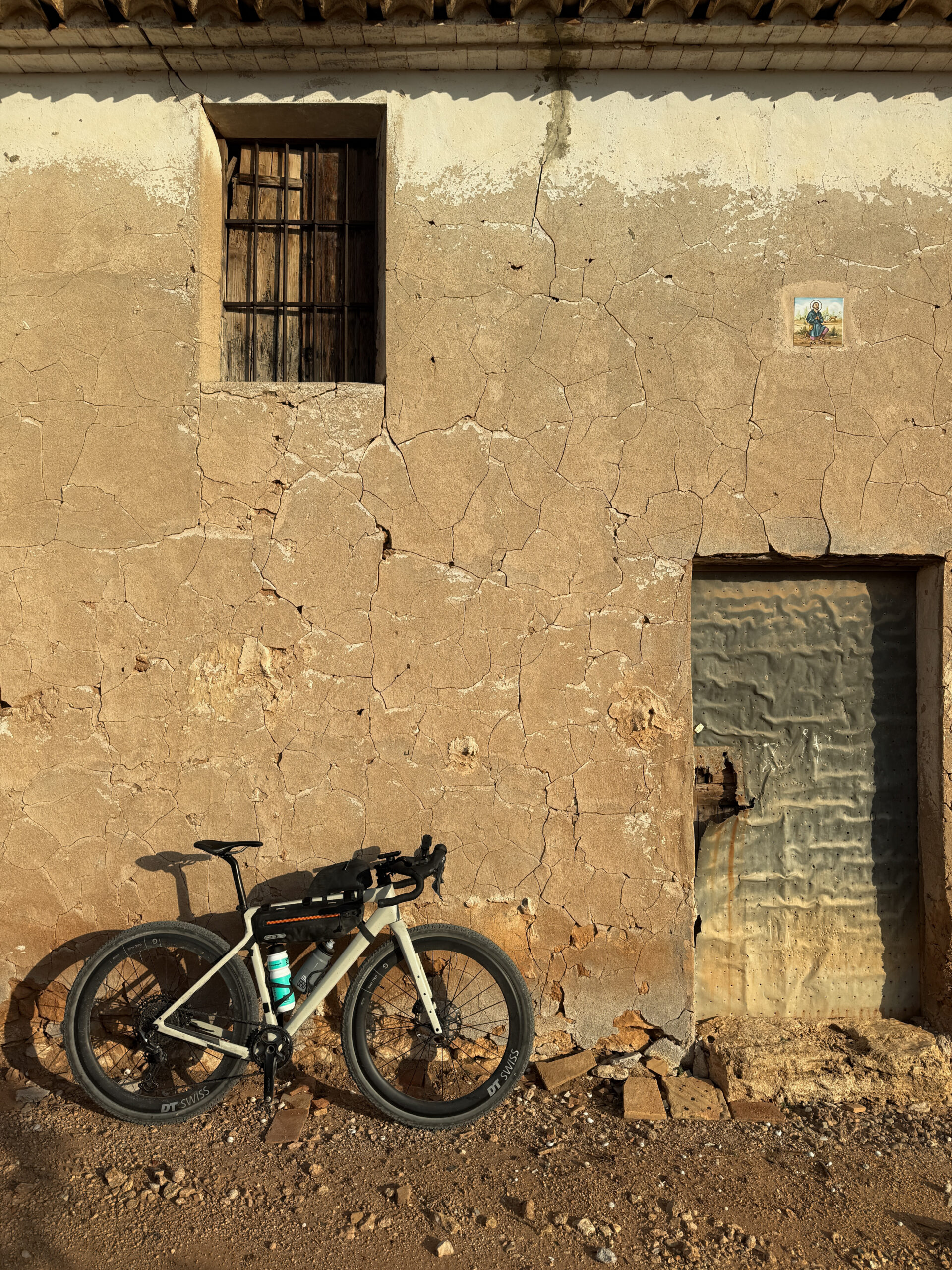
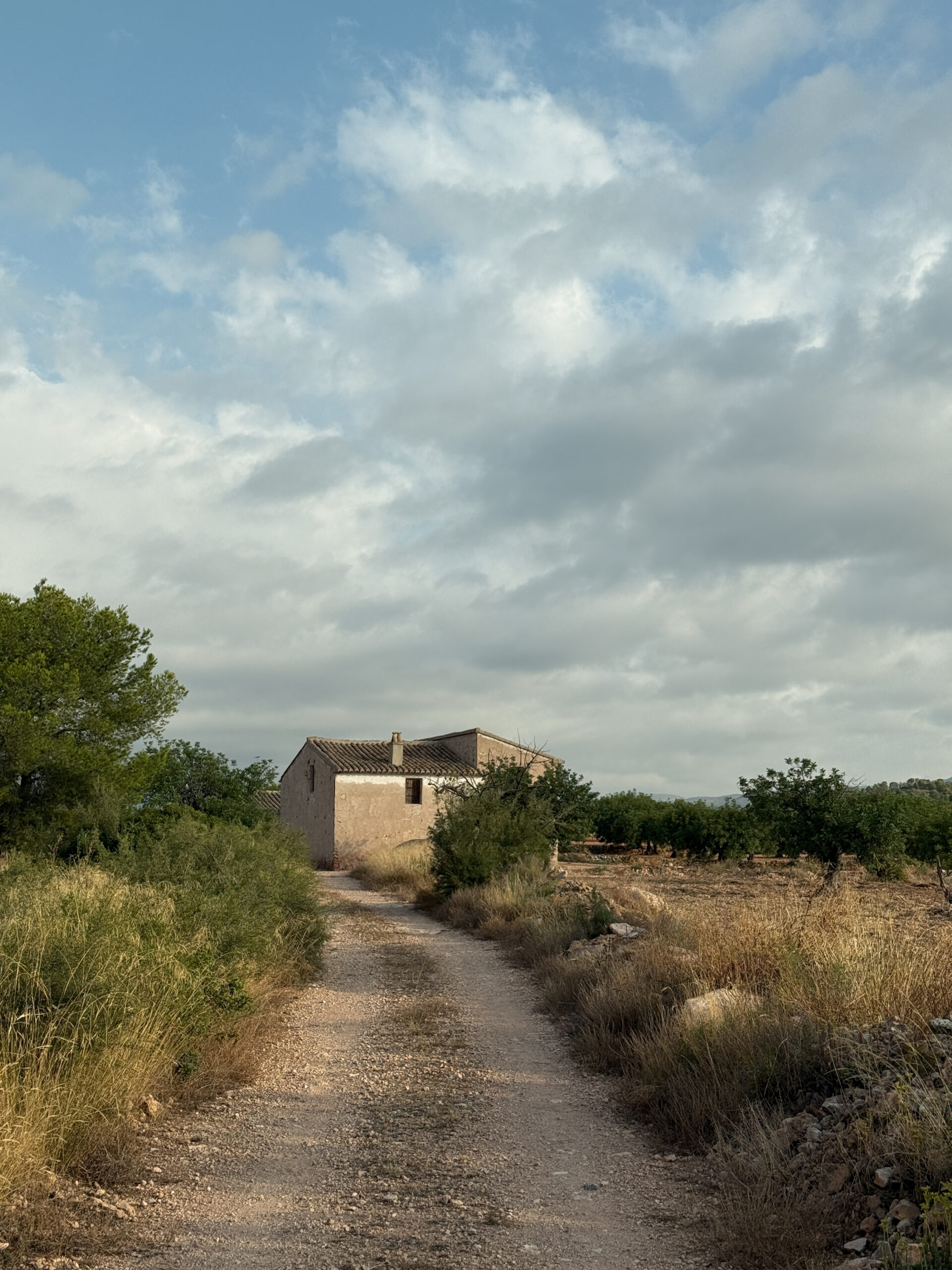
My first stop was at an abandoned house standing in the middle of an orchard. The sun had just risen over a hill, sending golden light across the walls. There, I noticed a ceramic tile with the image of San Isidro. Who was San Isidro?
Curious, I later discovered:
San Isidro, the patron saint of farmers, is deeply woven into the rhythm of rural life. As the old saying goes, “San Isidro Labrador takes away the rain and brings the sun,” because his feast day, May 15, often marks the arrival of good weather. For centuries, farmers and herders have turned to him, not only asking for fertile fields and gentle skies, but nowadays even hoping for fair prices and thriving markets.
Born in 1082 into a humble Mozarabic family, he grew up in Madrid when it was still under Muslim rule, part of the Taifa of Toledo. His family were settlers who helped repopulate the lands reclaimed by Alfonso VI during the Reconquest. San Isidro himself worked the soil as a farmer, serving the noble Vargas family and other landowners such as Francisco Vera. From these beginnings, he became a symbol of faith, hard work, and the eternal hope for a good harvest.
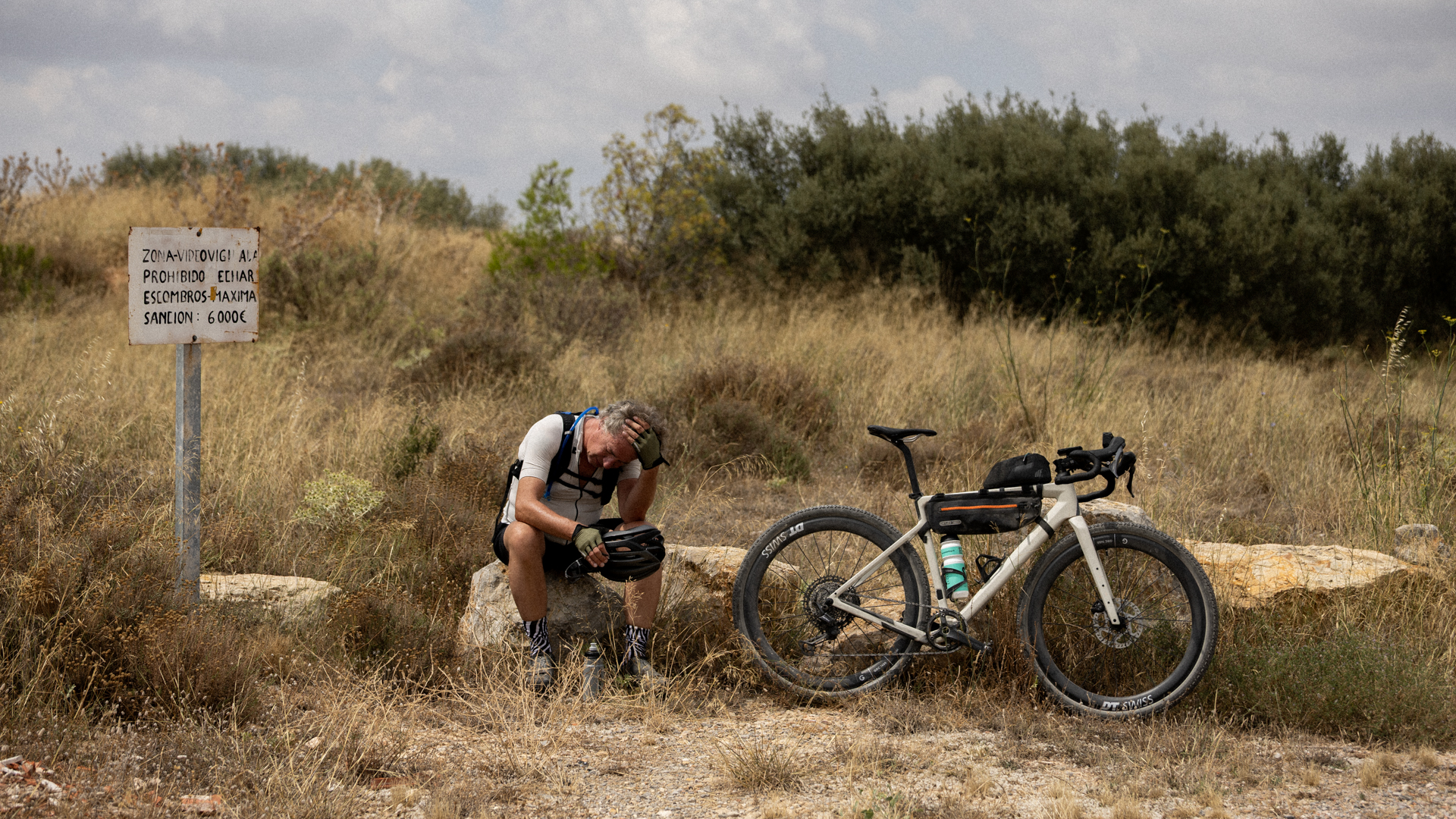
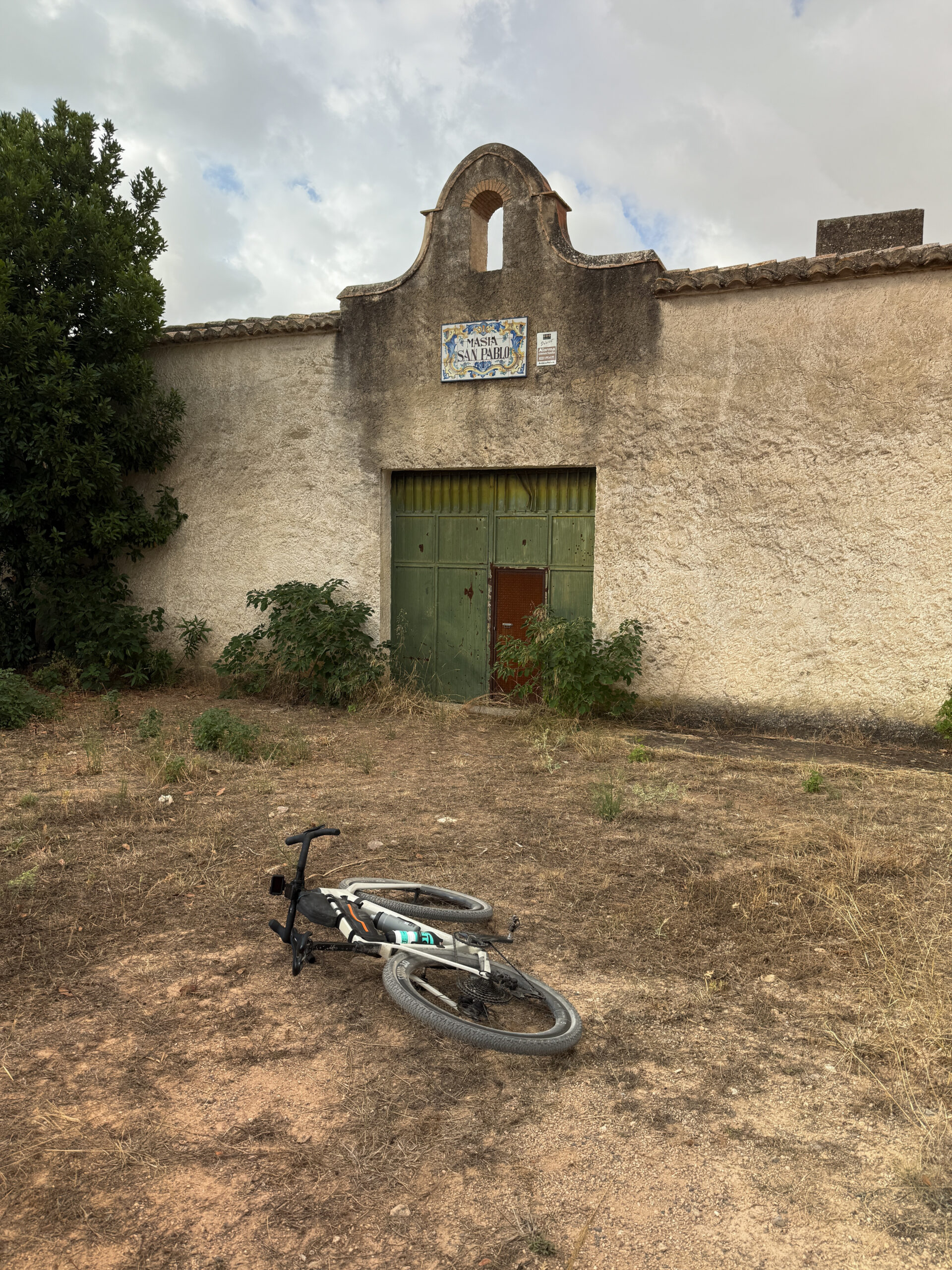
I continued my journey until I reached a place called Masia San Pablo (Masia: Valencian for farmhouse). It must once have been a granja or finca. Abandoned now, it reminded me somehow of the fincas in Mexico, though I’ve never been there.
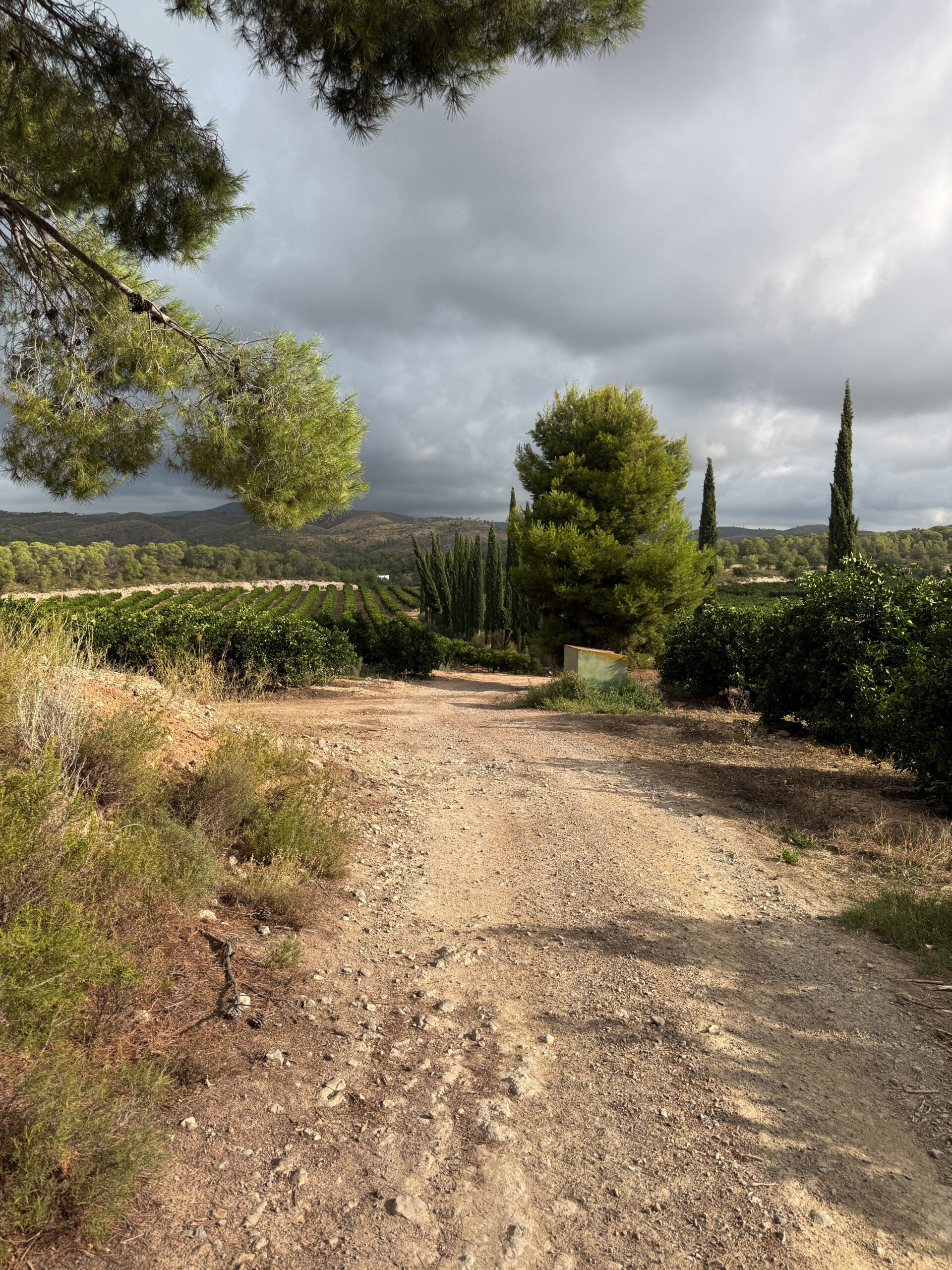
As I climbed higher, I realized how quickly one could leave it all behind – the bustle of human life.
Thoughts of the year drifted through my mind: what had gone wrong, why some people close to me had turned into the opposite of what I had always imagined. People who disappointed and even scared me. I felt attacked and misused, asking myself over and over what I had done to deserve this. A series of events that began making my life miserable, like a domino effect. Not always directly connected to me, but affecting me deeply – my thoughts, my motivation.
I often felt on the edge of things.
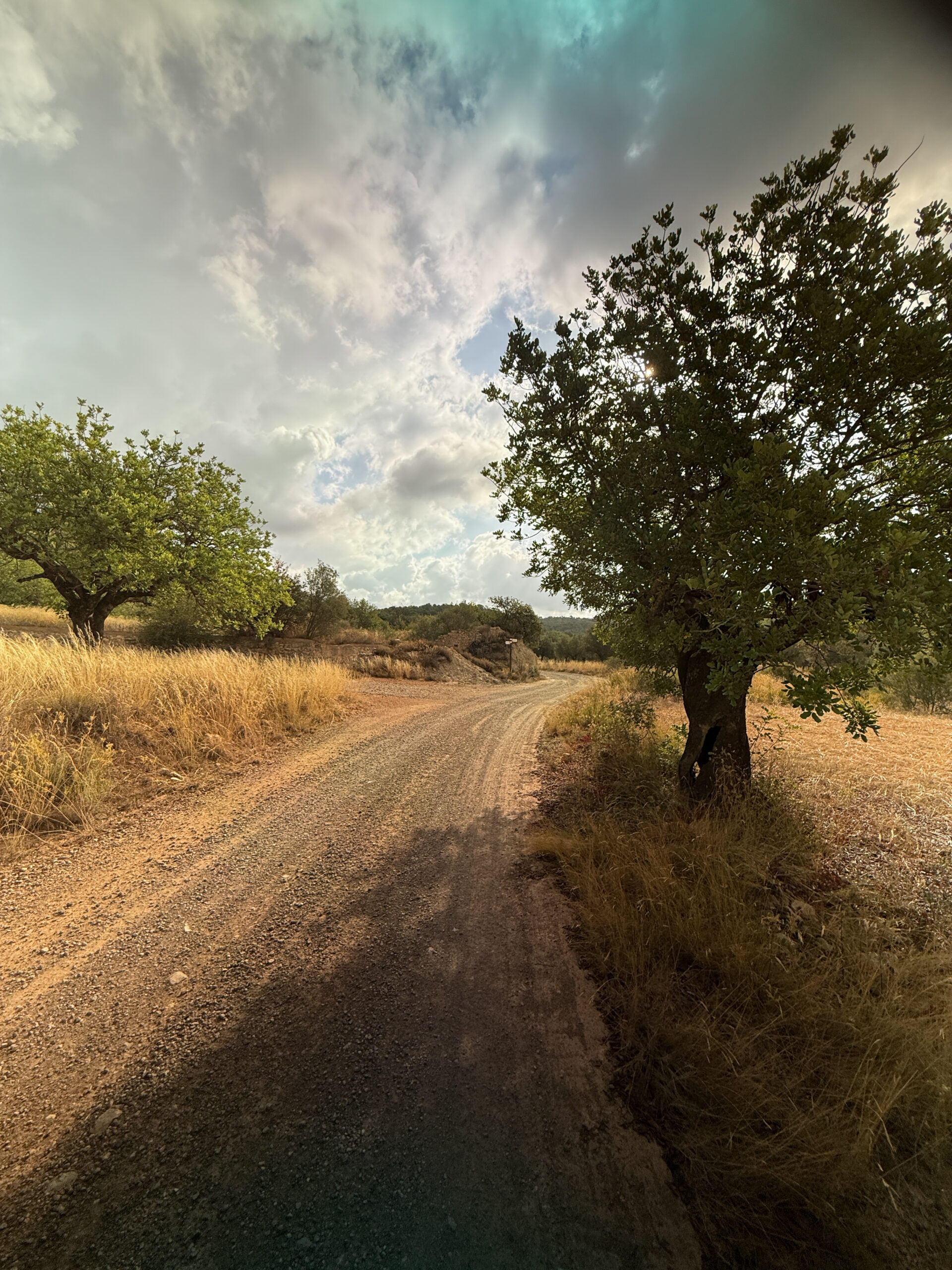
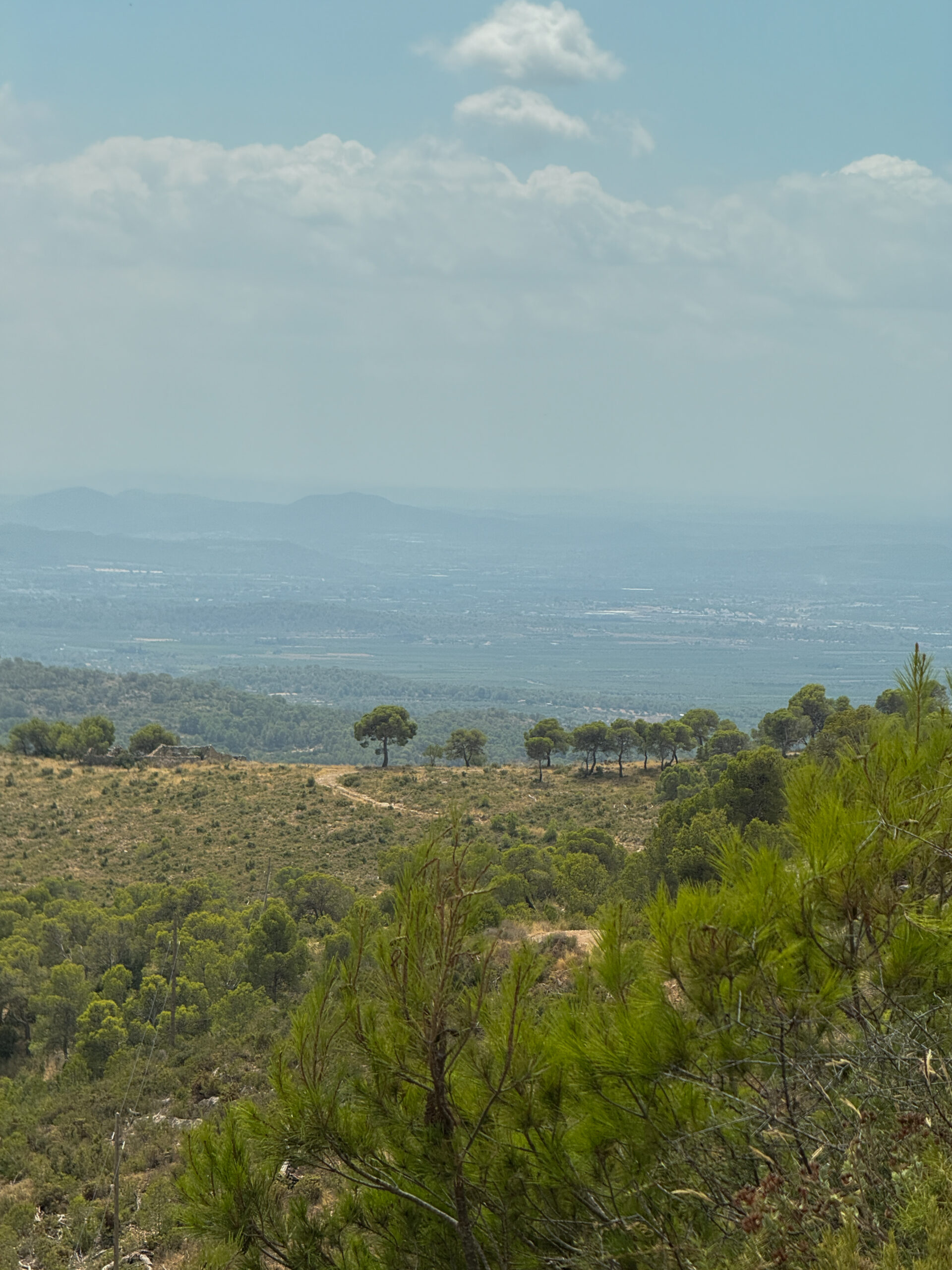
Slowly crawling up the hills, I looked back into the valley where my ride had begun. The air was calm, cicadas chirped madly, the sun broke through loose clouds, and I was feeling good ……… I was feeling ……… I was ………………………………………………………………………… I was prepared to get lost. To forget time, forget routine, and just be in the moment. Cycling is therapeutic – especially in landscapes as rough and barren as these. It reminded me of, what used to call "home", of Israel: stony, barren hills scattered with olive trees, pines, thyme, rosemary, lavender, and thistles. I felt at home. I felt secure. I felt good.
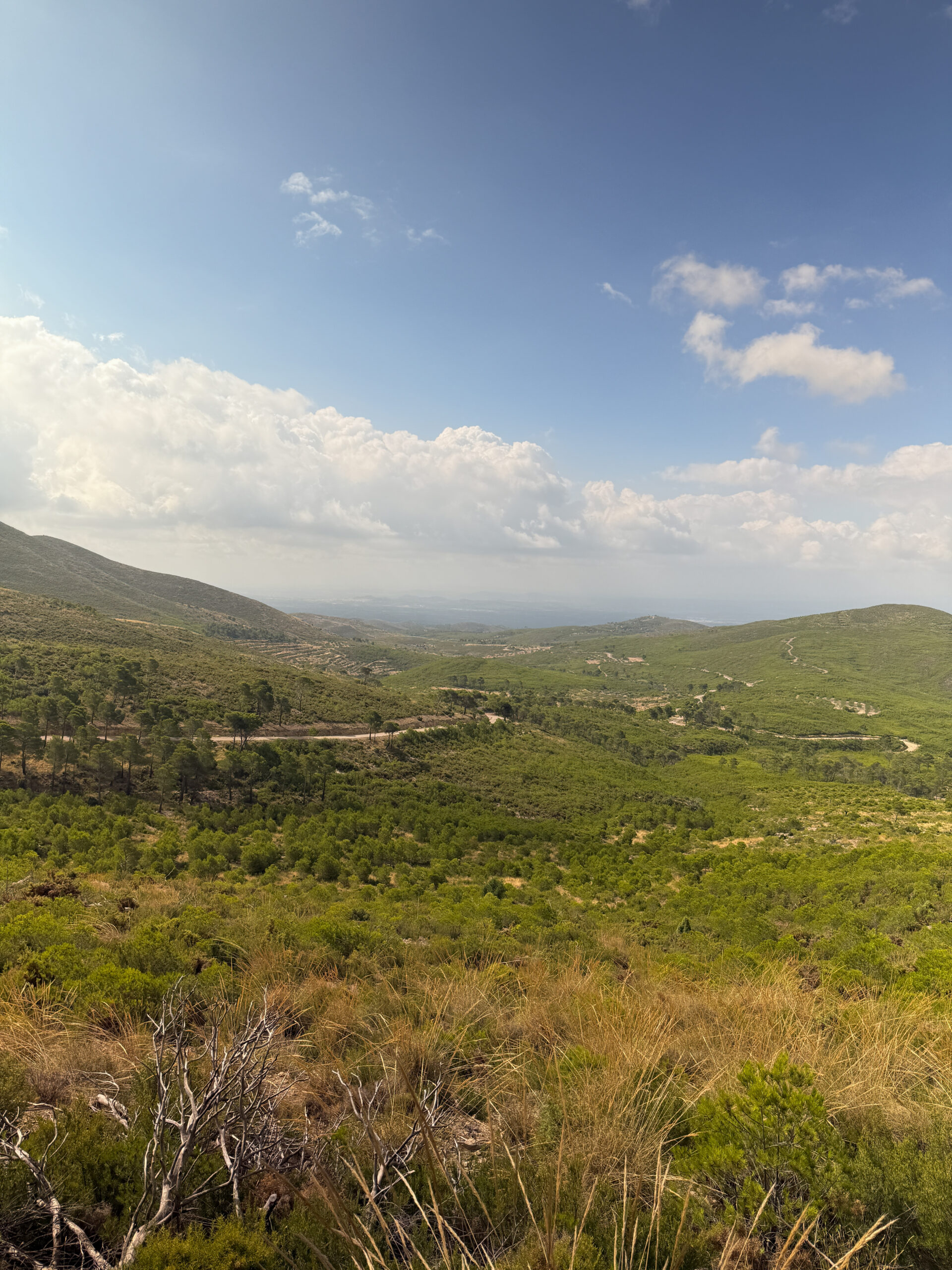
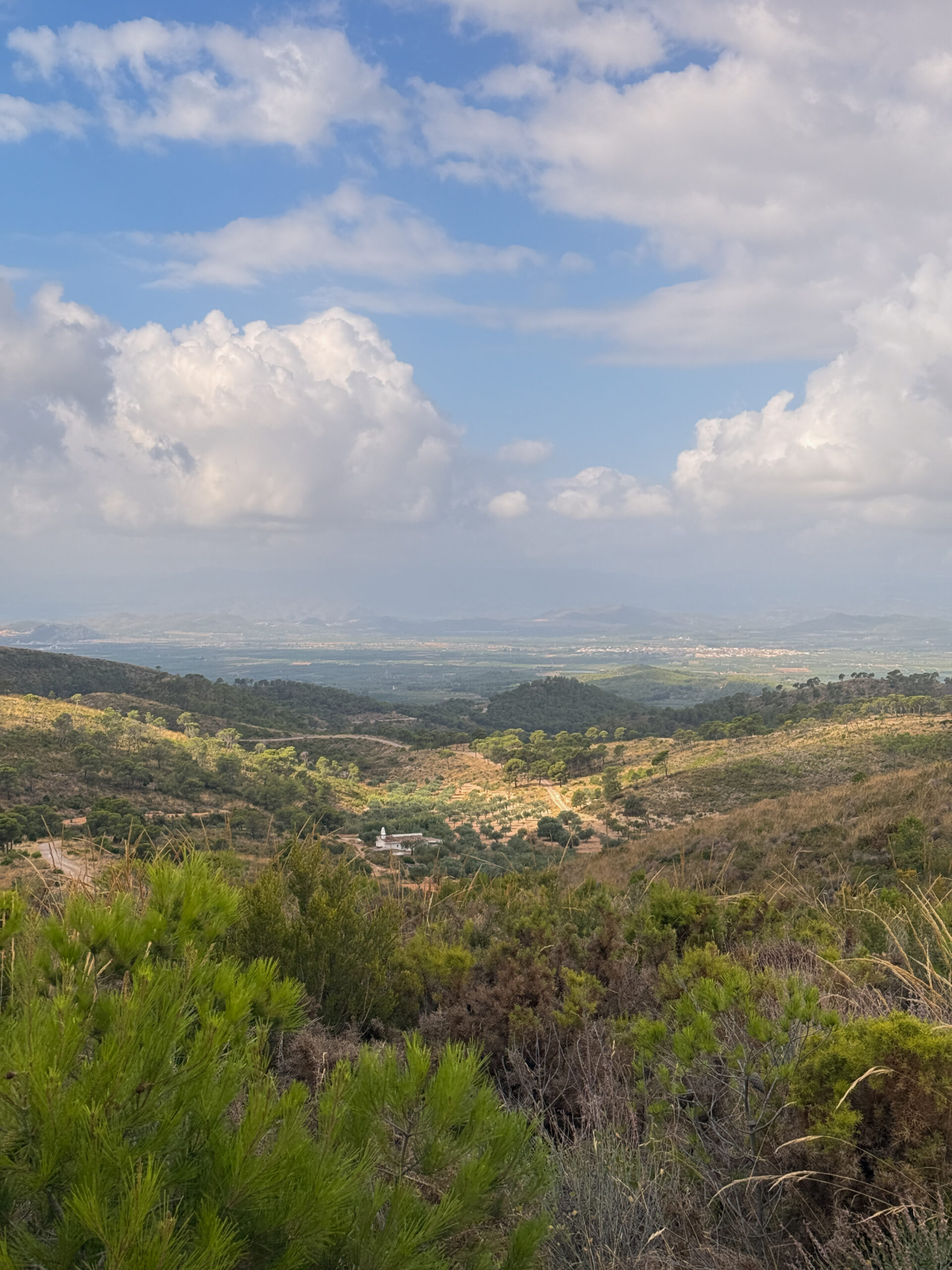
Shortly before Alcublas, I passed the Molinos de Alcublas – windmills from the 17th century perched on a hill above the village. I didn’t ride up because of my back, but I could see them from the path winding toward Alcublas. From there, I rolled down into the bustling little village, where I devoured two Cokes, a bocadillo, and a coffee before hopping back on the bike.
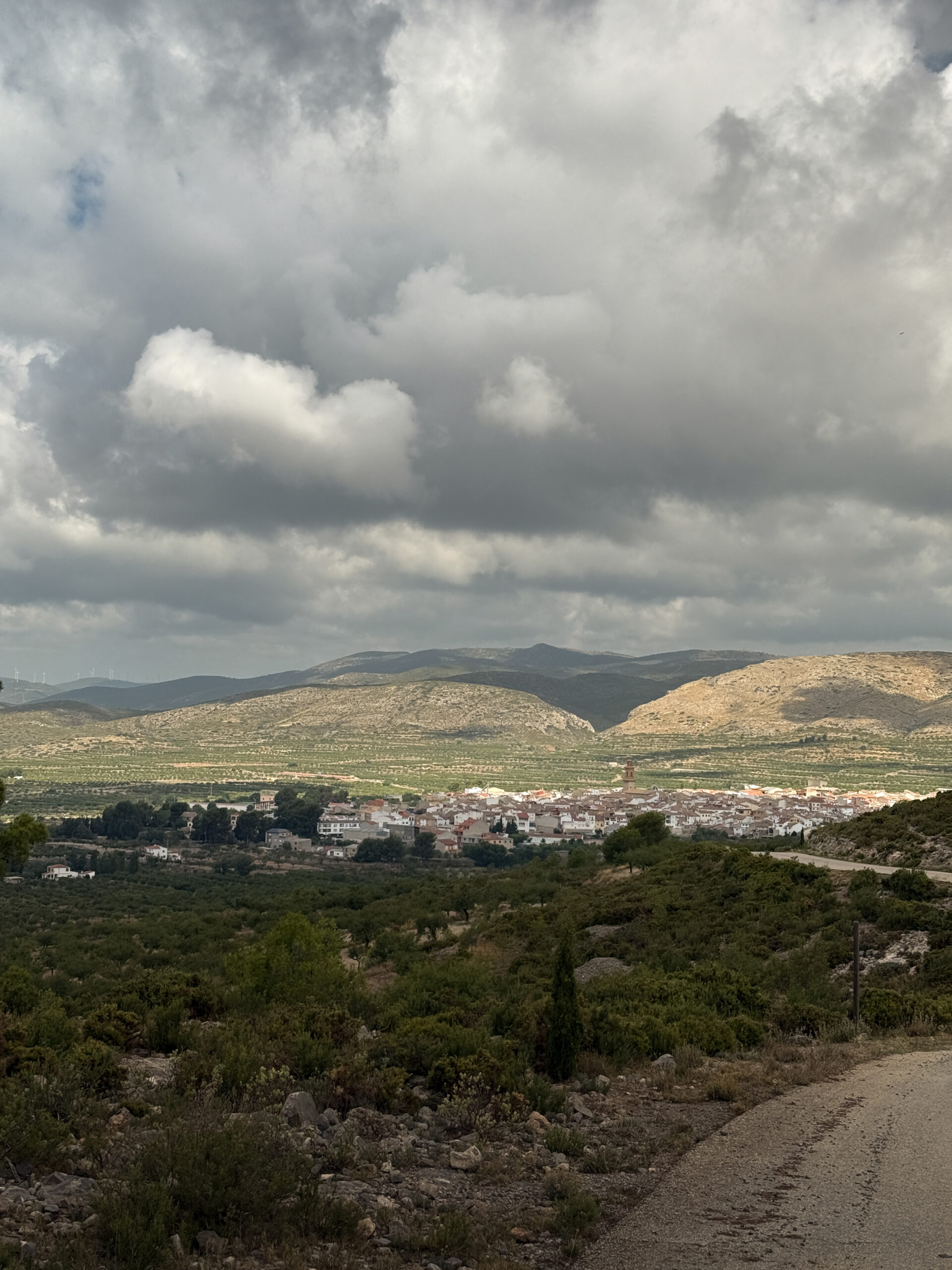
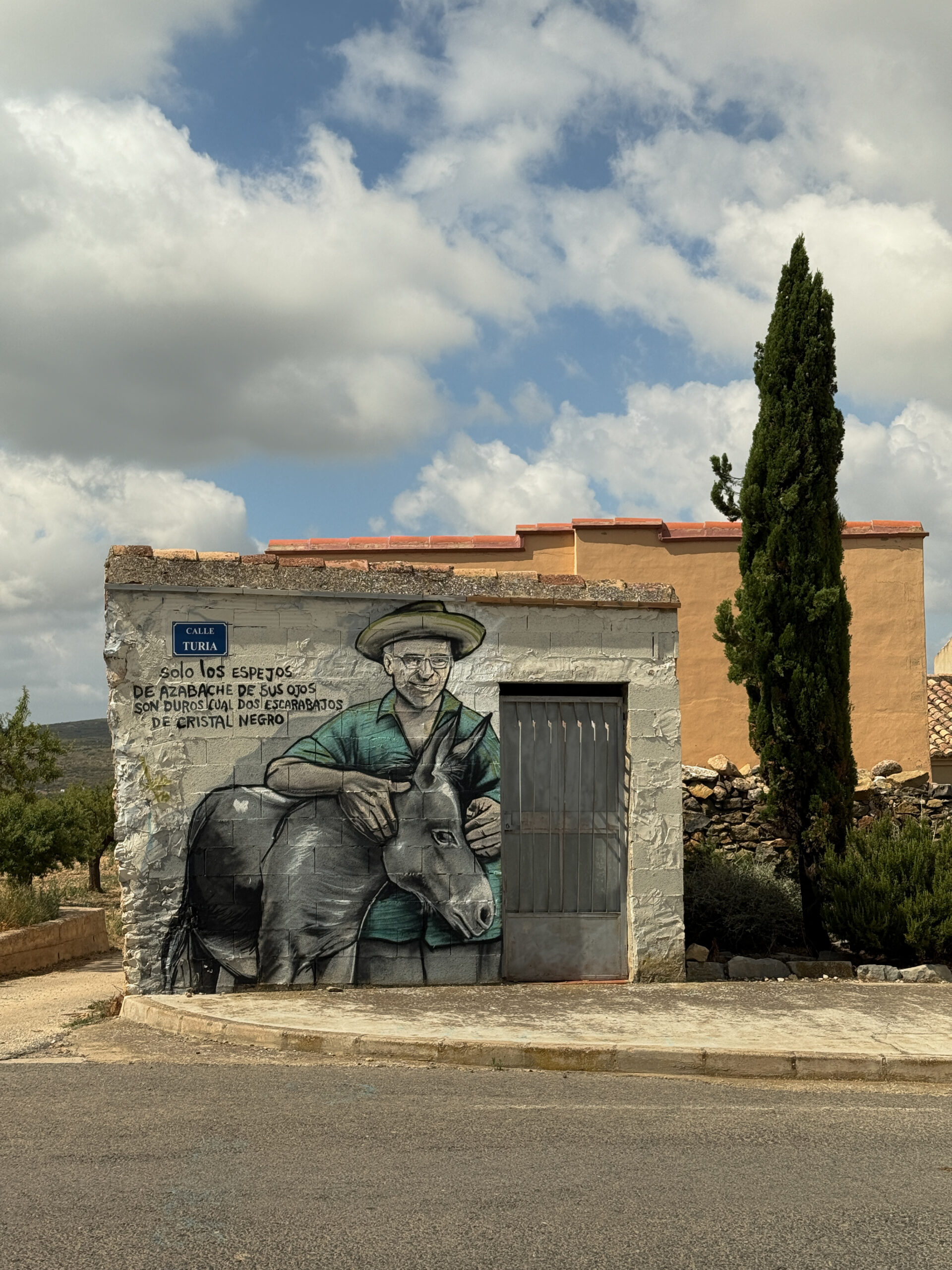
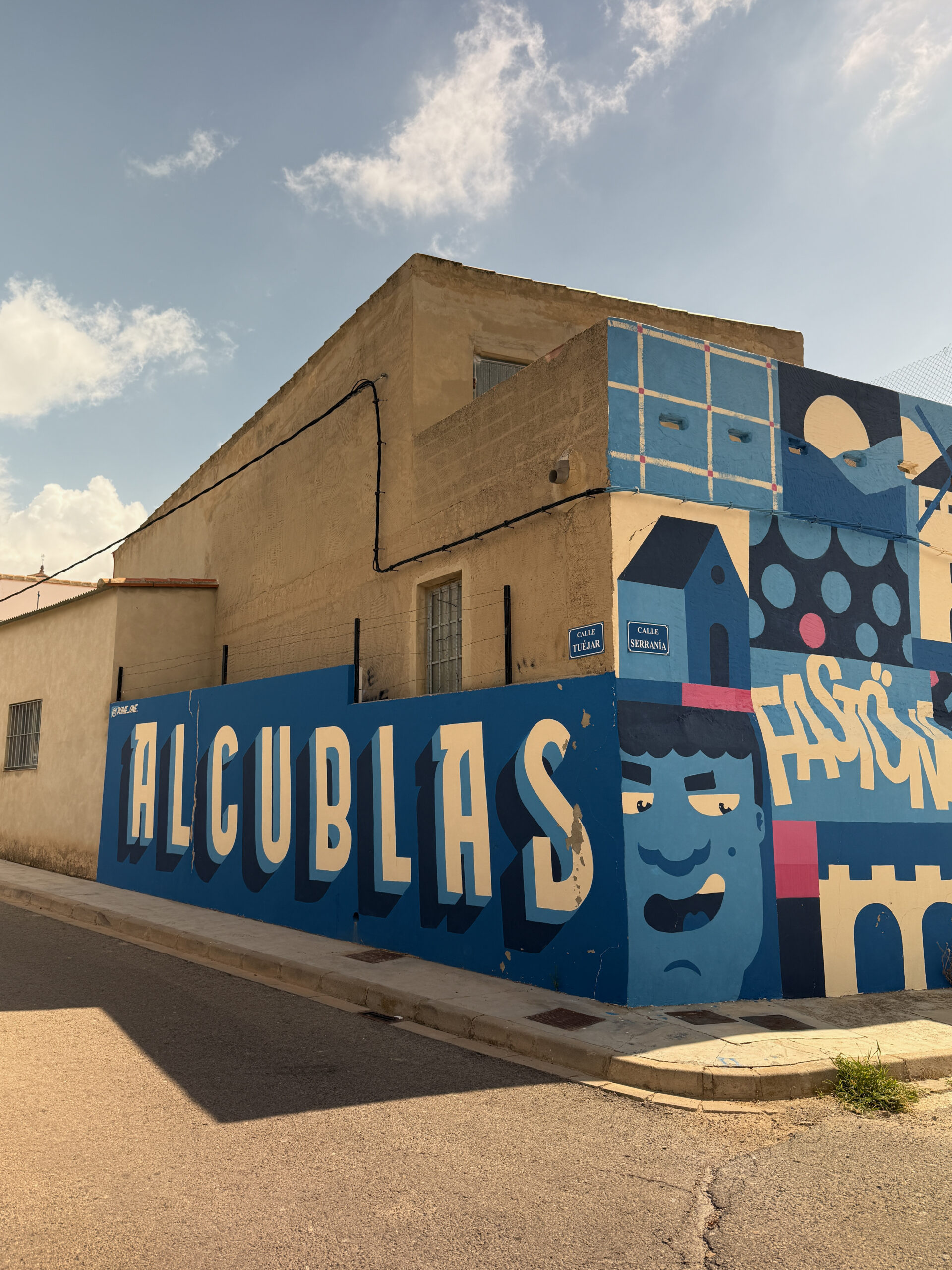
Leaving the village, I followed the main road for a few kilometers before turning onto perfect gravel. Over a small hill, the view opened into the valley again – stunning. Silence reigned, broken only by a soft breeze rattling dry branches. The path dipped gently across the hills, changing surface every few kilometers: rough rock, then small pebbles, then the occasional stretch of champagne gravel – fine, grainy, perfectly packed. Fabulous.
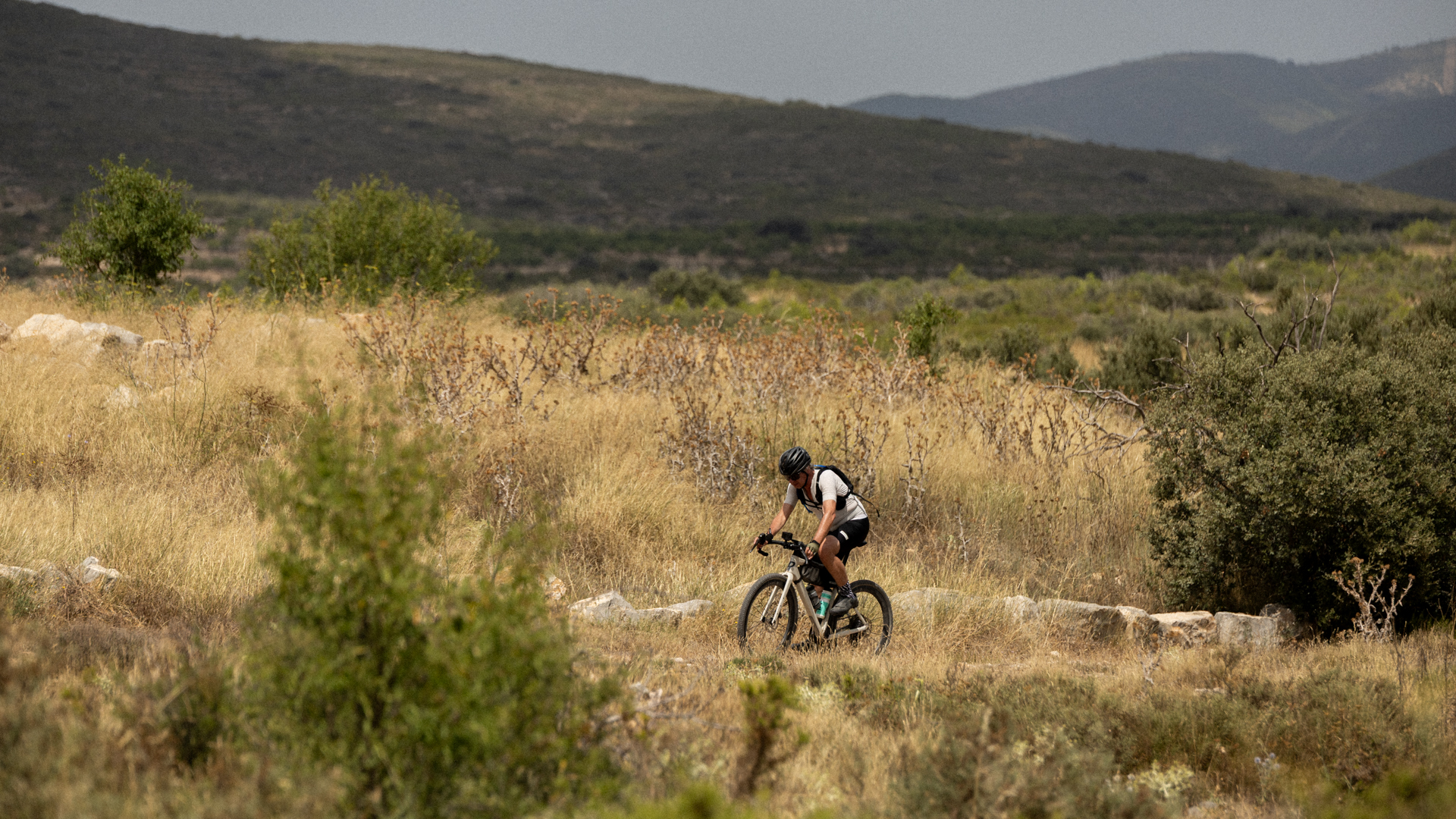
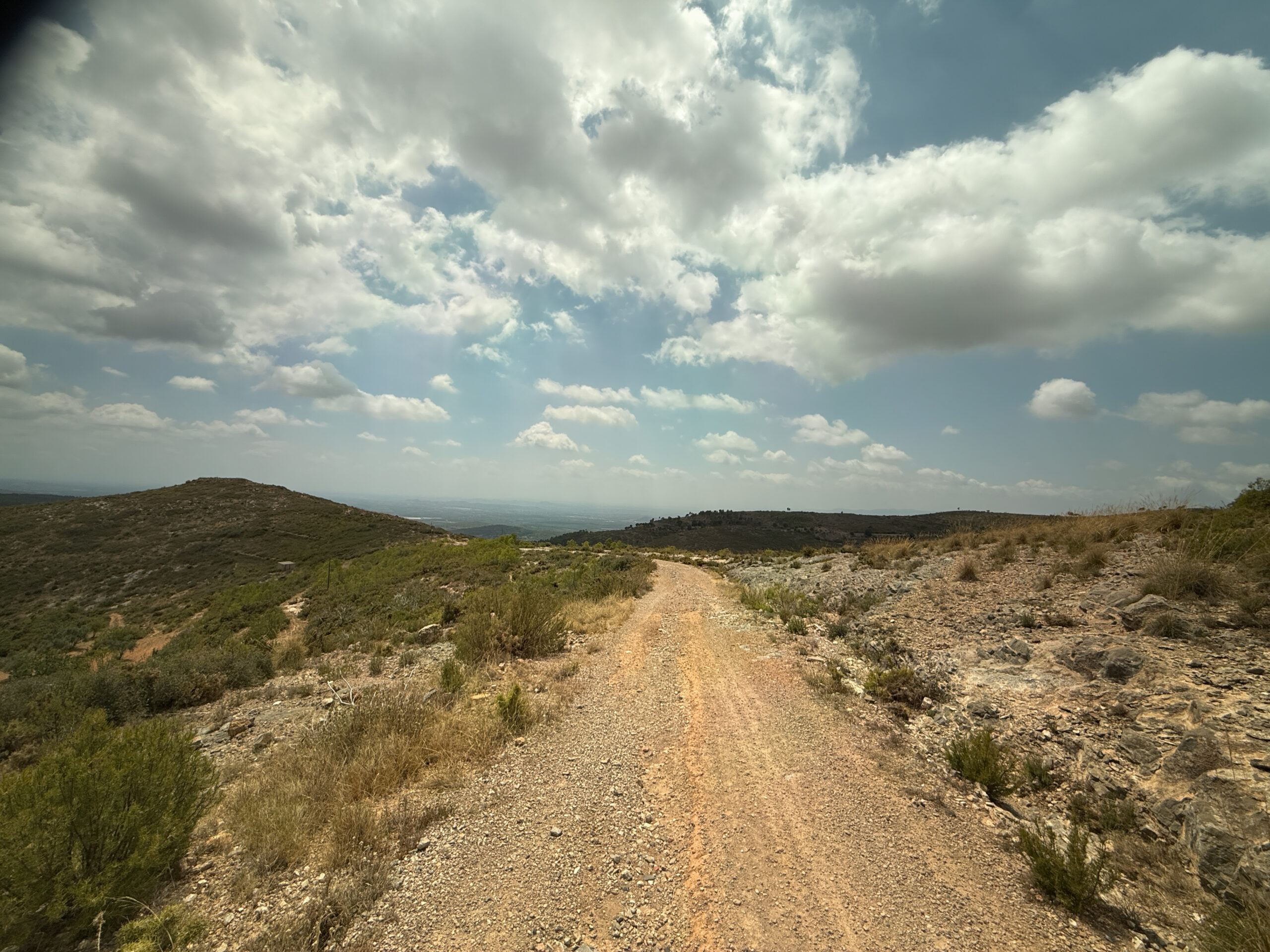
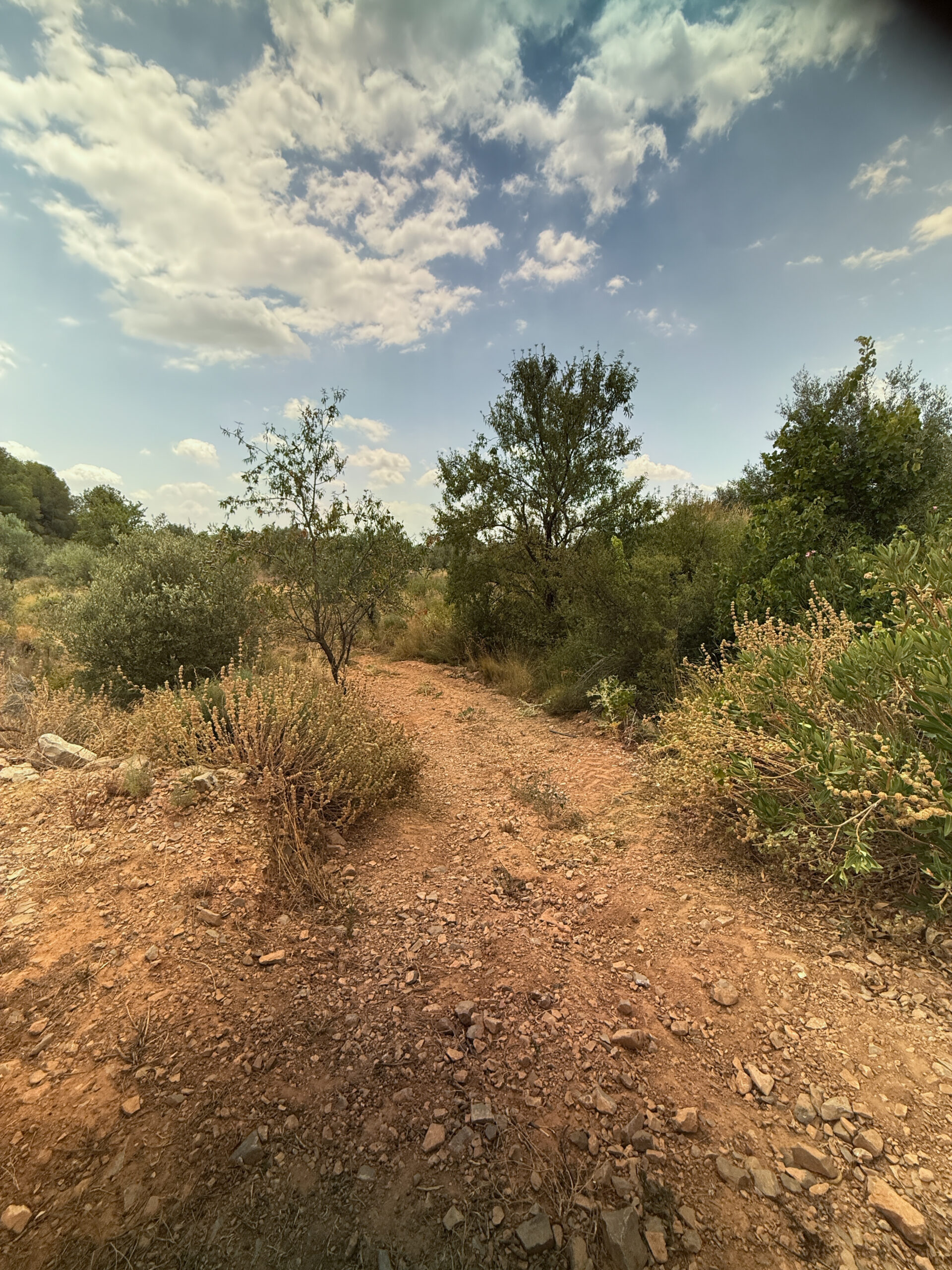
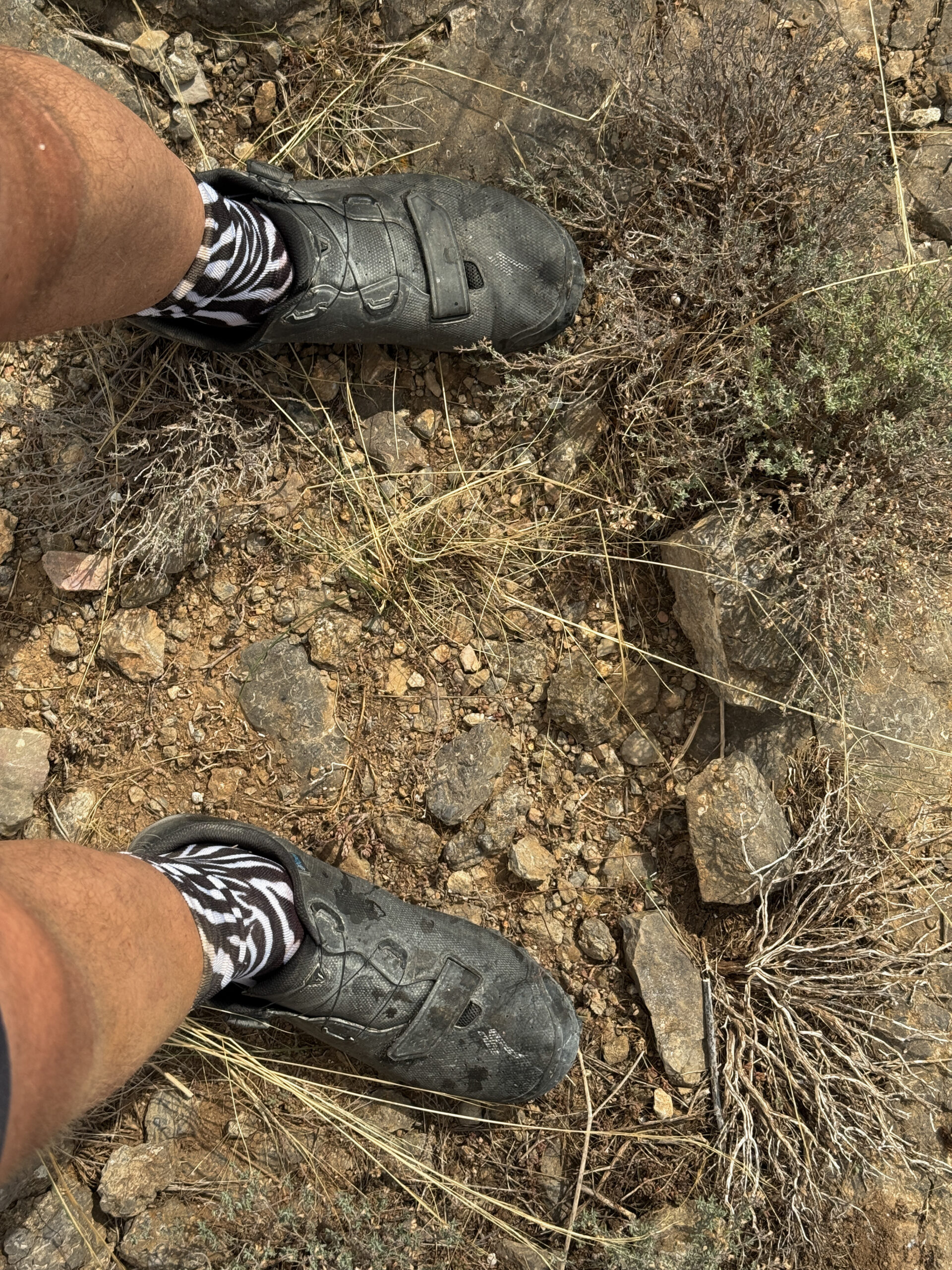
My Komoot route led me into the bush. At times I had to walk, push the bike through dense shrubs, and trust my Wahoo because the path had vanished. My legs were scratched, but miraculously, my tires survived without a puncture. Eventually I reached a rideable trail again.
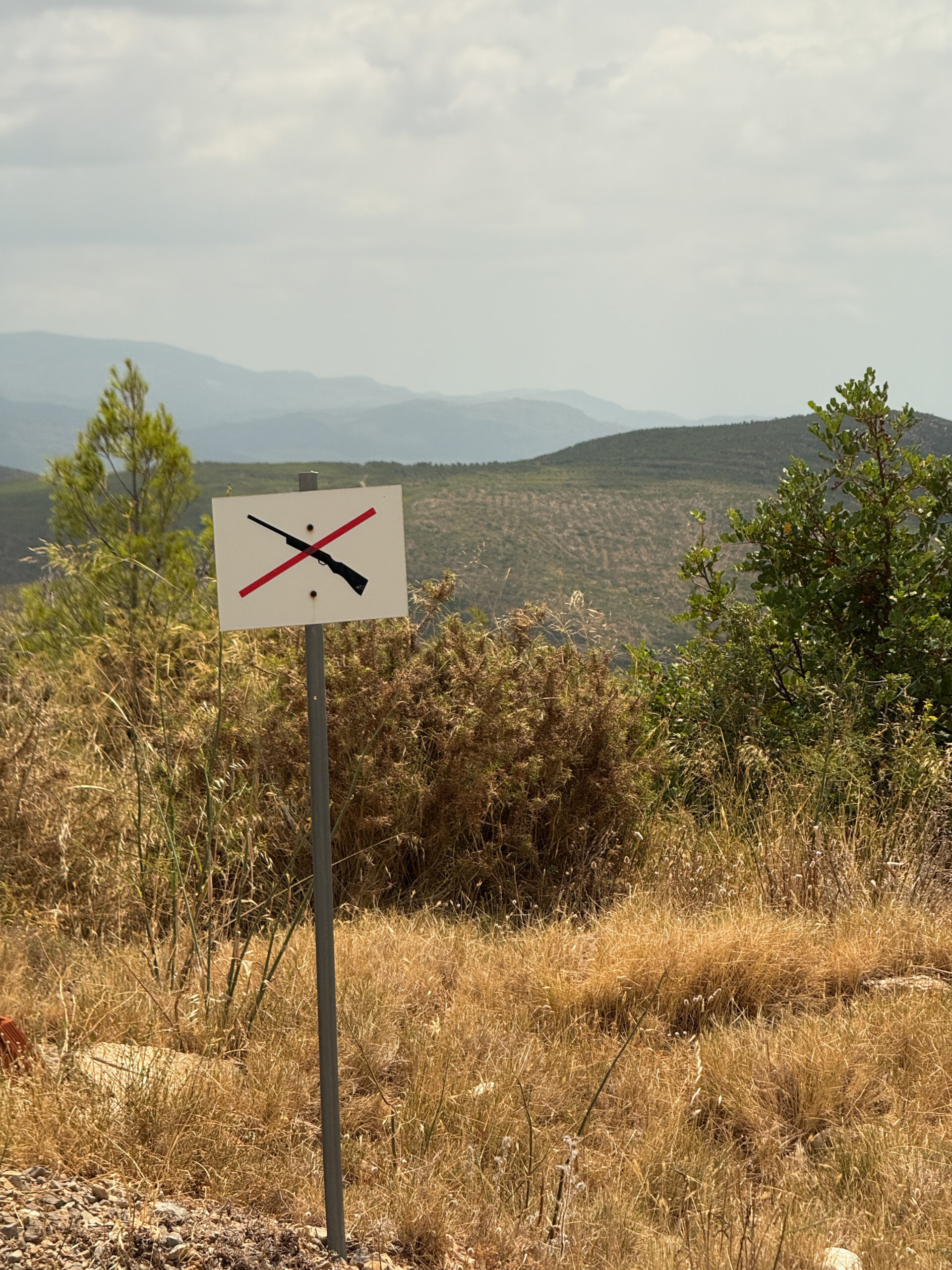
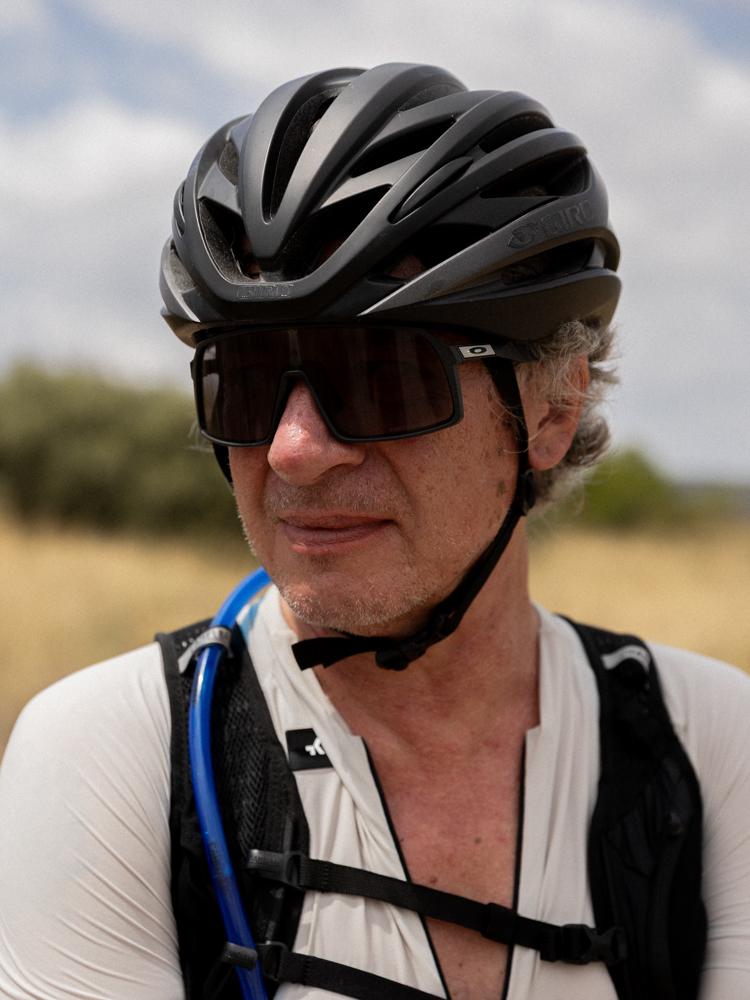
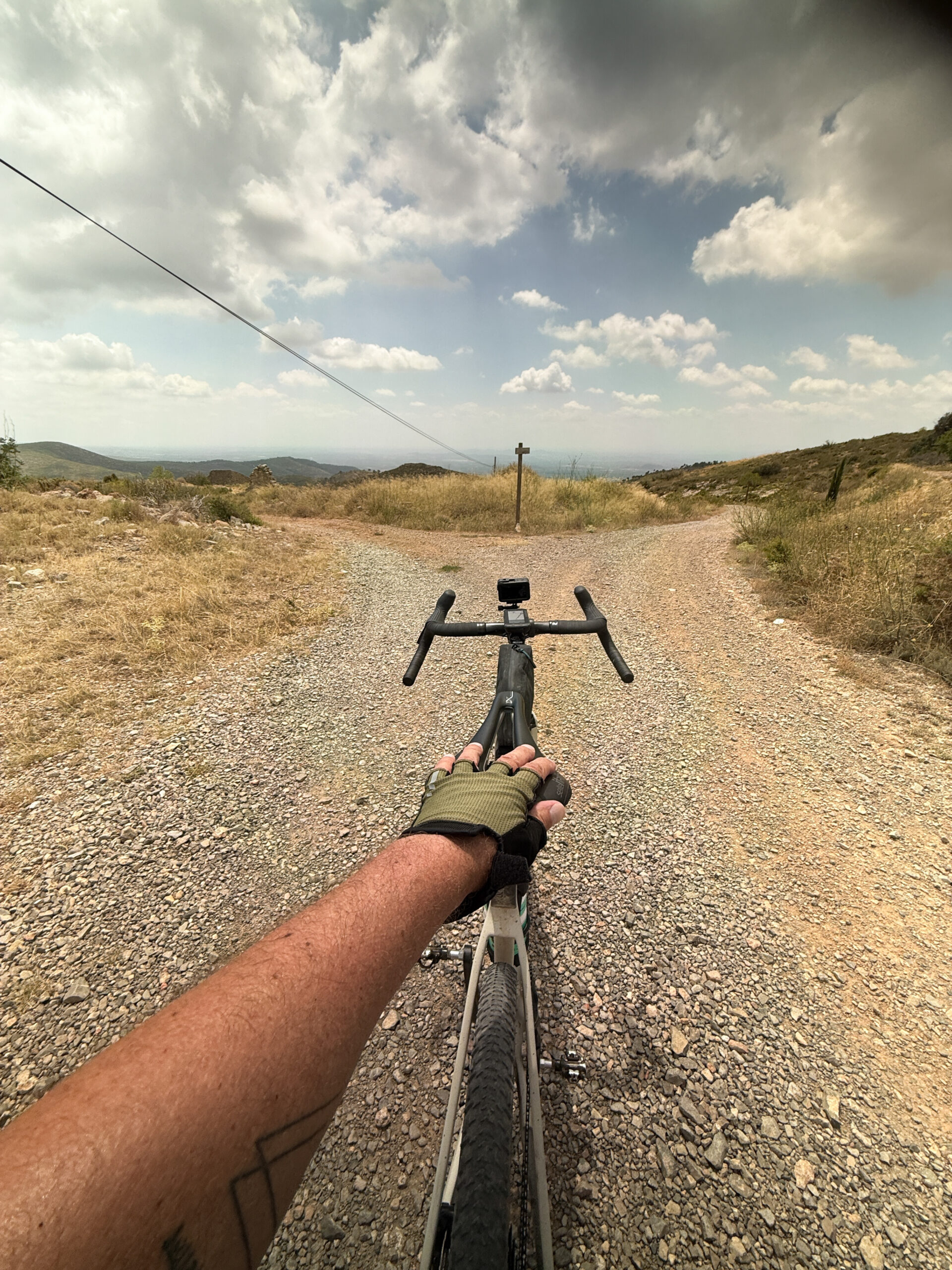
I didn’t want this little journey to end. It felt like preparation for Badlands, the ultra-distance race I had planned in two months. Unfortunately, I had to postpone that adventure – but that’s another story.
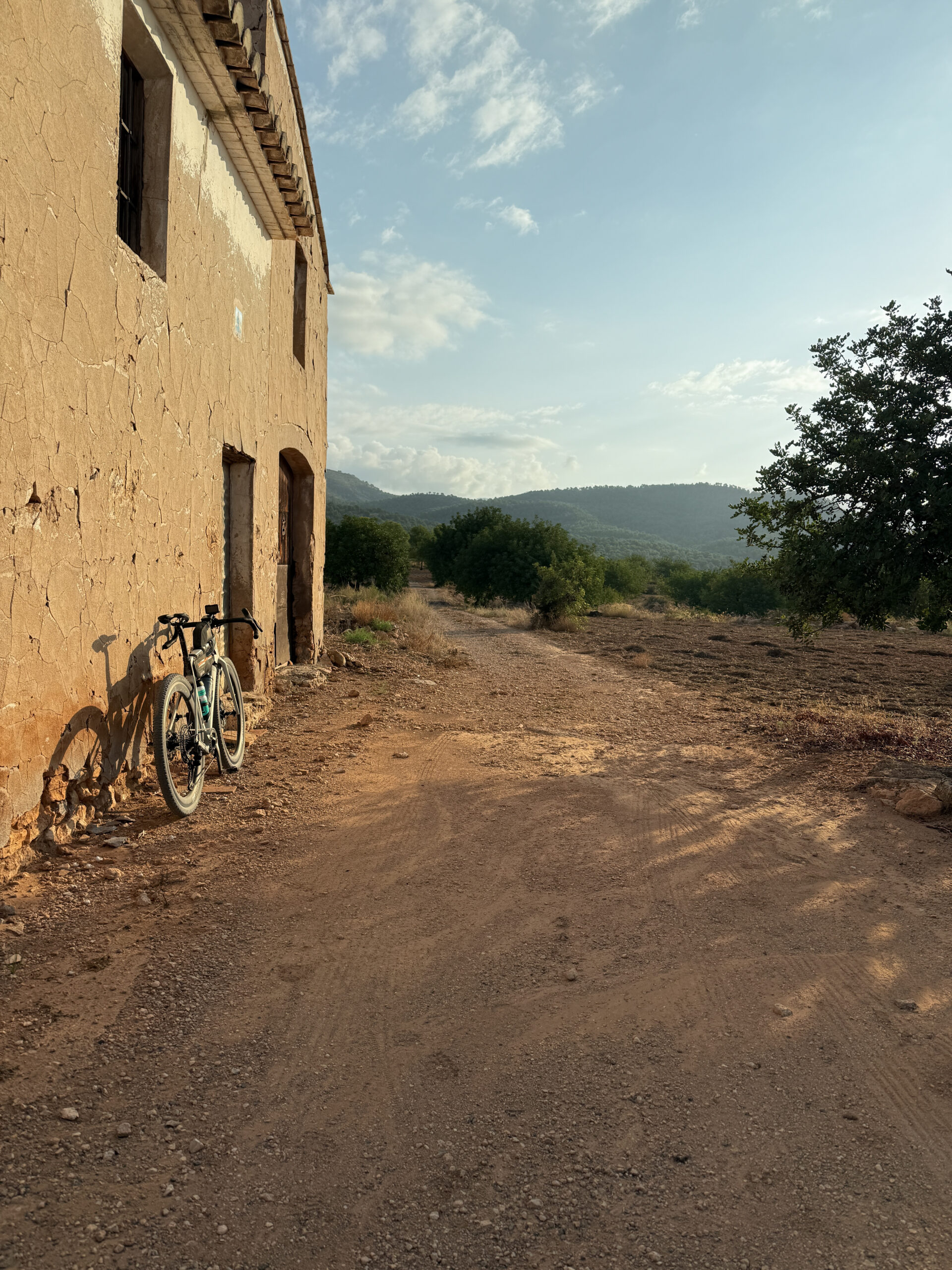
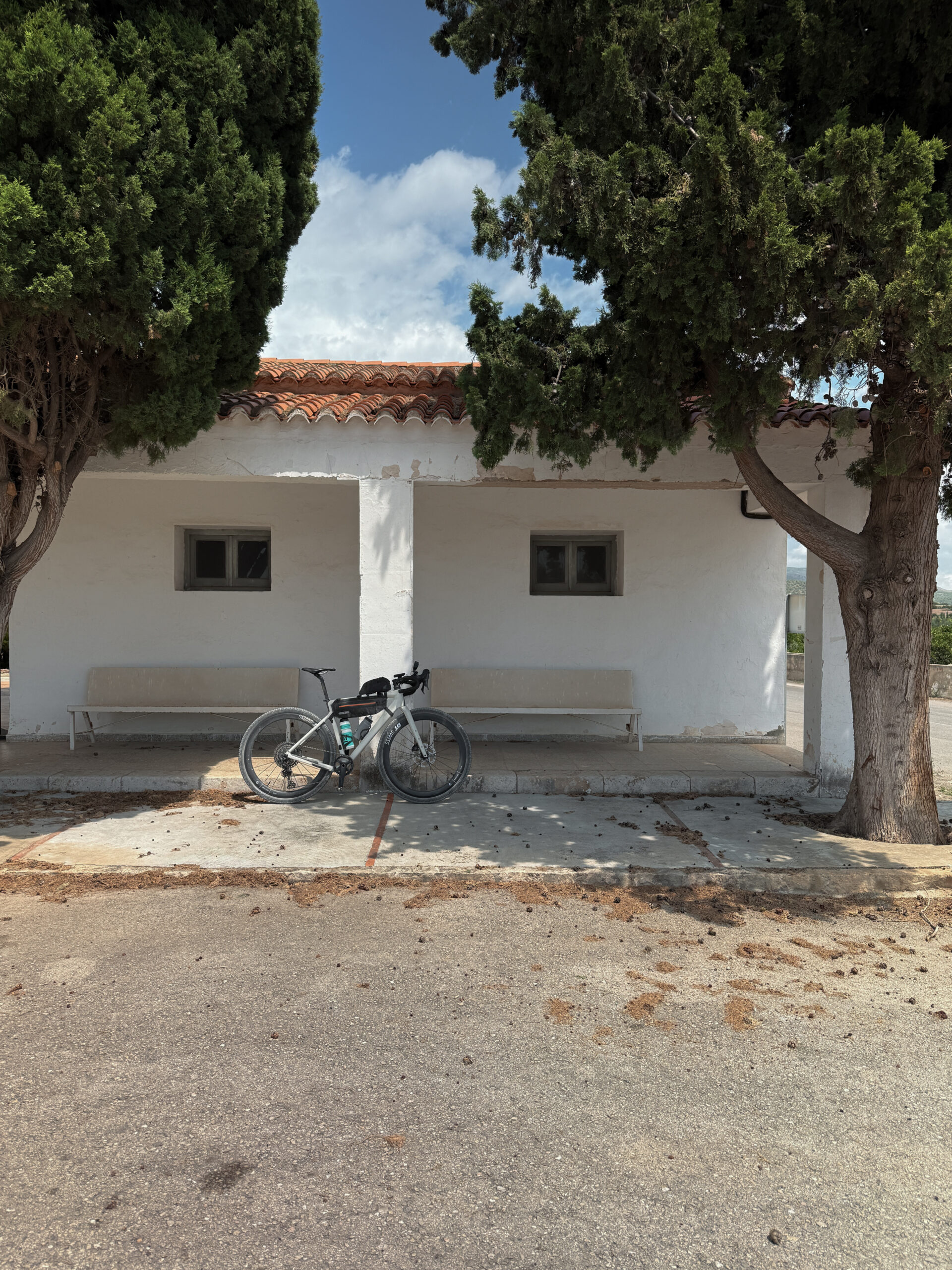
After reaching the flatlands, I followed a dried-up canal and eventually arrived back at the main road and finally at the place I was staying. There I climbed off the saddle, feeling like a cowboy who had just crossed Death Valley. I leaned my stallion against the wall, brushed the dust from my chest, and wobbled into the house – bent like an old man.
fin.
Michael Philipp beobachtet.
©2025-2030