21. August 2025
Hiding in Namibia
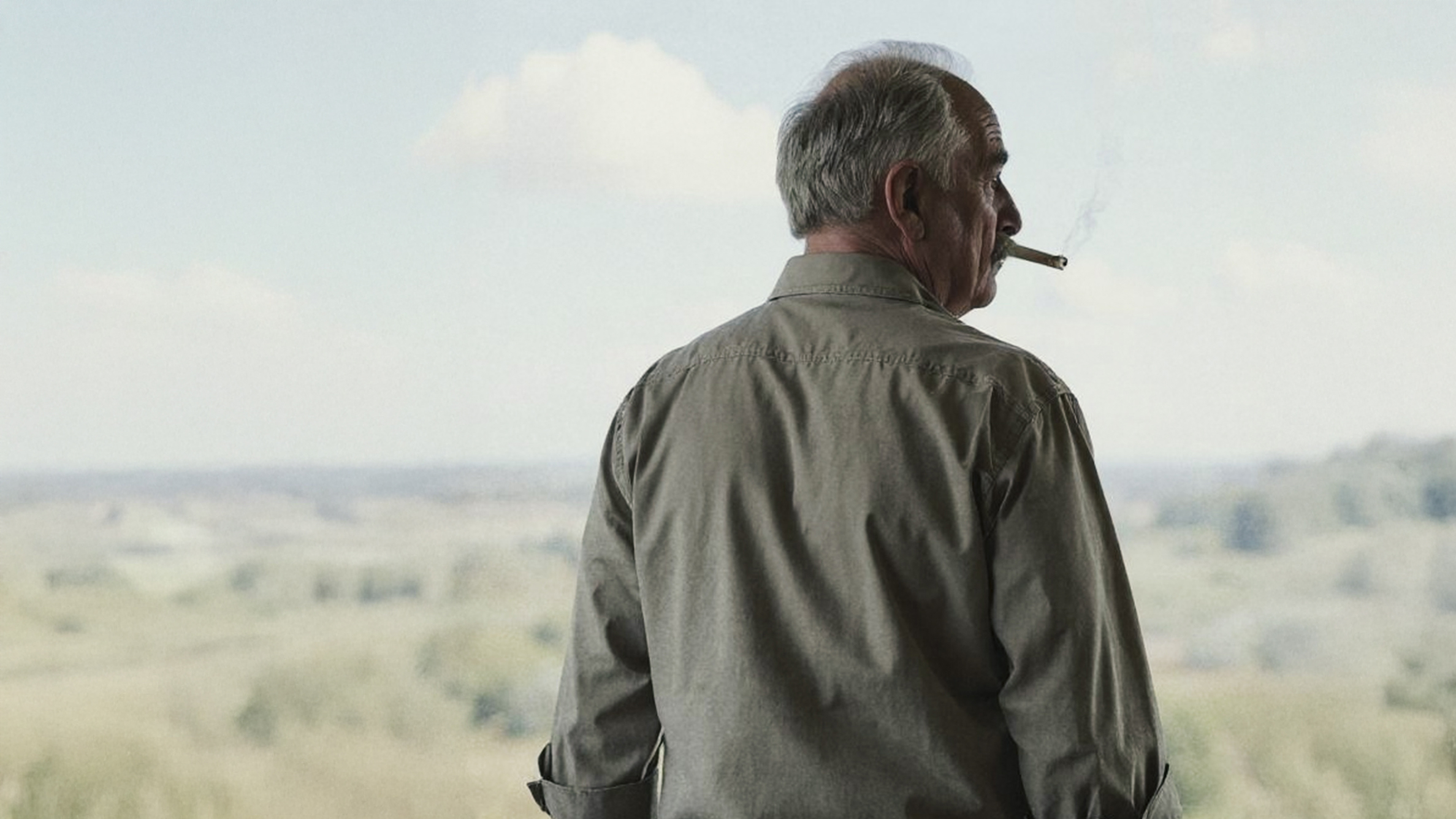
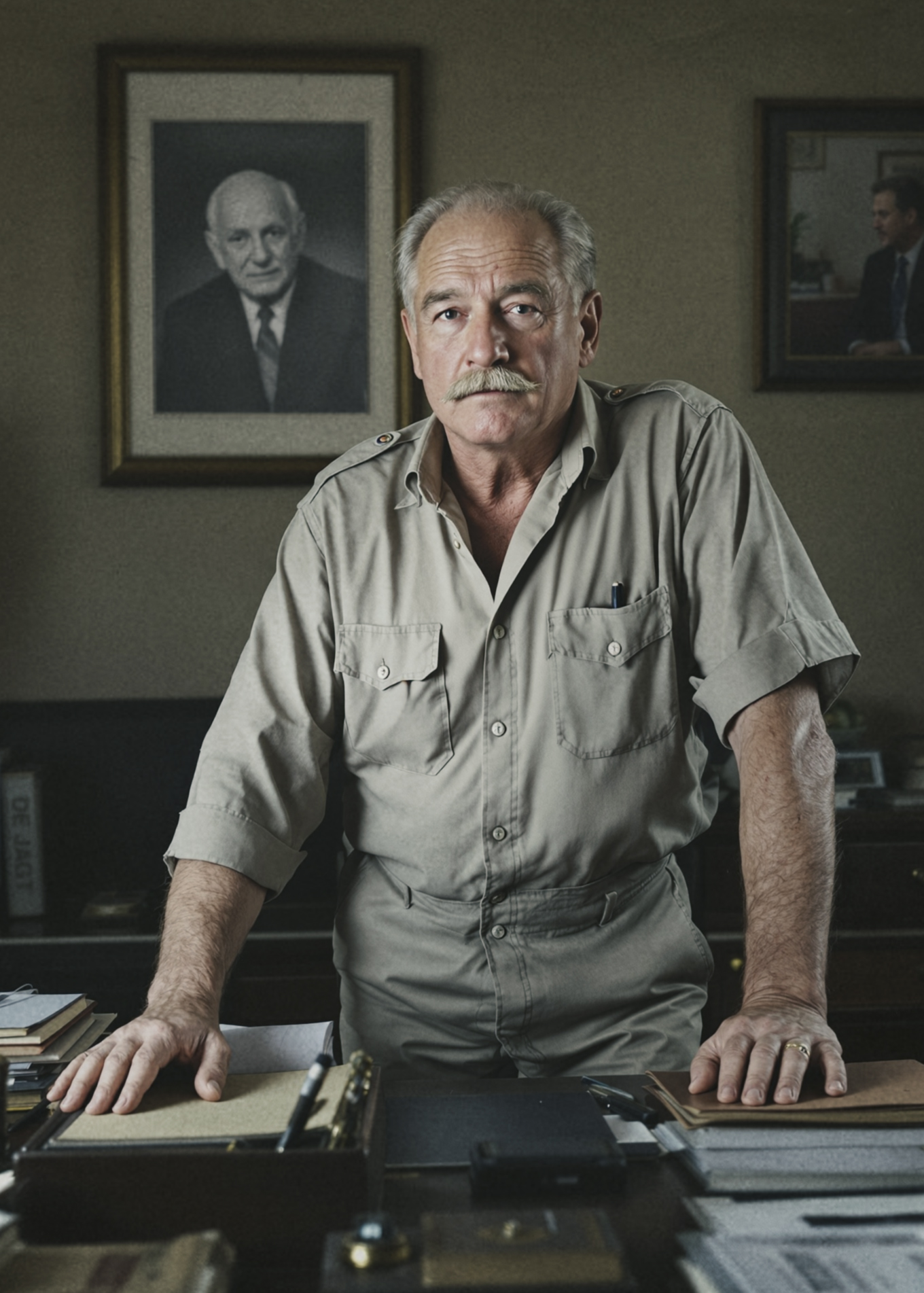
I had the opportunity to meet Mr. Aiden du Toit at his lodge on the Cubango River in northern Namibia.
Originally from Klerksdorp, South Africa, Mr. Aiden du Toit left the country before facing prosecution for his alleged involvement in the murder of two men – whom he described as thieves who had broken into his home – as well as for his role in efforts to establish a national state for white Afrikaners. For the past 13 years, he has been living out of a suitcase somewhere in Southern Africa and has only recently found a place where he feels safe. Nevertheless, he continues to pursue his dream of a national state exclusively for Afrikaners in parts of South Africa. We had long conversations, but I must admit that, given my own perspective – and having lived in South Africa as a child during Apartheid – it was difficult for me to share or understand his vision.
Oh, by the way … this story is fake – as are the ‘photos,’ if you’d like to call them that.
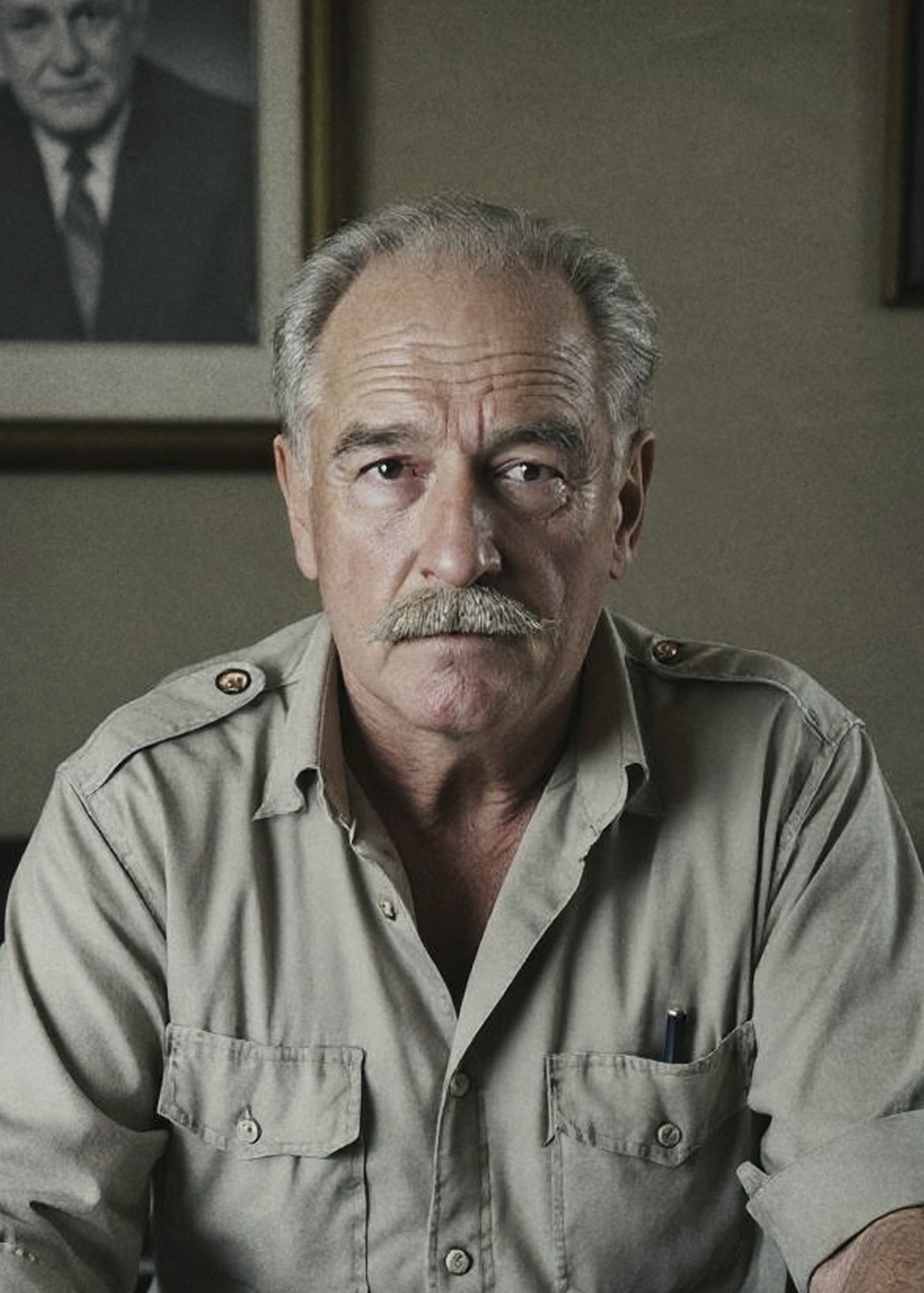
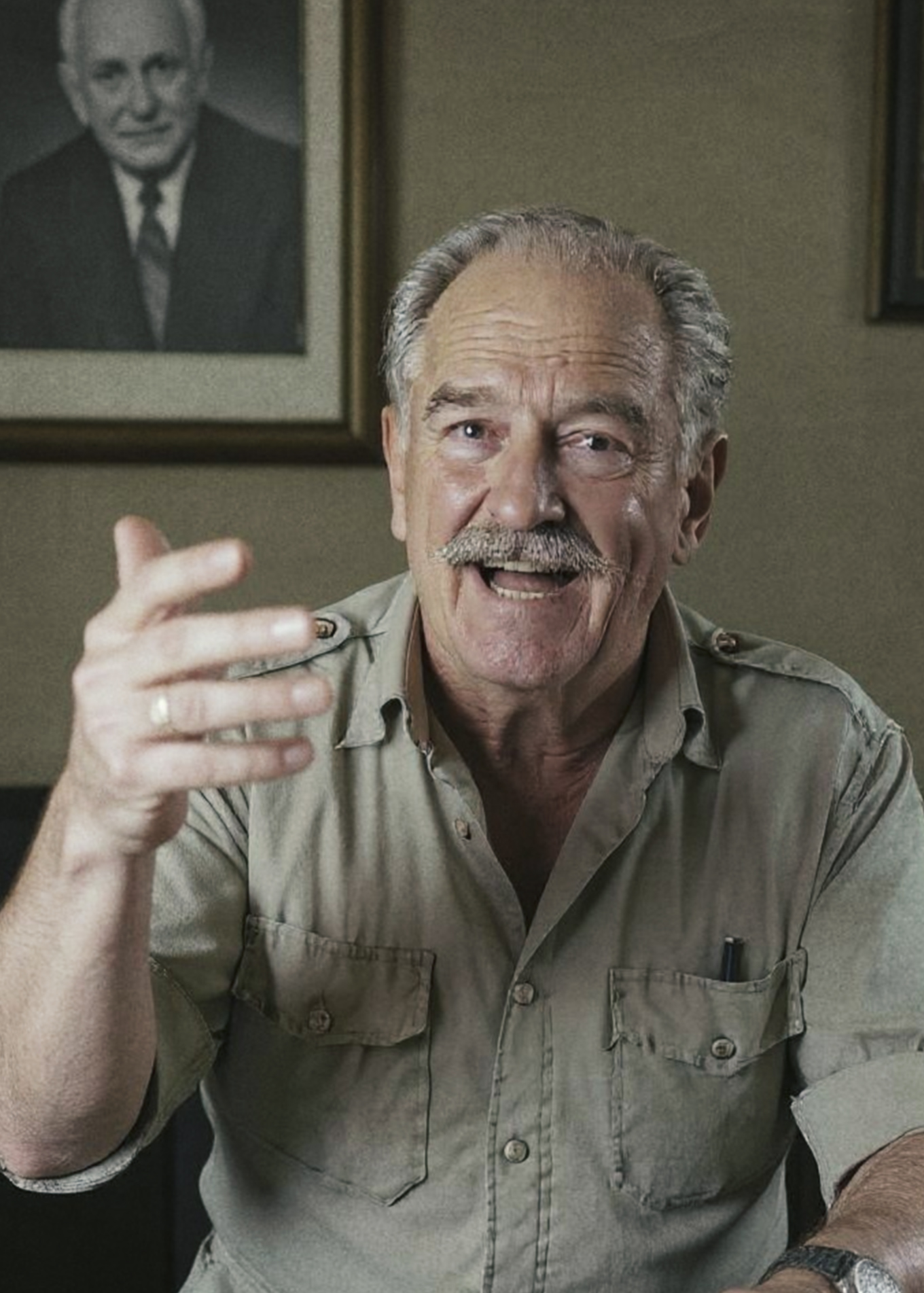
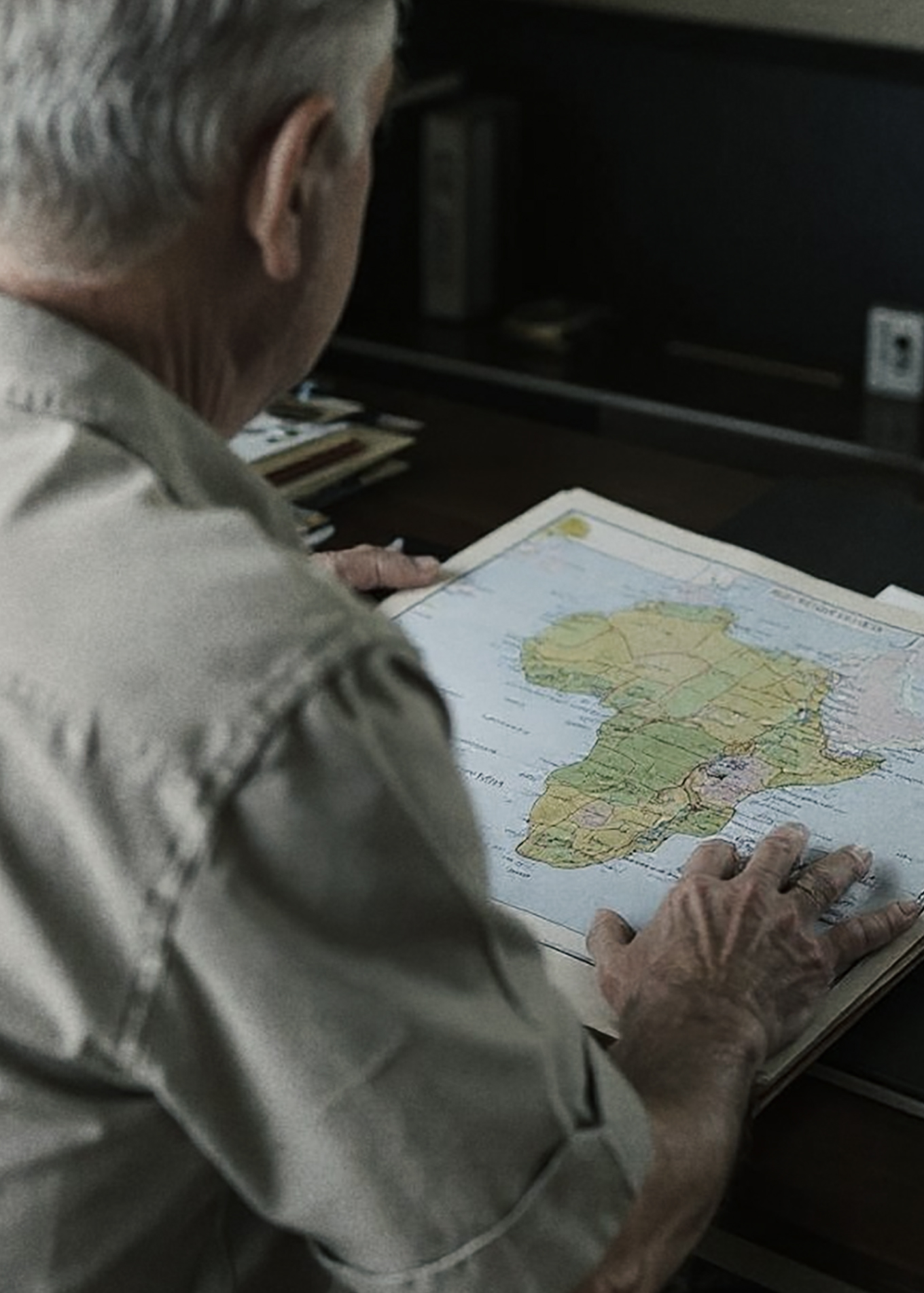
This example shows just how close AI-generated content can come to feeling real. Yet in this case, much of that “reality” exists only in correlation with the story I invented – except, of course, for the fact that I truly did live in South Africa during Apartheid. Otherwise, they would only be images: pictures of an older gentleman with no story attached to his figure. An empty character created through my input into an AI-generating tool. The interesting part is that it’s not only fun, but it also opens up so many possibilities.
We are inundated with images, texts, and films generated by AI.
I don’t believe this development is harmful in itself – at least, not up to a certain point. The concern arises when it begins to distort our perception and our understanding of truth. It becomes dangerous when it is used to deceive, exploit, or cause harm. Risks include creating deepfakes that spread misinformation, generating non-consensual or explicit content, reinforcing social biases, enabling fraud or identity theft, and eroding trust in what we see online. It can also raise ethical issues by copying artists’ styles without permission. In short, the danger lies less in the technology itself and more in its misuse for manipulation, exploitation, or deception.
Nevertheless, it is the input that counts, and we are the creators of this input. It represents an opportunity: it allows me to create images I would never otherwise be able to produce. It helps me bring to life the stories I carry in my mind – stories I would not be able to create because of budget, timing, or simply the limits of imagination.
The source remains my own creativity, without any intent to manipulate – and that, I believe .................................., is how it should be.
end.
Michael Philipp beobachtet.
©2025-2030